Mice Thrive at 22,000 Feet on Frozen Andes Volcanoes
Scientists discovered mice living higher than any mammal ever recorded, surviving on frozen volcano peaks where humans can't stay alive. These tiny survivors evolved remarkable adaptations to thrive where life seemed impossible.
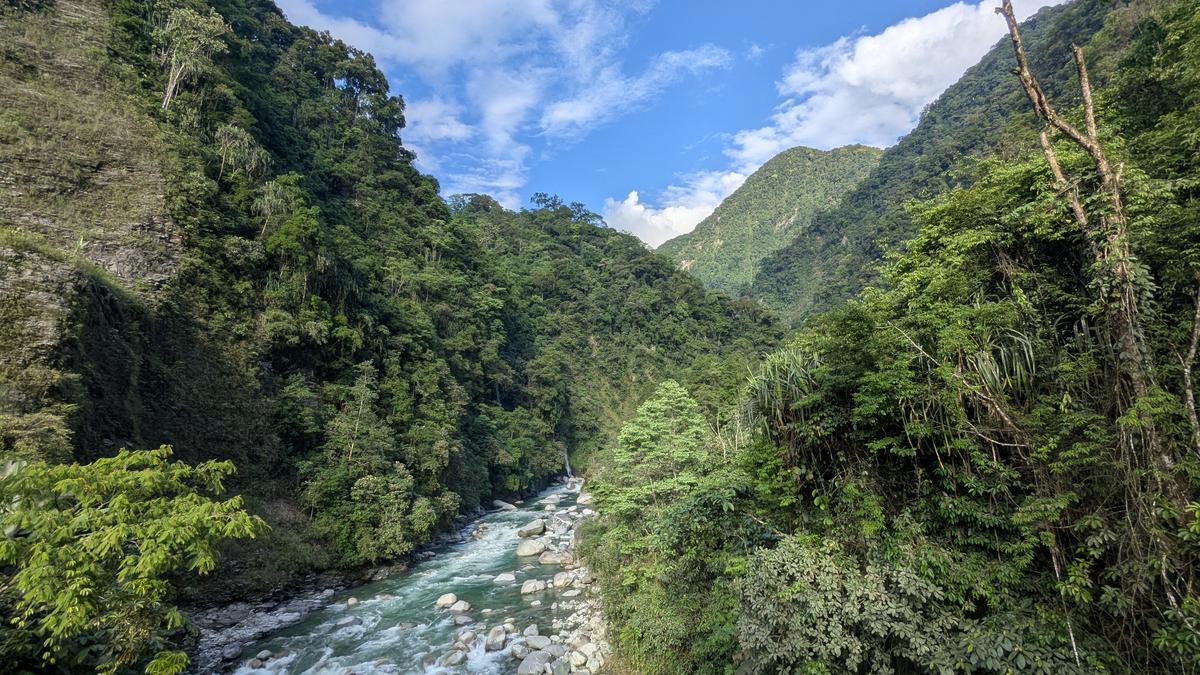
Tiny mice are surviving in one of Earth's most extreme environments, more than a mile above the highest human settlement on frozen Andes volcano peaks.
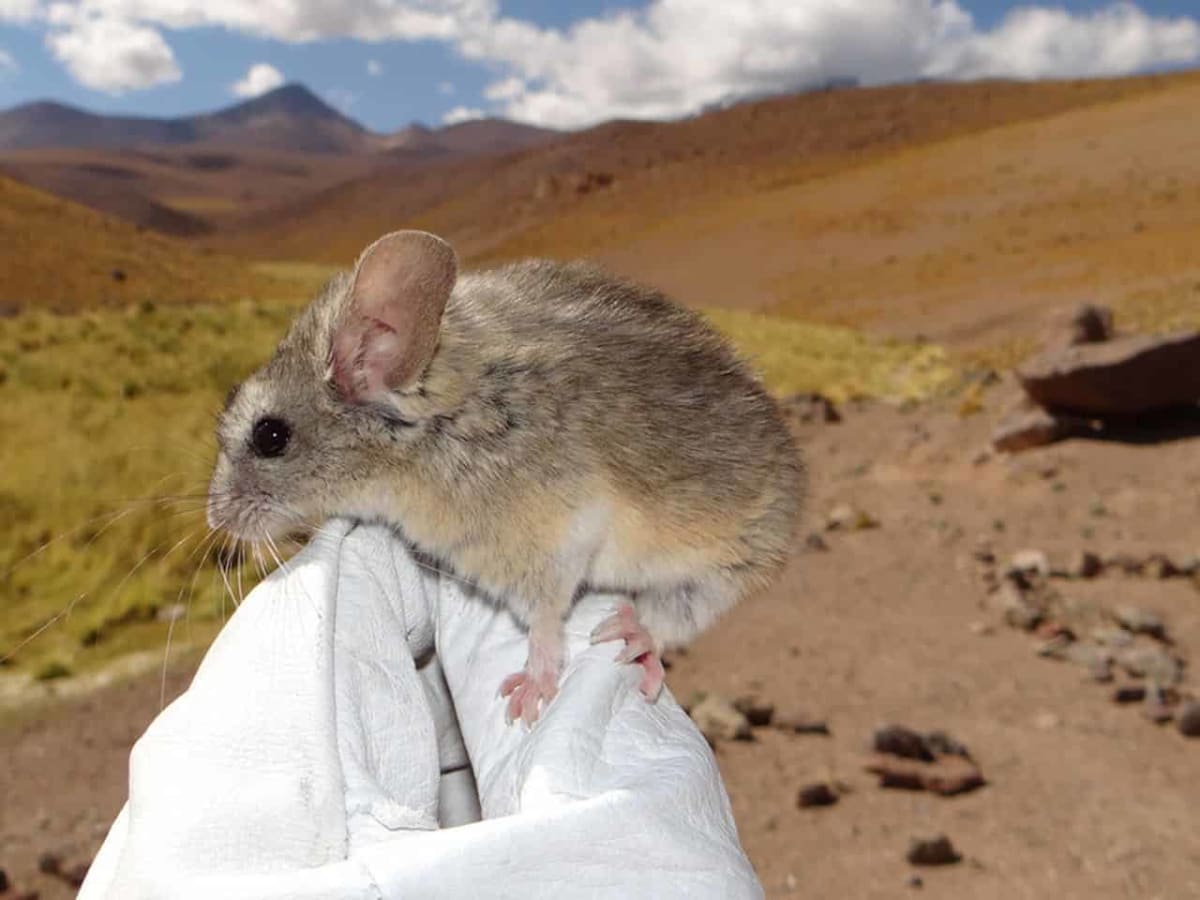
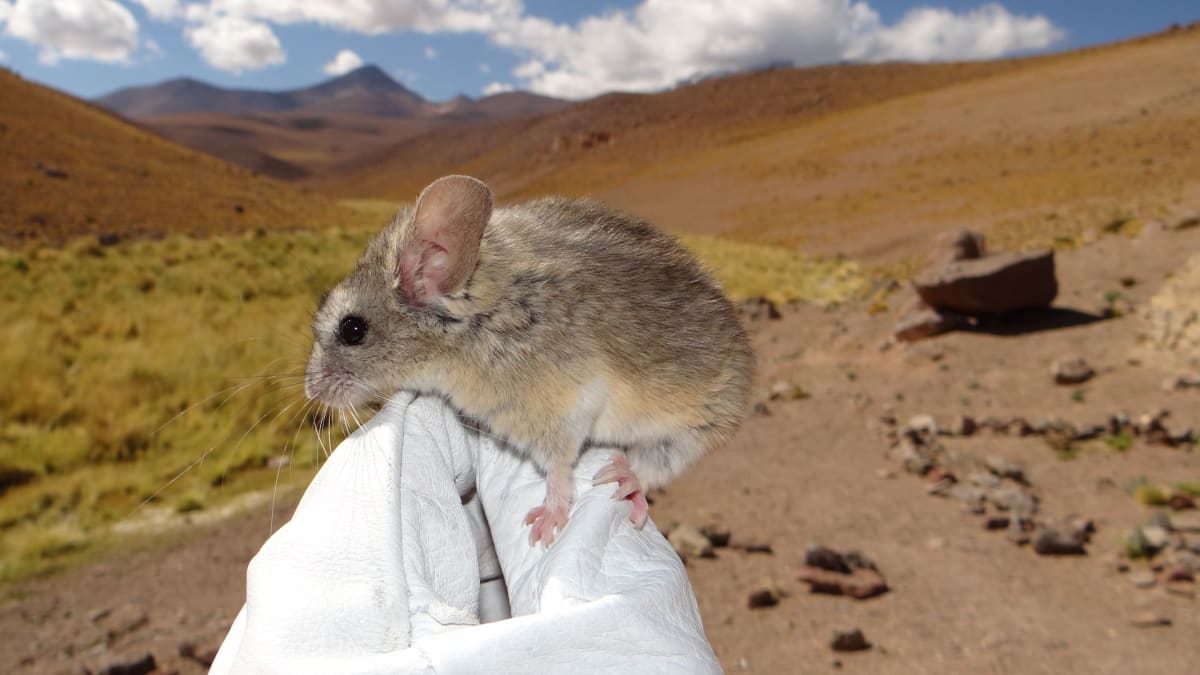
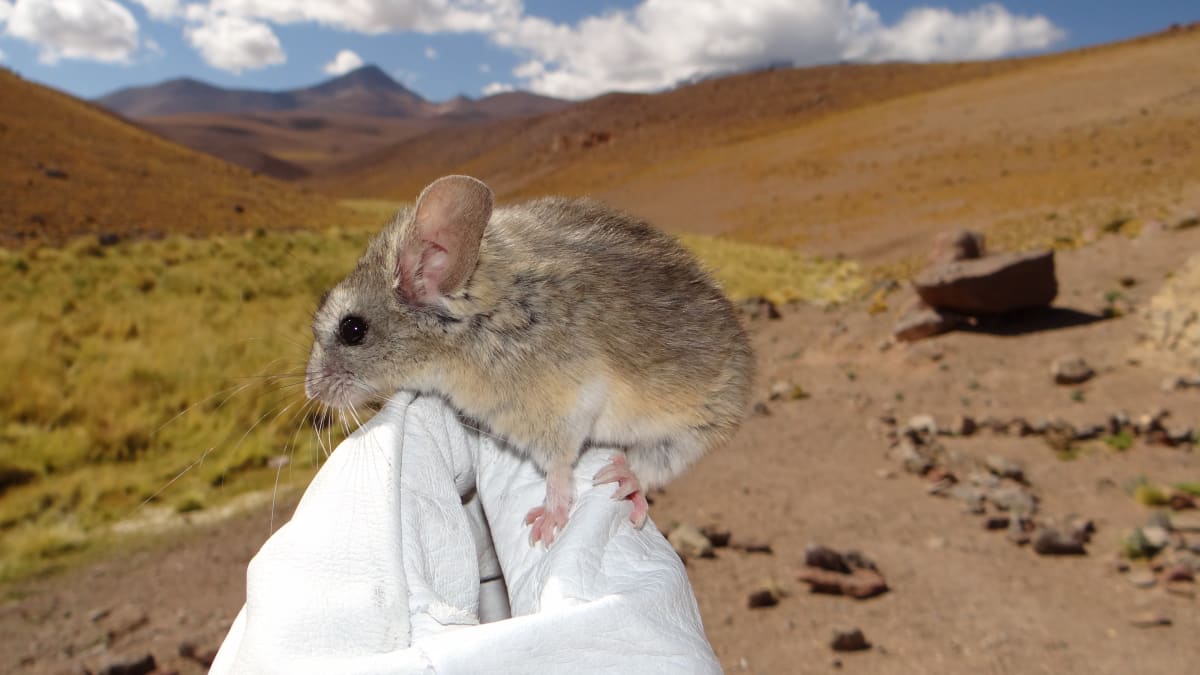
Scientists led by Jay Storz from the University of Nebraska–Lincoln found Andean leaf-eared mice living at a record-breaking 22,110 feet on Llullaillaco volcano, where temperatures plummet and oxygen is desperately thin. The discovery shattered the previous assumption that mammals could only survive up to 18,000 feet.
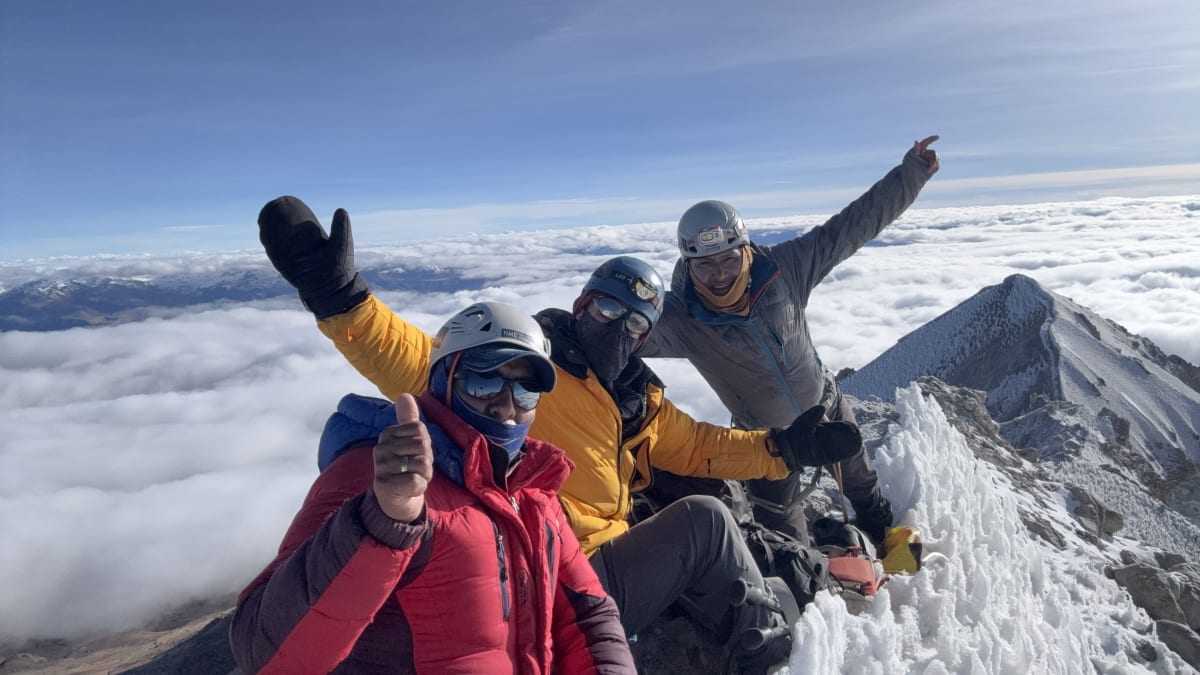
Standing on these barren summits as a mountain climber, Storz said the idea that animals could live there is "just really mind-boggling." The conditions are so harsh that even well-acclimatized climbers can only tolerate them briefly before risking life-threatening altitude sickness.
Between 2020 and 2023, the research team climbed these dangerous peaks to study how the mice accomplish this incredible feat. They discovered these animals have evolved multiple survival strategies that allow them to call these frozen wastelands home.
The high-altitude mice maintain their body heat and oxygen levels far better than their low-altitude cousins. Their genes have changed to help them digest food and detoxify plants that would poison other animals, crucial for finding enough nutrition on sparsely vegetated peaks.
The mice also adjusted their behavior, becoming more active during daylight hours when temperatures warm slightly and predators are absent. What makes the species even more remarkable is its range: these same mice live everywhere from sea-level Chilean deserts to the highest Andes summits.
Lab tests confirmed the mice's superpowers when researchers placed them in special chambers simulating extreme cold and oxygen deprivation. The high-altitude populations significantly outperformed their lowland relatives.
Why This Inspires
This discovery shows that life finds ways to not just survive but actually thrive in places we thought were completely uninhabitable. The mice didn't just barely scrape by on these frozen peaks; they evolved clever solutions to every challenge nature threw at them, from toxic plants to oxygen deprivation to brutal cold.
Co-author Graham Scott called these animals "the king of the mountains," and for good reason. Their success reminds us that evolution creates remarkable solutions we're only beginning to understand, and that resilience can emerge in the most unexpected places.
Life's determination to flourish proves there are still natural wonders waiting to amaze us on our own planet.
More Images

Based on reporting by Live Science
This story was written by BrightWire based on verified news reports.
Spread the positivity!
Share this good news with someone who needs it