Michigan Volunteers Clean 297 Miles of Waterways Since 2021
Over 1,000 Michigan volunteers are keeping the Great Lakes state's waters pristine through monitoring, testing, and cleanup projects. Their efforts have cleaned 297 miles of streams in just four years and created one of America's richest lake health databases.
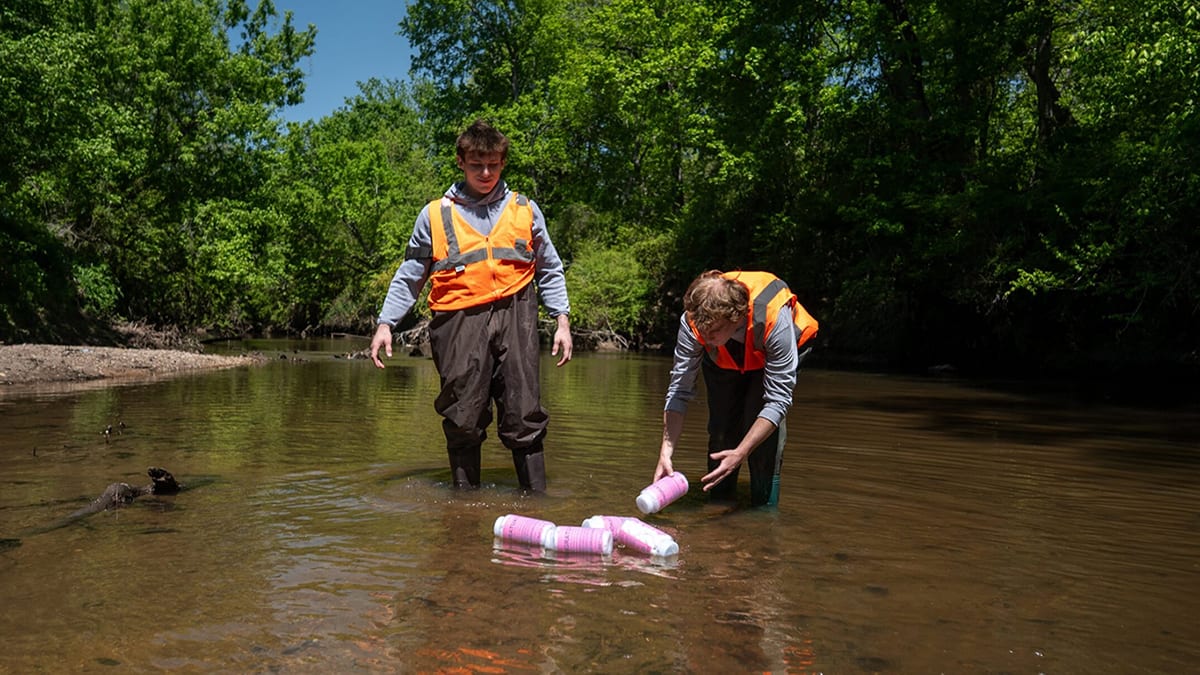
Picture pulling an old tire from a beautiful Michigan river, knowing your effort means families will swim and fish in cleaner water for generations to come. That's exactly what over 1,000 volunteers do each year through the Michigan Clean Water Corps (MiCorps) program.
Since 2021, these dedicated water warriors have cleaned up 297 miles of streams across Michigan. They've also monitored 337 lakes this year alone, creating scientific data that helps protect the state's precious water resources.
The program started small in 1974 when the Michigan Department of Natural Resources invited residents to check water clarity in their local lakes. What began with simple measurements has grown into one of the nation's most comprehensive volunteer water monitoring programs, tracking 1,072 lakes over five decades.
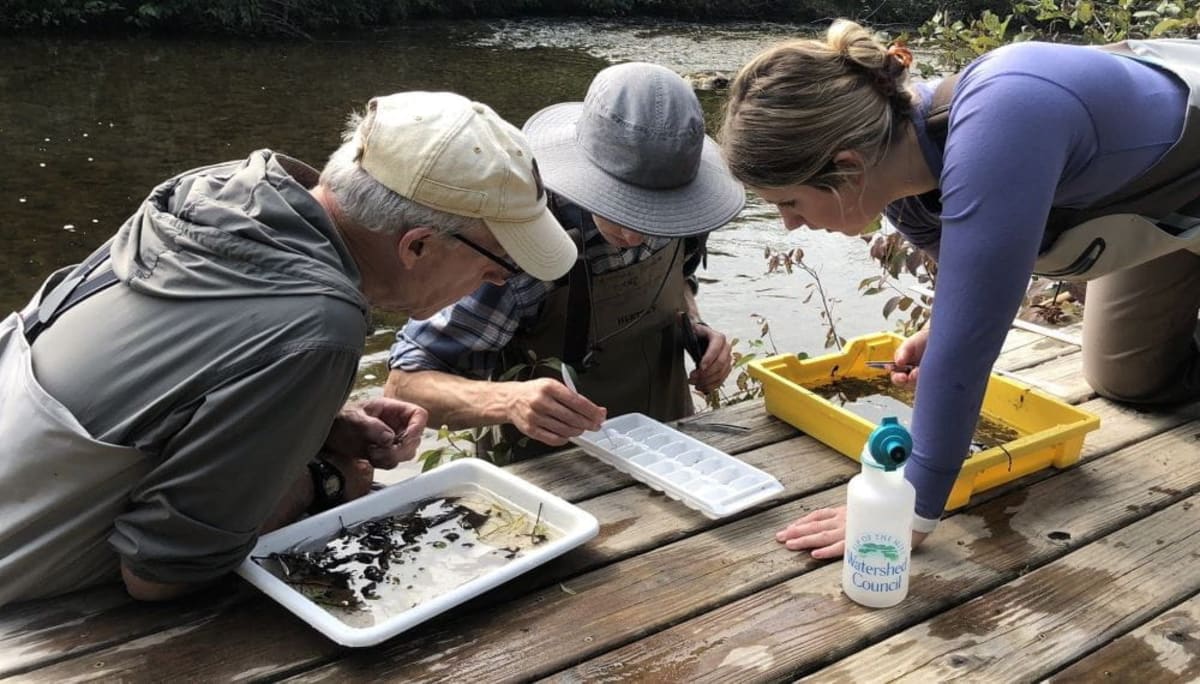
Today's volunteers do everything from identifying aquatic insects in streams to measuring phosphorus levels in lakes. Nearly 30 monitoring groups across Michigan work every spring and fall to check on stream health. Their findings aren't just for show. Local governments and conservation groups use this data to make real decisions about protecting watersheds and managing land use.
This year alone, MiCorps awarded nearly $100,000 in grants to 24 different organizations. Eight grants will fund stream cleanups to remove trash from rivers. Others support new monitoring programs or help existing groups maintain their equipment and continue their important work.
The impact goes beyond clean beaches and healthy fish populations. Recent data collected by volunteers helped identify 34 coldwater lakes that aren't supporting fish communities as well as they should. Armed with this information, Michigan officials can now take steps to restore these waters.
The Ripple Effect
When volunteers test water quality in Michigan, they're protecting more than swimming holes. They're safeguarding a way of life. Clean rivers mean kids can safely wade through creeks looking for minnows. Clear lakes mean grandparents can teach grandchildren to fish in the same spots they learned decades ago.
The program partners with Michigan State University Extension, the Michigan Lakes and Streams Association, and the Huron River Watershed Council. Together, they train thousands of volunteers on proper monitoring techniques and scientific best practices. Every measurement these volunteers take adds to a growing database available on the MiCorps Data Exchange, where anyone can see the health of Michigan's waters over time.
Governor Gretchen Whitmer recently dedicated June 6 through 14 as Great Lakes and Fresh Water Week, celebrating the community connections that keep Michigan's blue economy strong. The theme says it all: Protecting the Great Lakes Sustains Us.
Any Michigander can join these efforts, whether helping with a river cleanup or learning to monitor their local lake. These everyday heroes prove that ordinary people doing small things together can create extraordinary change for their communities and environment.
Based on reporting by Google: volunteers help
This story was written by BrightWire based on verified news reports.
Spread the positivity!
Share this good news with someone who needs it