2,000 Volunteers Help Restore 240-Million-Year-Old Fossil
More than 2,000 volunteers in Poland are helping scientists restore a massive prehistoric amphibian skeleton that's one of the best-preserved fossils of its kind ever found. The citizen science project at Warsaw's Copernicus Science Center lets everyday people contribute to groundbreaking paleontology research.
Imagine spending two hours carefully cleaning less than a square centimeter of ancient bone, knowing you're touching something that lived 240 million years ago. That's exactly what more than 2,000 volunteers in Poland have signed up to do, and they're loving every minute of it.
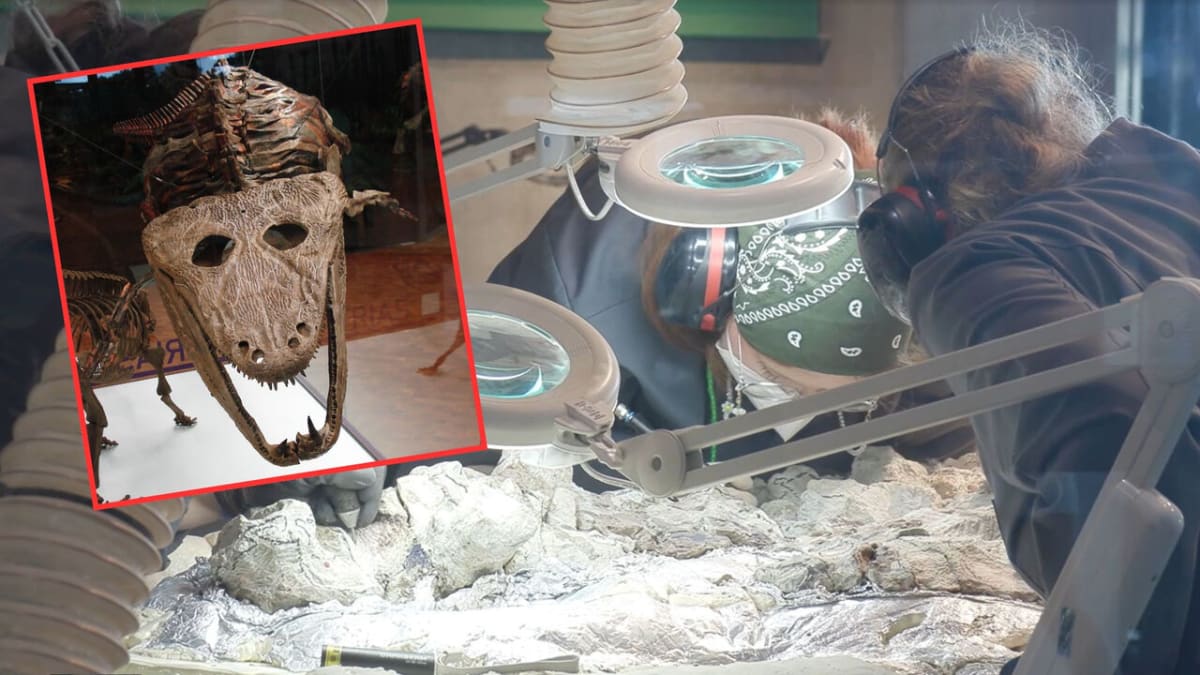
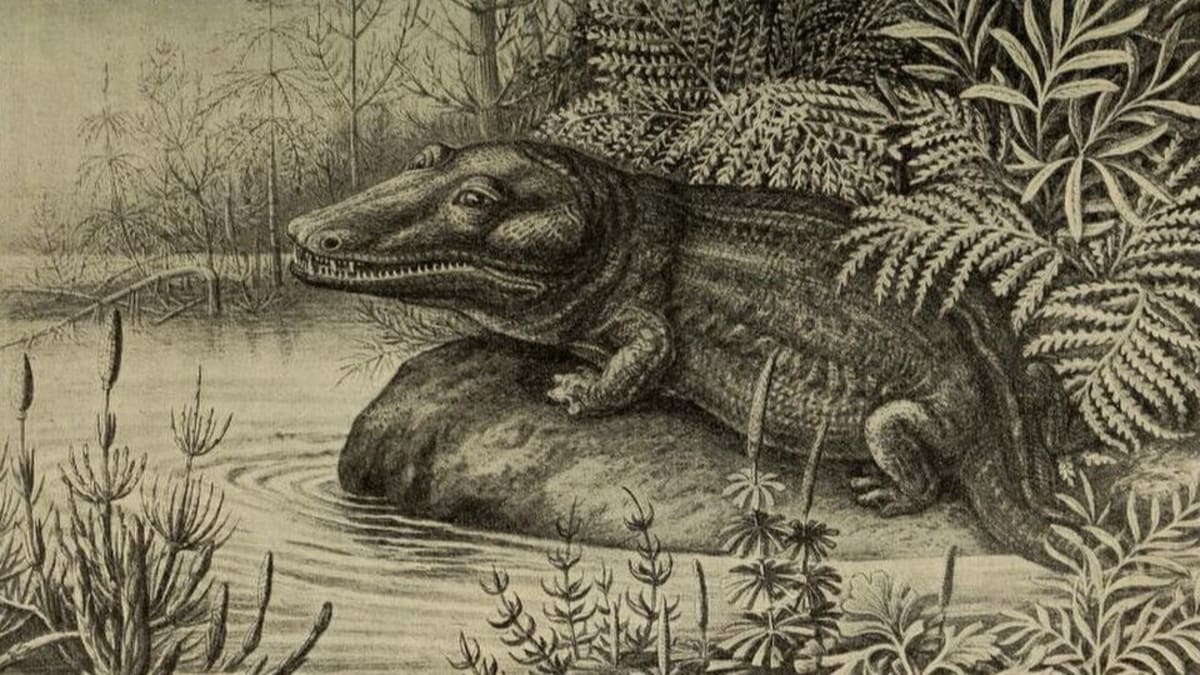
The volunteers are helping paleontologists restore the fossilized remains of a Mastodonsaurus, a giant prehistoric amphibian that roamed Earth long before dinosaurs took over. The 2.5-meter-long skeleton was discovered in 2023 in the southern Polish village of Miedary and is considered one of the best-preserved specimens ever found.
Scientists Wojciech Pawlak from the University of Warsaw and Tomasz Sulej from the Polish Academy of Sciences launched this unusual citizen science program at Warsaw's Copernicus Science Center in November 2025. Because of the fossil's enormous size, they realized the restoration would take years if they worked alone, so they opened their lab to the public.
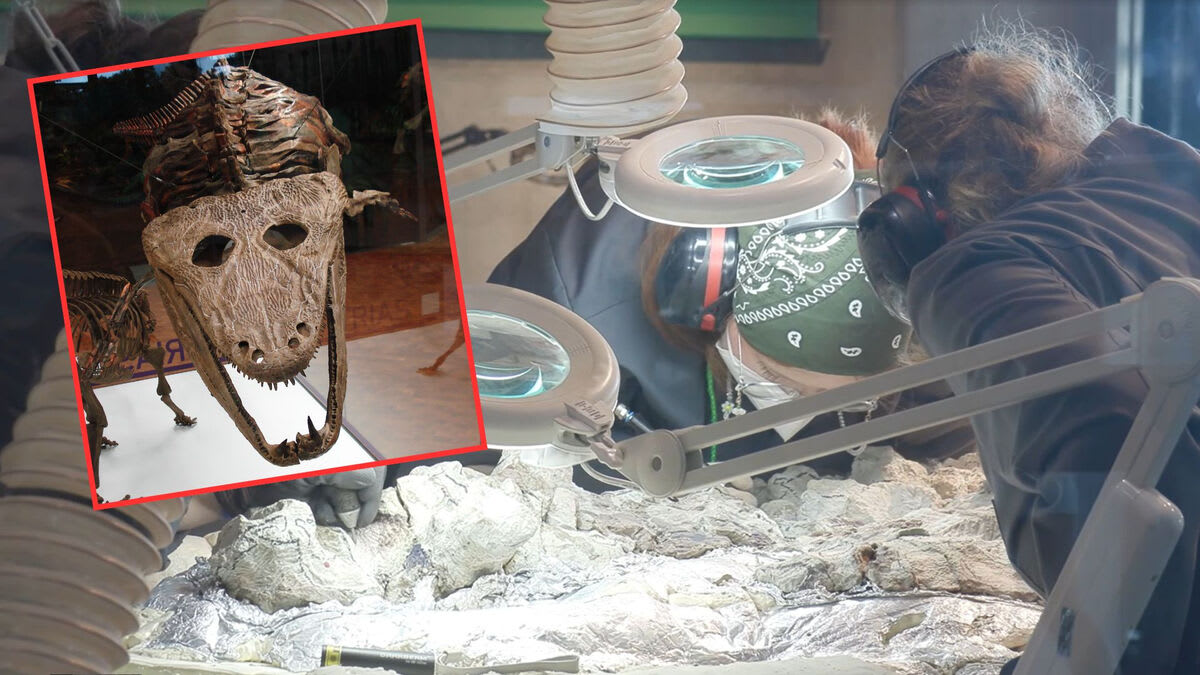
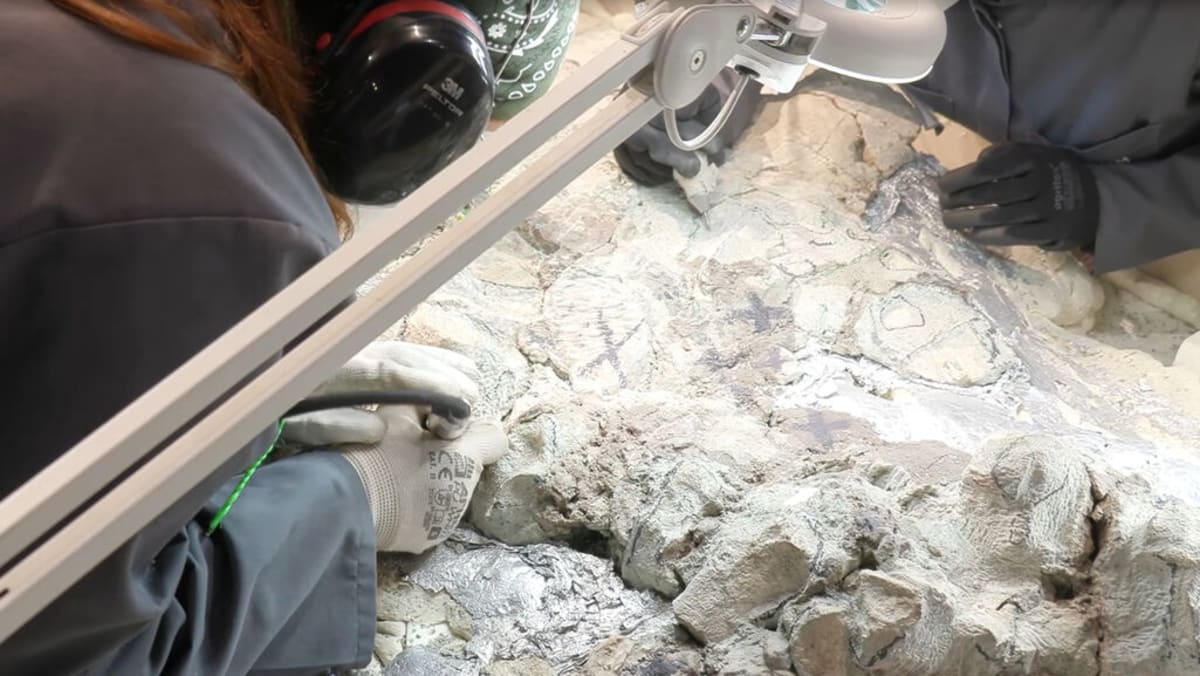
The work demands extraordinary patience and precision. Volunteers use pneumatic chisels that create tiny vibrations to chip away rock without damaging the ancient bones. The biggest challenge? The fossilized bone and surrounding rock look nearly identical, so everyone works under ultraviolet light that makes the bones glow fluorescent.
"The most dedicated and effective volunteers become regulars in our lab, with some returning to help for several months," Pawlak told the Polish Press Agency. Together, volunteers have contributed around 2,000 hours of painstaking work.
At the end of each shift, volunteers document their progress and leave a symbolic fingerprint on an illustration of the skeleton, marking their personal contribution to scientific history.
The Ripple Effect
This project is transforming how paleontology connects with everyday people. Instead of keeping restoration work behind closed doors, scientists are building a community of amateur enthusiasts who gain hands-on experience with real research. The volunteers aren't just cleaning bones; they're learning about Earth's ancient history and developing skills in scientific documentation.
One side of the skeleton is now fully prepared, and work continues on the other. The team hopes to finish by late October or early November 2026.
Once complete, the Mastodonsaurus will go on display at the Copernicus Science Centre, where it will help researchers study the anatomy and biology of these fascinating creatures. Future visitors will see not just an incredible fossil, but the result of thousands of hours of community dedication.
The success of this project shows how breaking down barriers between professional scientists and curious citizens can accelerate discovery while inspiring the next generation of researchers.
More Images

Based on reporting by Google: volunteers help
This story was written by BrightWire based on verified news reports.
Spread the positivity!
Share this good news with someone who needs it