Australian Town Fights to Reopen 195M-Year-Old Dinosaur Cave
A small Australian town is pushing to reopen underground caverns containing hundreds of rare dinosaur footprints embedded in the ceiling. The unique site has been closed since 2011, but a new study shows it could transform Mount Morgan into a major tourist destination.
Hidden beneath a quiet Queensland town lies one of the world's rarest prehistoric treasures, and locals are determined to share it with the world again.
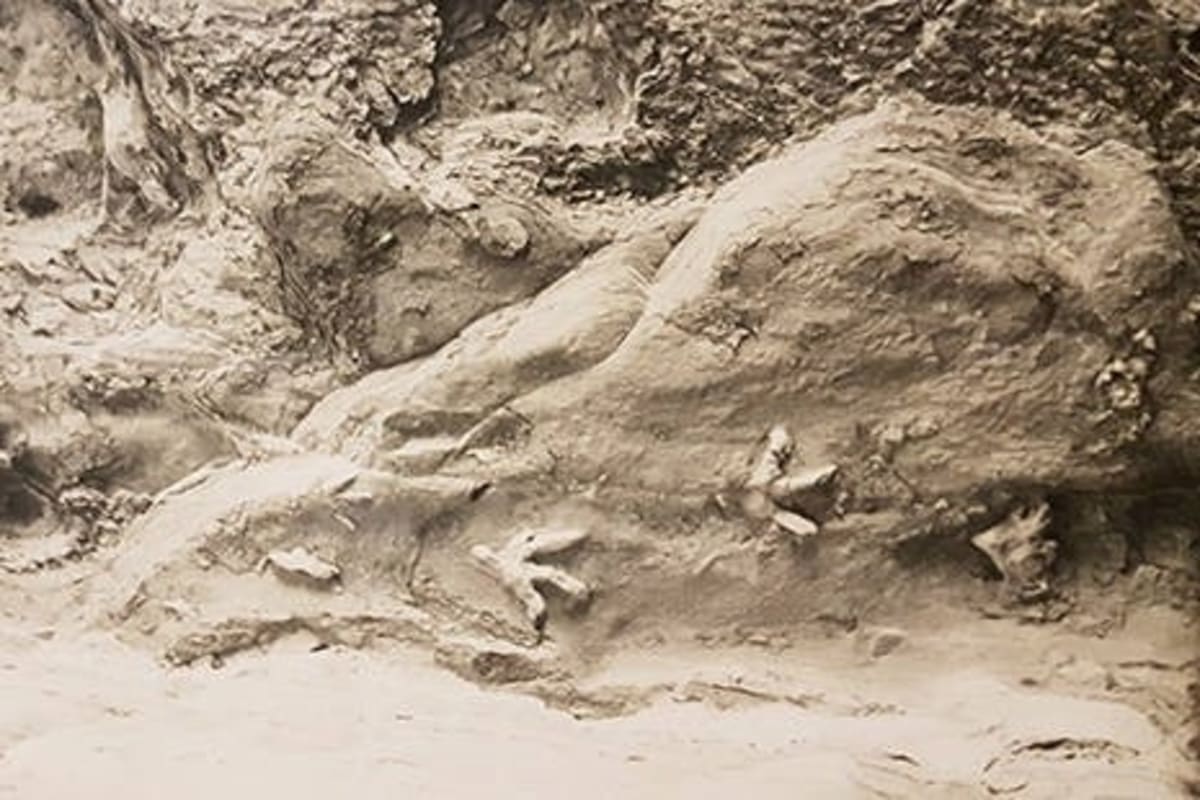
The Fireclay Caverns in Mount Morgan host an extraordinary sight: over 150 dinosaur footprints from 195 million years ago pressed into the cave's roof. It's the only example of its kind in Australia, where ancient tracks appear as raised impressions rather than indentations.
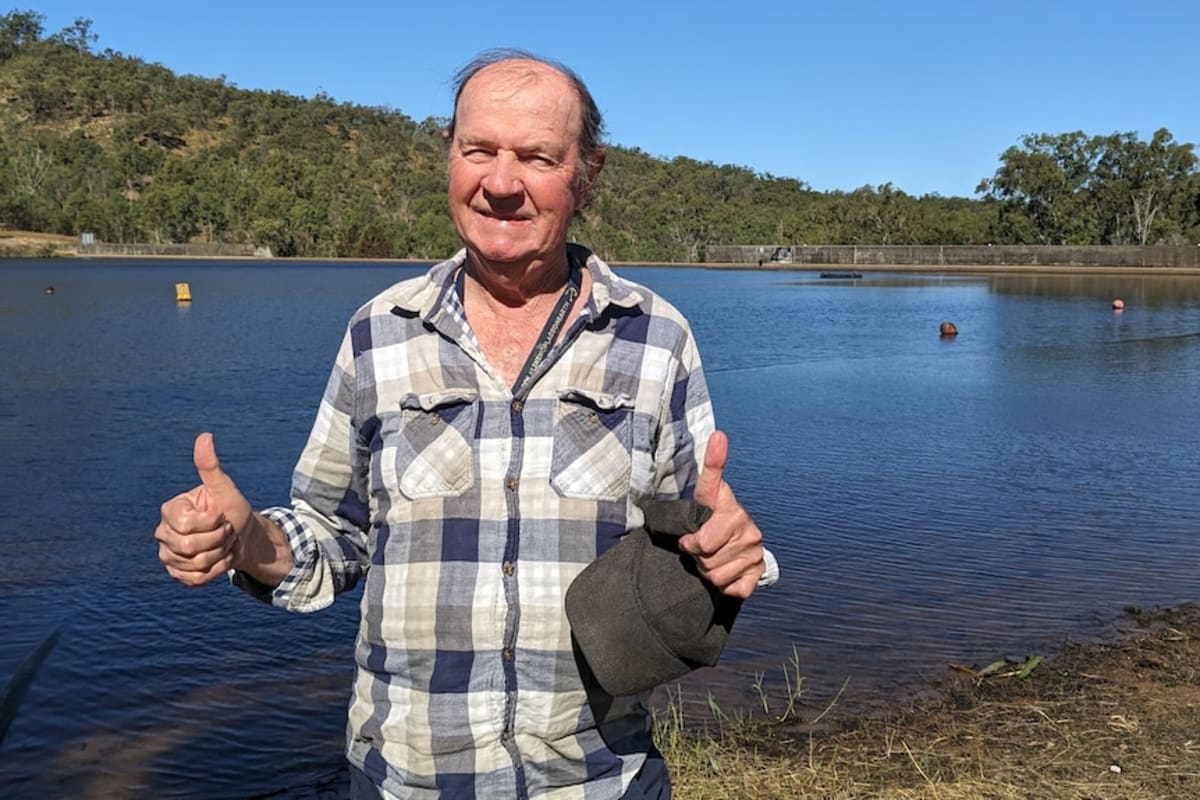
John Steinberger, who used to lead tours through the caverns before they closed in 2011, remembers the wonder on visitors' faces. "When you get to the door, you'll see 50 just staring at you," he said. "You go around the corner, we've got another 100 odd. It's a labyrinth."
The footprints belong to early Jurassic theropods, discovered by chance in 1952 when miners excavated what was once an ancient lake. The fossilization process created "outies" instead of "innies," preserving the natural cast of each dinosaur's step as the creatures walked through prehistoric mud.
Mount Morgan has struggled economically since its gold mine closed in 1990. Tourism plummeted after rock falls forced the cavern tours to shut down, costing the town 20,000 annual visitors overnight.
Now the community has released a feasibility study showing how the caverns could transform their fortunes. Steinberger's group wants to shift Mount Morgan from a quick daytrip stop into a destination where families stay and explore.
Why This Inspires
This story shows how communities can rally around their unique treasures to build brighter futures. Steinberger led nearly 10,000 tourists through the caves over the years, receiving just one negative review among thousands of delighted visitors.
Palaeontologist Anthony Romilio, who has studied the tracks, says reopening would benefit both science and tourism. Modern 3D scanning technology could create virtual tours while researchers use new methods to unlock secrets the footprints still hold about how dinosaurs moved and lived.
Local business owner Kerrilyn Page echoes the frustration many residents feel. "It just seems ludicrous that we've got caverns sitting there with hundreds of dinosaur footprints in them, and we can't access them," she said.
The state government says ground stability risks must be addressed before reopening, but officials have expressed support for the feasibility study. Discussions about tenure arrangements and alternative access points are underway.
Mary Carroll from Capricorn Enterprise has advocated for over a decade to reopen the site. "This is not just about tourism," she said. "This is about protecting a historical and palaeontological unique thing."
A town that once thrived on gold is now fighting to share an even older treasure with the world.
More Images


Based on reporting by ABC Australia
This story was written by BrightWire based on verified news reports.
Spread the positivity!
Share this good news with someone who needs it