Milan 2026 Olympics Powered Entirely by Clean Energy
The 2026 Winter Olympics in Italy just proved major sporting events can run on 100% renewable electricity. From mountain venues to ice rinks, every light and snowmaking machine drew power from certified green sources.
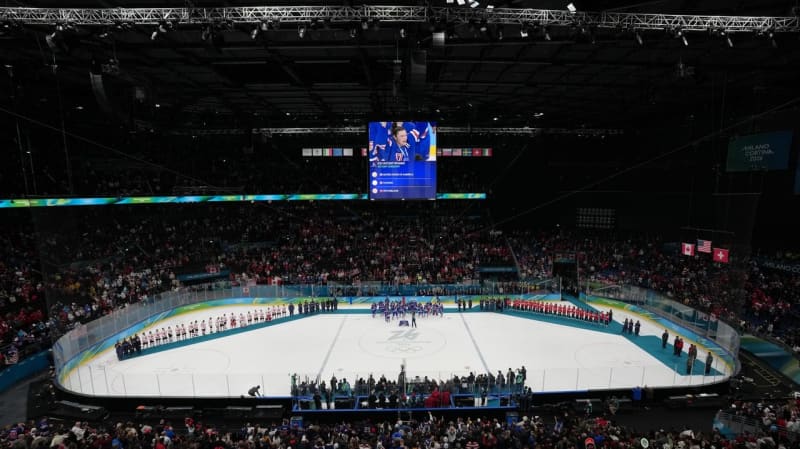
The 2026 Winter Olympics just showed the world that mega-events don't have to come with a massive carbon footprint. Organizers in Milan and Cortina d'Ampezzo, Italy, powered every venue entirely with certified renewable electricity, setting a new standard for major sporting events.
Italy's largest power company, Enel, supplied 85 gigawatt hours of clean electricity throughout the Games. They guaranteed 100% renewable power by purchasing "guarantee of origin" certificates, each representing one megawatt hour of electricity from verified green sources like hydro, wind, and solar.
The organizers focused on energy because it's historically been one of the biggest sources of planet-warming emissions at major events. In rare cases where temporary power generation was needed, they used hydrotreated vegetable oil instead of traditional diesel fuel.
Nearly three-quarters of the electricity Enel produced in Italy last year was carbon-free. About half came from hydropower facilities in northern Italy's mountains and rivers, with geothermal, wind, and solar making up most of the rest.
The company also built new power substations and upgraded distribution infrastructure in host communities. These improvements will continue serving residents long after the closing ceremony, turning Olympic investments into lasting benefits for local towns.
The Ripple Effect
This achievement sends a powerful message to future host cities and event organizers worldwide. The organizing committee hopes their approach proves that cleaner energy solutions are increasingly viable for events of any scale, from music festivals to world championships.
The move comes as researchers warn that climate change will dramatically shrink the list of places that can reliably host Winter Olympics in coming decades. Many Olympic skiers, including American stars Lindsey Vonn and Mikaela Shiffrin, spoke out during the Games about protecting winter sports by addressing climate change.
The International Olympic Committee and event organizers are using these Games as a model for cutting carbon pollution. While electricity represented their biggest controllable impact, they acknowledge the next challenge lies in reducing emissions from areas like spectator travel and accommodations.
Energy economist Matteo Di Castelnuovo from Milan's Bocconi School of Management expects future Olympics will stay committed to clean power. The thornier issue, he notes, is tackling indirect emissions that organizers don't directly control.
Still, the Milan Cortina Games proved that when it comes to powering the spectacle itself, clean energy is ready for the world's biggest stage.
Based on reporting by Google News - Clean Energy
This story was written by BrightWire based on verified news reports.
Spread the positivity!
Share this good news with someone who needs it