Minnesota Farmers Could Make Fertilizer from Wind Power
Minnesota wants to turn wind energy into fertilizer, cutting costs and making farmers less dependent on imports. Two planned facilities could produce 14,000 tons of ammonia yearly using local renewable power.
Minnesota farmers spend $1,000 per ton on fertilizer shipped from thousands of miles away, but a new partnership between clean energy groups and agriculture could change that.
The state imports nearly 1 million tons of ammonia fertilizer each year from Gulf Coast states and other countries. Now lawmakers are considering an $8 million investment to build two facilities that would turn Minnesota's abundant wind power into the fertilizer farmers need.
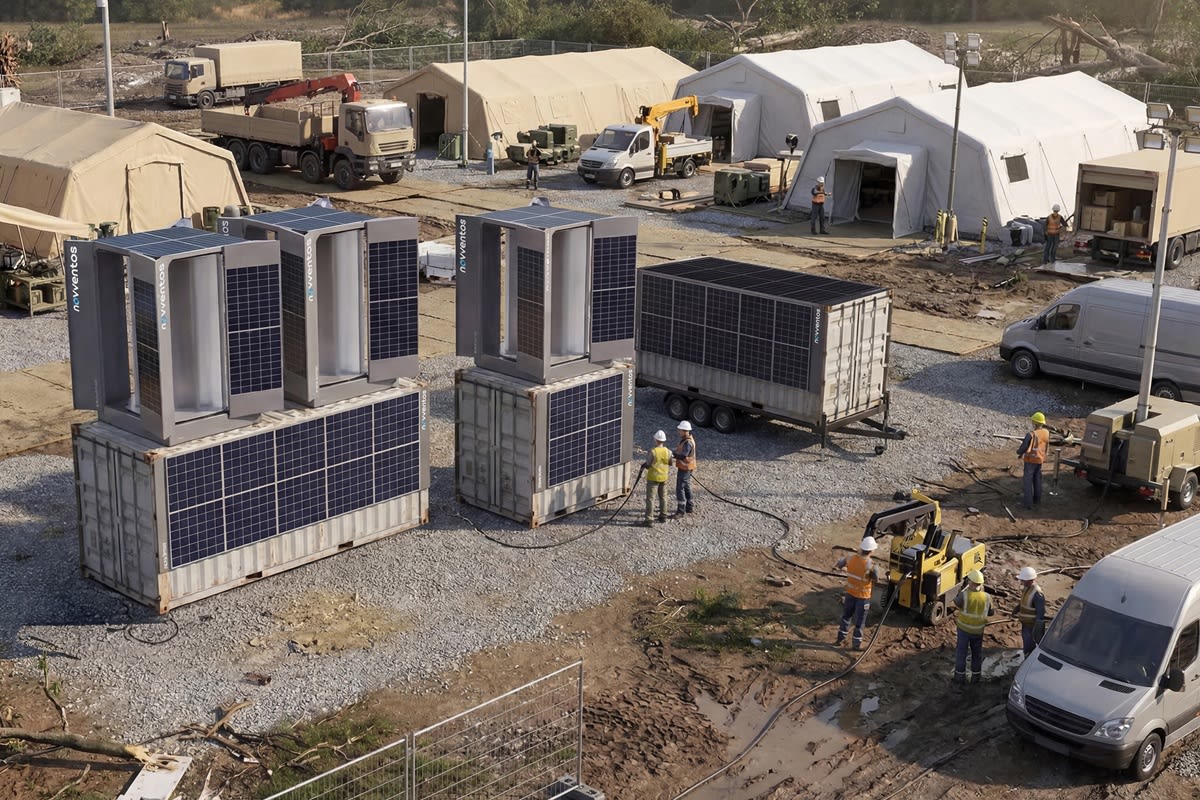
The technology works by separating hydrogen from water and pulling nitrogen from air, then combining them to make ammonia. Wind energy powers the entire process, according to the University of Minnesota.
TalusAg, an agriculture technology company, has already deployed demonstration systems in the U.S., Spain, and Kenya. Their first commercial facility is under construction in Iowa right now.
The proposed Minnesota facilities in Blue Earth would produce up to 14,000 tons of ammonia annually, meeting 5% of the state's needs. More importantly, they'd produce it at a lower cost than importing it.
"Minnesota farmers should not be dependent on global markets for one of our most essential imports," said Tristan Wilmes, vice president of agronomy at Central Farm Service. "This project is about affordability, it's about certainty and it's about taking control of our supply chain."
The timing matters. Ammonia prices jumped from $750 per ton in February to $1,000 per ton due to global conflicts. Local production would shield farmers from these international price swings.
The Ripple Effect
Beyond helping farmers, the project would stabilize Minnesota's wind energy industry. When wind turbines produce more power than the grid needs, that energy often goes to waste. Converting excess wind power into fertilizer means every gust helps grow food.
Rural counties would benefit too. The facilities would create jobs and generate stable tax revenue from renewable energy assets already built across the state.
If funding gets approved this year, the facilities could start producing ammonia by 2028. The modular systems are built to last at least a decade, potentially much longer.
Minnesota's farmers have always depended on the wind. Soon they might be turning it into the fertilizer that feeds their crops.
More Images



Based on reporting by Google News - Wind Energy
This story was written by BrightWire based on verified news reports.
Spread the positivity!
Share this good news with someone who needs it