Minnesota Power Lines Get Smart Sensors for Clean Energy
Minnesota utilities are installing "neurons" on power lines that collect real-time data, allowing more clean electricity to flow without building new infrastructure. The smart sensors could help solar and wind power reach more homes faster.
Imagine if your power lines could think. That's essentially what's happening in Minnesota, where utilities are installing smart sensors that could speed up the clean energy transition.
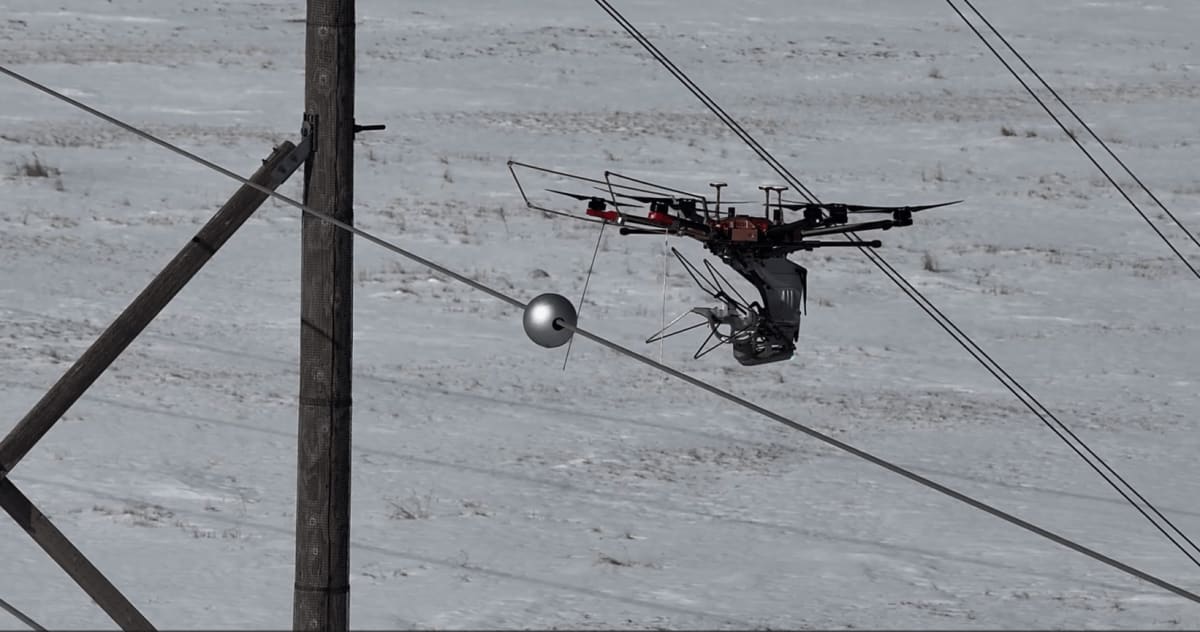
Minnesota Power recently partnered with Norwegian company Heimdall Power to install 52 "neurons" on existing power lines. These baseball-sized sensors continuously monitor conditions like temperature, wind speed, and how much electricity is flowing through the lines.
Here's why that matters. Power companies typically limit how much electricity flows through lines based on worst-case scenarios, like a hot, windless day. But most days aren't worst-case days, meaning the lines could safely carry more power than they currently do.
The neurons provide real-time data that lets utilities safely increase power flow when conditions allow. That means more electricity from solar panels and wind turbines can reach homes and businesses without building expensive new transmission lines, which can take years and cost millions.
The technology addresses one of clean energy's biggest challenges: getting renewable power from where it's generated to where it's needed. Wind farms and solar installations often produce more energy than existing power lines can handle, forcing some clean electricity to go to waste.
The Ripple Effect
This innovation could accelerate Minnesota's clean energy goals significantly. Instead of waiting years for new infrastructure, utilities can maximize what already exists.
Other Minnesota utilities are watching closely. If the pilot program succeeds, the sensors could spread across the state's power grid, multiplying the impact many times over.
The approach also saves money that can be invested elsewhere in the energy system. Building a single mile of new transmission line can cost over $1 million, while these sensors cost a fraction of that amount.
Beyond Minnesota, utilities nationwide face the same infrastructure bottleneck. A solution that works here could help communities everywhere transition to cleaner energy faster and more affordably.
The technology represents a different kind of progress: not building bigger, but using what we have smarter. Sometimes the best innovations don't require starting from scratch.
Small sensors with big brains might just help power a cleaner future.
Based on reporting by Google News - Clean Energy
This story was written by BrightWire based on verified news reports.
Spread the positivity!
Share this good news with someone who needs it