MIT Makes Life-Saving Cancer Treatment Easier to Access
Scientists found a way to freeze cancer-fighting cells using natural sugars instead of harsh chemicals. This breakthrough could help thousands more hospitals offer CAR-T therapy to patients who need it.
Getting life-saving cancer treatment shouldn't depend on where you live, but right now it often does.
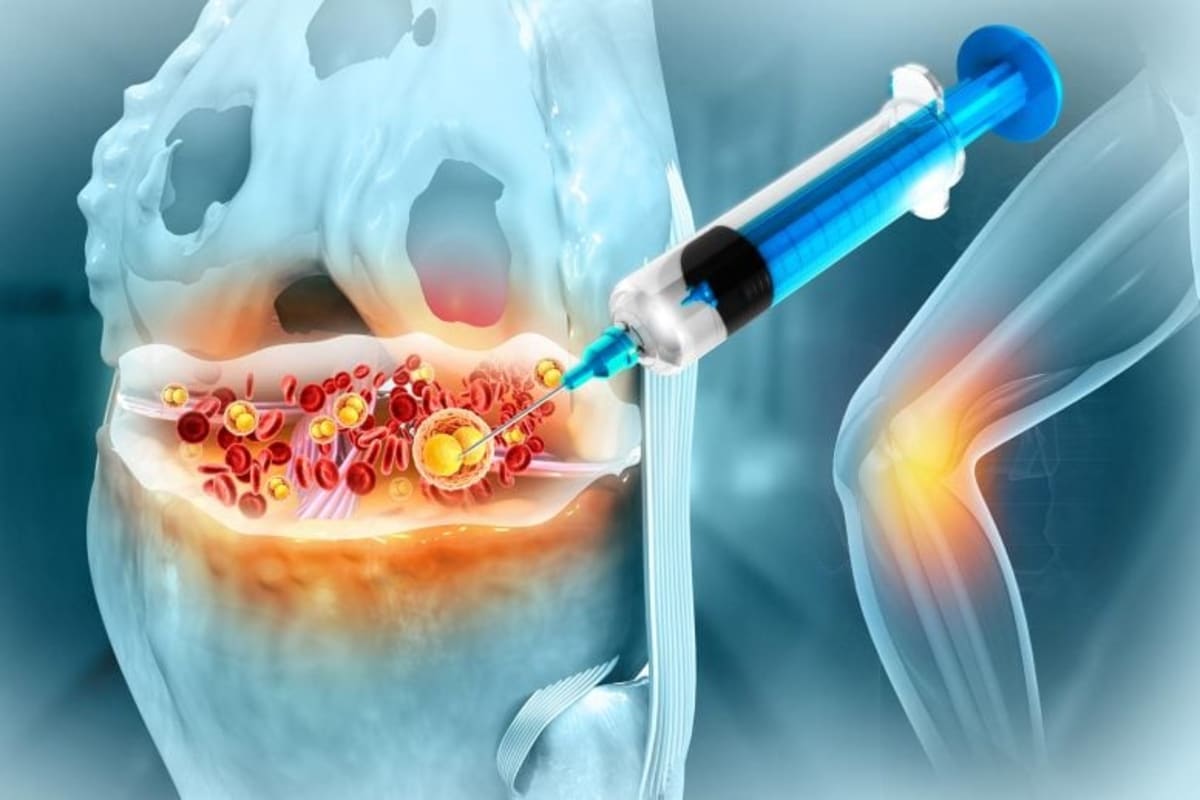
Only 5% of U.S. hospitals can provide CAR-T cell therapy, a powerful treatment that turns a patient's own immune cells into cancer fighters. The biggest roadblock? A chemical called DMSO that protects the cells during freezing but requires expert removal before treatment.
MIT researchers just solved this problem using something surprisingly simple: sugar.
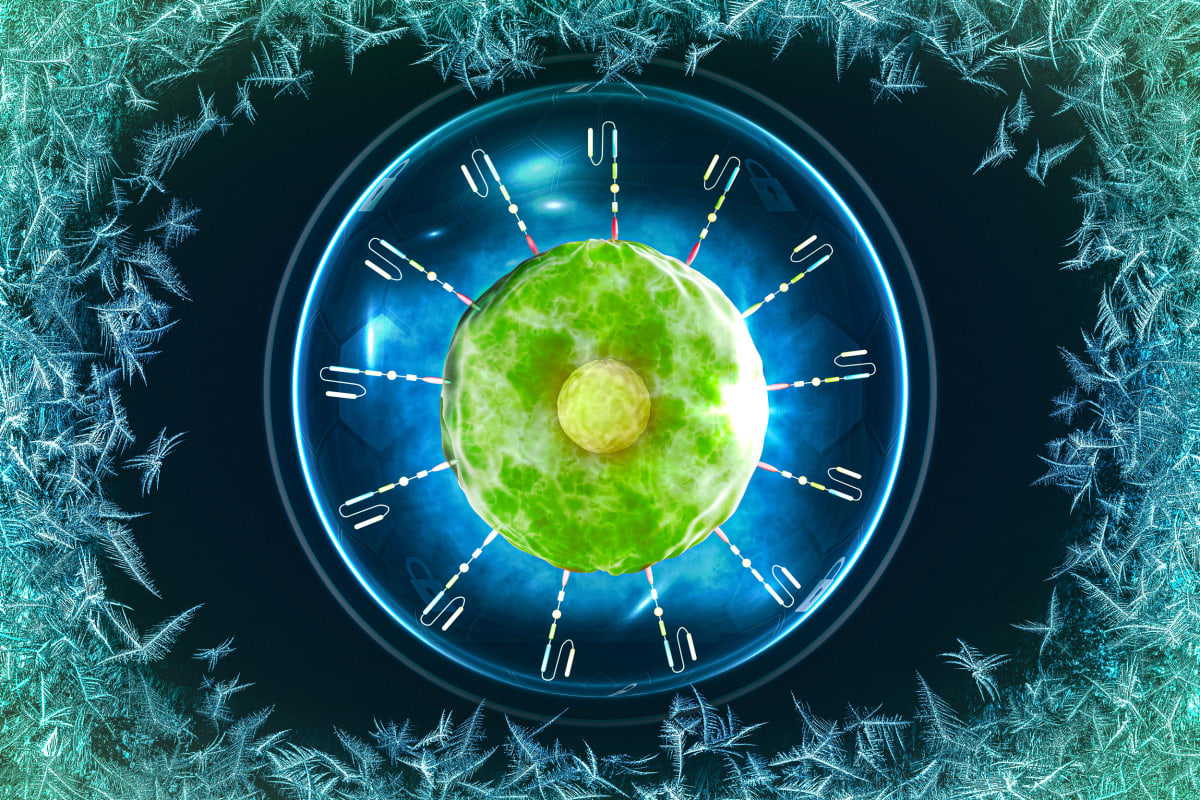
The team discovered they could protect CAR-T cells during freezing using trehalose and sucrose, two natural sugars that act like antifreeze. These same sugars help Arctic wood frogs survive being frozen solid each winter. The cells can now be thawed and injected directly into patients without complicated processing steps.
"With this approach, you could theoretically just thaw the cells and then inject them, without any extra processing steps," says Ana Jaklenec, a principal investigator at MIT's Koch Institute. "We think that could allow a lot more cancer treatment centers to be able to give CAR-T cell therapy."
The researchers used a technique called electroporation to get the sugar molecules inside the cells. A brief electrical pulse creates temporary holes in the cell membrane, letting the protective sugars slip through. They still needed a tiny amount of DMSO, but not enough to require removal later.
The results speak for themselves. In laboratory tests with mice, the sugar-preserved cells successfully treated both lymphoma and glioblastoma, an aggressive brain cancer. The cells had higher survival rates compared to traditional freezing methods.
Right now, most CAR-T cells get made at centralized facilities, then frozen and shipped long distances to patients. Many hospitals receive these cells but can't use them because they lack the equipment and expertise to remove DMSO safely. The removal process itself can damage cells, reducing how many remain effective.
The Ripple Effect
This breakthrough could transform cancer care across the country. Smaller hospitals and rural treatment centers could finally offer CAR-T therapy to their patients. No more long trips to major medical centers. No more delays while waiting for specialized processing.
The simplification also means more viable cells surviving the journey from lab to patient. Every extra cell that makes it through the process could make treatment more effective. For patients fighting blood cancers like leukemia and lymphoma, that could mean better outcomes and longer lives.
The research appears this week in Trends in Biotechnology, bringing this innovation one step closer to widespread use.
Thousands of cancer patients may soon have access to cutting-edge treatment that was once out of reach.
Based on reporting by MIT News
This story was written by BrightWire based on verified news reports.
Spread the positivity!
Share this good news with someone who needs it