MIT Programming Language Julia Hits 1 Million Users Worldwide
A frustrated group of MIT researchers turned their complaints about slow scientific software into Julia, a free programming language now used by over 1 million scientists and engineers worldwide. Their latest AI tool lets engineers design entire aircraft just by uploading documents.
What started as a few grumpy emails in 2009 just became a million-user success story that's helping scientists design everything from new drugs to black hole images.
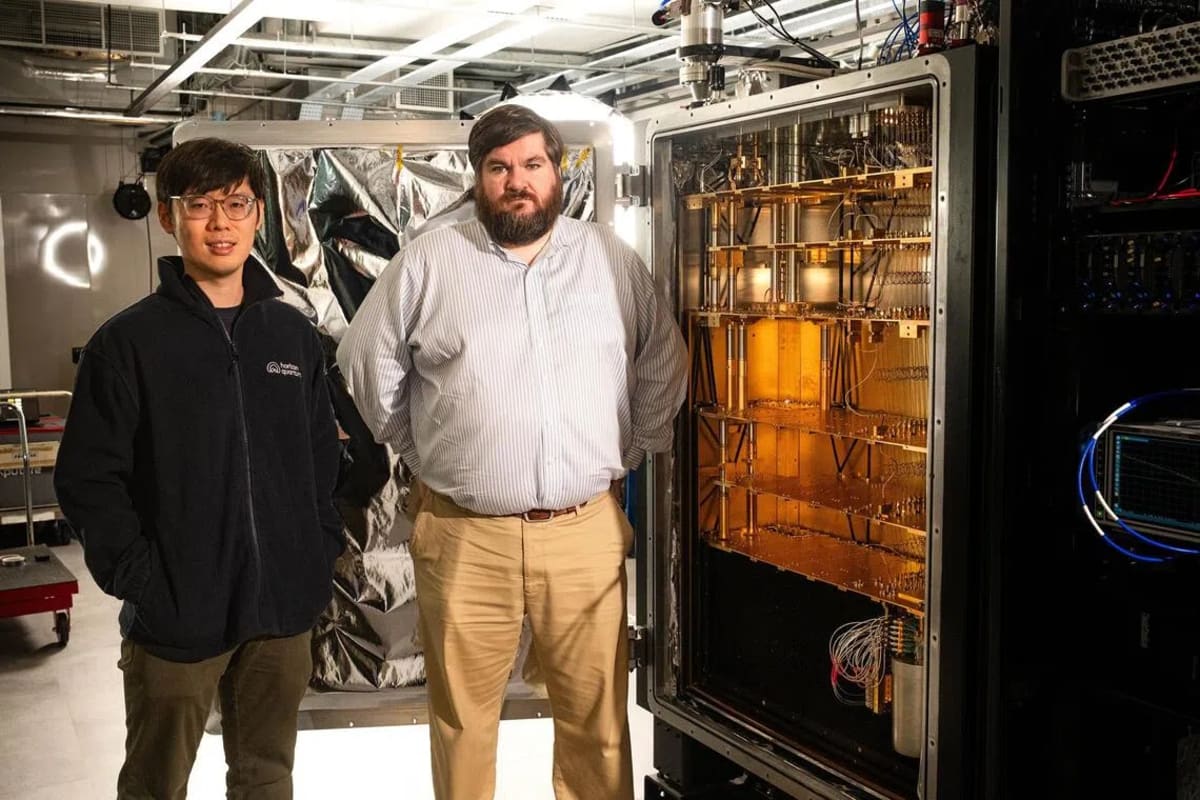
MIT researchers Viral Shah, Alan Edelman, Jeff Bezanson, and Stefan Karpinski were fed up. The programming tools available for scientists were painfully slow and rigid. If researchers built something that actually worked, they'd have to rewrite everything in a different language just to make it run faster.
So they built Julia, a free programming language designed specifically for scientists who aren't professional programmers. The secret? Julia compiles code based on the type of data being used, making it both easy to learn and blazingly fast.
"Scientists and engineers are not programmers," says Shah, now CEO of JuliaHub. "We asked: What if you could equip them with a programming language that allowed them to express their ideas at a high level and also get great software performance?"
The team announced Julia in a 2012 blog post, expecting it would take a decade before anyone cared. They were wrong. Researchers around the world immediately recognized their own frustrations in the project.
Today, Julia powers research at thousands of companies and universities. Astronomers use it to image black holes. Engineers model race cars and jet engines. Scientists simulate everything from tiny atoms to massive financial markets.
The Ripple Effect
Julia's impact keeps expanding. In April 2024, JuliaHub launched Dyad 3.0, an AI platform that takes ease of use to a new level. Engineers can now upload design documents and watch as AI agents work through complex physics simulations and safety analyses automatically.
"With Dyad 3.0, you can upload data and design documents and the system will design an entire aircraft for you," Shah explains. Companies like Boeing are already using the platform to let AI agents handle the physics calculations, code compilation, and verification that used to require massive teams.
MIT Professor Edelman now teaches a class on Julia that attracts students from nearly every department. What surprises him most? Many students are already using Julia for robotics, astronomy, and physics before they even enroll.
The free, open-source language proves that sometimes the best solutions come from people solving their own problems and sharing the results with the world.
Based on reporting by MIT News
This story was written by BrightWire based on verified news reports.
Spread the positivity!
Share this good news with someone who needs it