MIT Spinout Cuts Energy Use in Chemical Production by 90%
A new technology from MIT researchers could slash the energy used to make everyday chemicals and fuels by more than 90 percent. The innovation uses advanced filters instead of heat, potentially saving billions in energy costs and preventing 100 million tons of CO2 emissions annually.
Making the chemicals and fuels that power modern life uses a staggering amount of energy—up to 15 percent of everything the world consumes. Now, scientists from MIT have created a breakthrough that could change that forever.
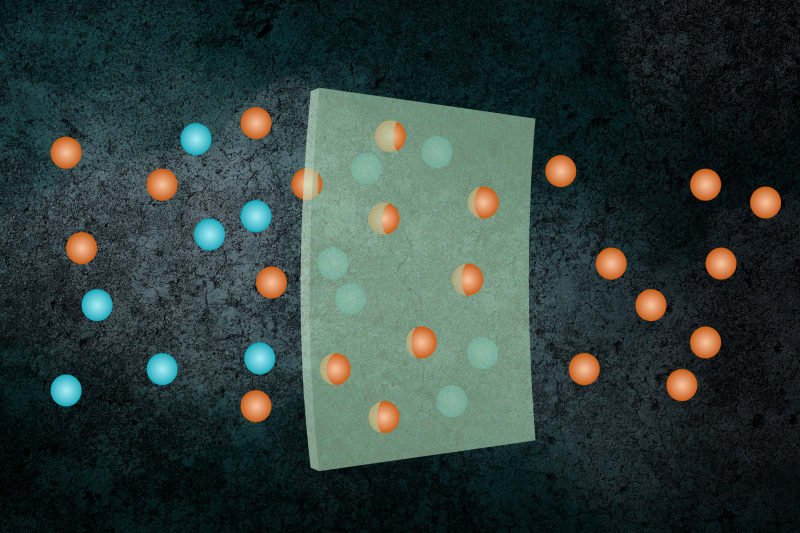
The company Osmoses, founded by MIT researchers, developed special membranes that filter gases without needing intense heat. Traditional chemical production relies on boiling off unwanted materials, a process that guzzles energy and creates massive carbon emissions.
These new filters work like incredibly precise sieves for some of the tiniest molecules in existence. Gases have always been the hardest substances to separate because their molecules are so small, but Osmoses cracked the code with a class of materials called hydrocarbon ladder polymers.
The team started with fundamental research in 2017, gradually improving their membranes over several years. In 2020, they broke records for gas separation selectivity, publishing their groundbreaking results in the journal Science in 2022.
Before launching their company, the researchers interviewed over 100 industry professionals to understand real-world challenges. What they discovered confirmed their technology could make a massive difference.
The Ripple Effect
The impact goes far beyond just saving energy. One study found that replacing old thermal distillation methods could cut annual U.S. energy costs by $4 billion while preventing 100 million tons of carbon dioxide from entering the atmosphere.
Osmoses is already partnering with companies to demonstrate the technology's potential. Current projects include upgrading biogas by separating CO2 and methane, recovering hydrogen from large chemical facilities, and even pulling helium from underground hydrogen wells in partnership with the U.S. Department of Energy.
The new membrane systems are also smaller than traditional equipment, making them easier to install in existing facilities and lowering costs for companies. This means businesses can boost production, cut energy use, and shrink their carbon footprint all at once.
"Chemical separations really matter, and they are a bottleneck to innovation and progress," says company cofounder Francesco Maria Benedetti. The team wanted to lead the charge rather than wait for someone else to commercialize their discovery.
The technology represents a fundamental shift in an industry where innovation has been challenging but desperately needed. By making it easier for companies to reach their revenue targets and decarbonization goals simultaneously, Osmoses is proving that environmental progress and business success can go hand in hand.
Based on reporting by MIT News
This story was written by BrightWire based on verified news reports.
Spread the positivity!
Share this good news with someone who needs it