MIT Startup Cuts Retail Inventory Hunting by 50%
Retail workers spend half their shifts searching for misplaced items, but MIT-invented tech now pinpoints every product's exact location. Cartesian Systems is already deployed in 700+ stores across 15 countries, saving millions in lost time.
That 20-minute wait for a store associate to check if your size is in the back could soon be history.
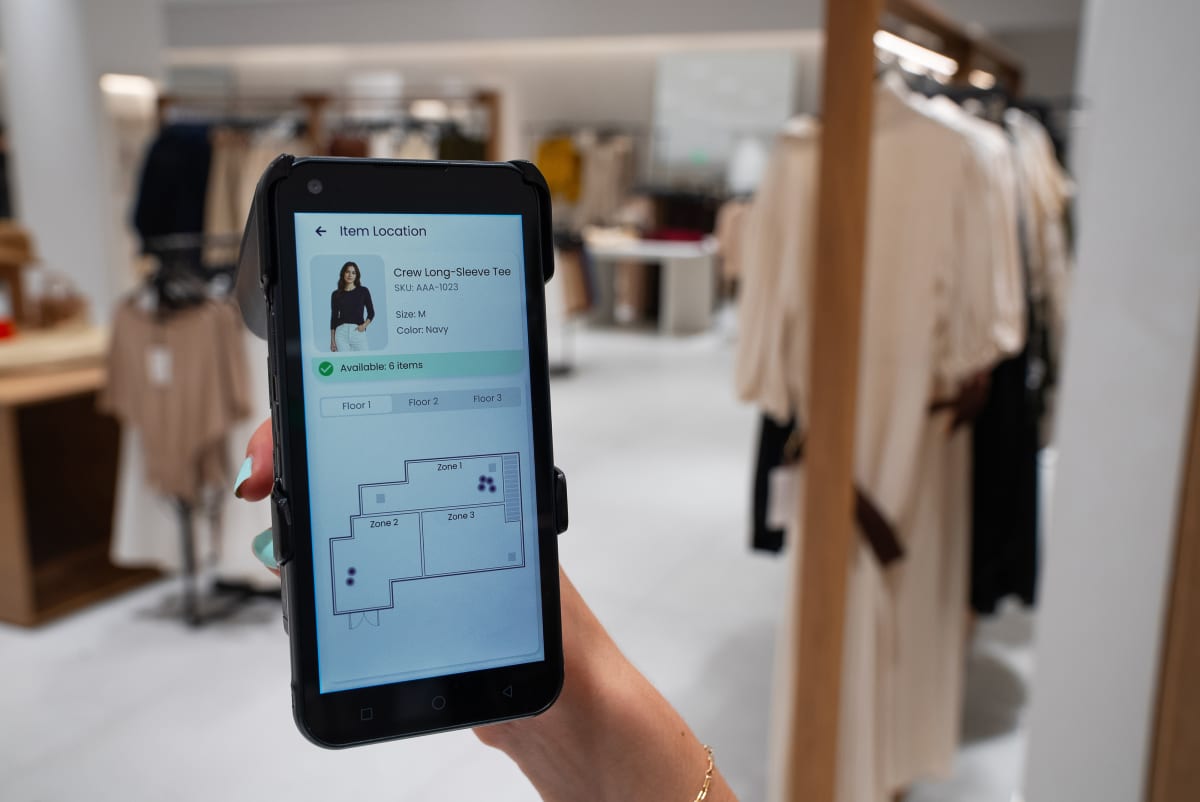
Cartesian Systems, a startup born from MIT research, has cracked one of retail's most expensive problems: finding stuff. Using wireless signals from tiny radio frequency identification (RFID) tags attached to products, the system pinpoints exactly where every item sits in a store, from the stockroom to the sales floor.
The numbers tell the story. About 50 percent of retail working hours go to managing inventory. That's a $15 billion problem in the United States alone.
"The big problem we're solving is that about 50 percent of working hours in retail stores go to managing inventory," says co-founder Fadel Adib, an MIT professor who spent over 15 years studying wireless signals. "We use algorithms to decipher indoor locations using wireless signals."
Cartesian's platform is already helping workers at more than 700 stores in 15 countries, including fashion giant Inditex, the parent company of ZARA, Pull&Bear, and Oysho. A recent study with a major retailer showed the system delivered meaningful annual savings by streamlining inventory tracking and improving customer experiences.
The technology started in Adib's MIT lab, where he and co-founder Isaac Perper developed machine learning algorithms to process RFID data and translate it into precise location patterns. They originally focused on helping robots navigate indoors.
Then in 2021, Adib went through the National Science Foundation's I-Corps program and interviewed potential customers. That's when the retail inventory crisis became clear.
"Our goal was to reduce the cost of the technology to make it scalable," Adib recalls. "Isaac focused on simplifying the product, leveraging progress in machine learning, and making it fast."
The Ripple Effect
The impact extends far beyond faster customer service. When workers spend less time hunting for products, they can focus on helping customers and improving store experiences. Online orders get fulfilled faster. Shelves stay better stocked.
The technology could transform other industries too. Manufacturers, logistics operators, and robotics companies all struggle with tracking items indoors.
Adib calls it "spatial AI," the next frontier for artificial intelligence moving from the digital world into physical spaces. "That means allowing machines to perceive their environment in such a way that they can interact with it," he explains.
For now, though, the biggest win might be the simplest: no more endless searches through cluttered stockrooms, and customers getting what they need when they need it.
Based on reporting by MIT News
This story was written by BrightWire based on verified news reports.
Spread the positivity!
Share this good news with someone who needs it