MIT Tests Arctic Sensors to Track Ice and Ocean Changes
MIT researchers are building a network of Arctic sensors to monitor melting ice and underwater sounds, helping scientists understand one of Earth's fastest-changing regions. Despite blizzards and minus 25-degree temperatures, the team successfully tested new technology that could revolutionize Arctic monitoring.
Scientists are learning to listen to the Arctic Ocean, and what they're hearing tells the story of a rapidly changing world.
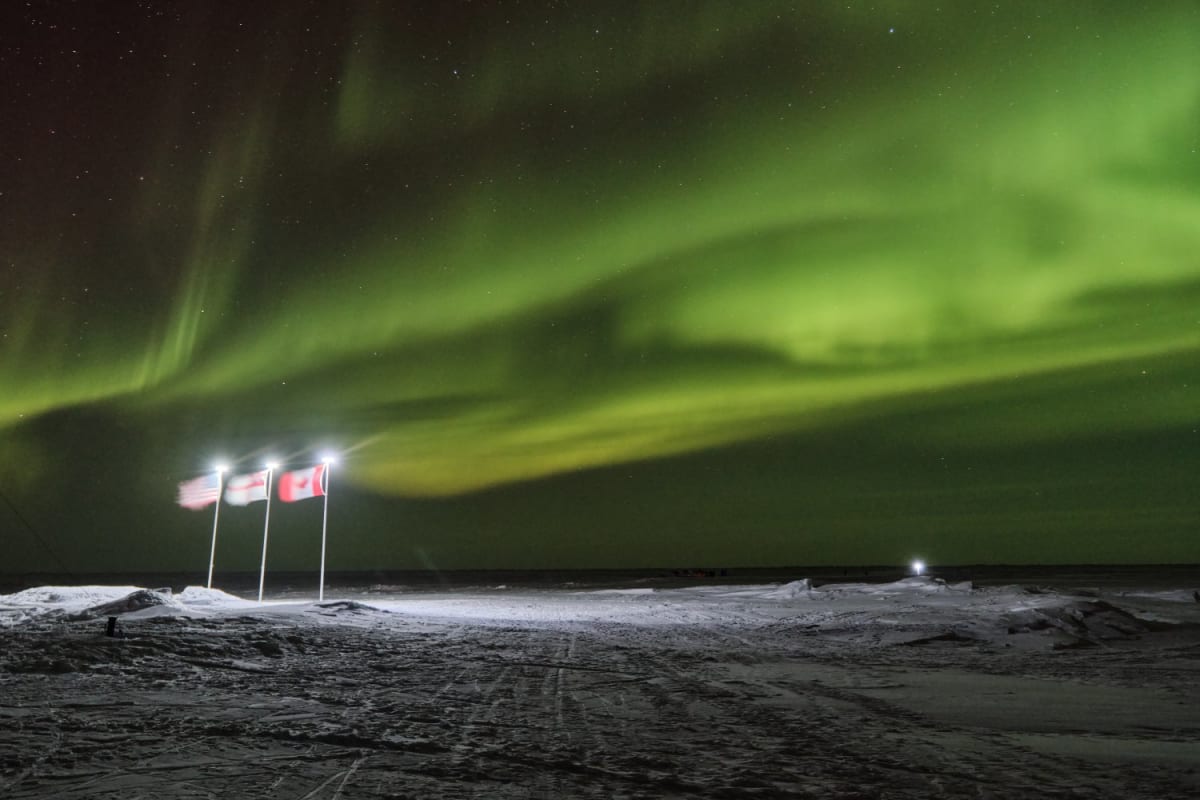
Researchers from MIT Lincoln Laboratory recently returned from Operation Ice Camp 2026, where they tested advanced sensors designed to monitor sounds and vibrations beneath Arctic sea ice. The team endured temperatures of minus 25 degrees Fahrenheit and 40 mph wind gusts to deploy equipment that could help predict ice breakup and track maritime activity in this critical region.
The Arctic is opening up as ice melts, creating new shipping routes and changing ecosystems. Understanding these shifts matters for coastal communities, wildlife, and global security.
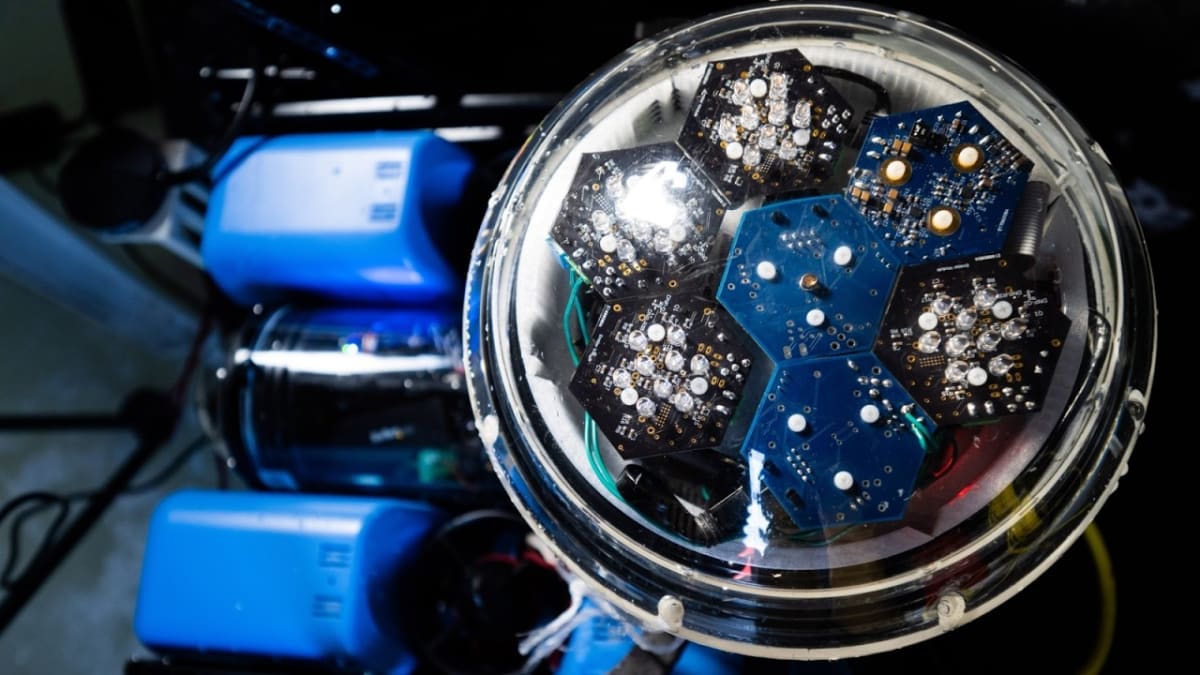
Ben Evans, who leads the research effort, explains that the underwater Arctic is surprisingly noisy. Cracking ice, singing beluga whales, and ship engines all create distinct sound signatures. By capturing these sounds with specialized sensors called geophones, researchers can learn to distinguish natural phenomena from human activity.
The team faced extraordinary challenges during their March deployment. Back-to-back blizzards created whiteout conditions so severe that visibility dropped to 100 feet. For five straight days after their arrival, not a single flight could land or take off from the temporary ice runway.
Despite the setbacks, the researchers accomplished something remarkable. They successfully tested a breakthrough communication device from Norwegian partner Havguard that transmits data through ice using magnetic fields instead of radio signals, which seawater blocks.
The team also deployed higher-fidelity geophones that captured marine mammal songs and ice fracture sounds. This data helps scientists understand how sound travels through ice and water, creating a baseline for detecting future changes.
The Ripple Effect
This research supports a bigger vision: a distributed network of affordable sensors across the Arctic providing continuous monitoring. Right now, the region lacks comprehensive observation systems despite its importance to global climate and security.
The sensor network could help coastal Arctic communities prepare for ice changes affecting their safety and livelihoods. It would give scientists unprecedented data on how quickly the Arctic is transforming. And it advances U.S. capabilities to monitor an increasingly accessible ocean region.
The work aligns with federal priorities to enhance America's ability to observe and understand Arctic systems while protecting the interests of people who call the region home.
After three weeks at Ice Camp, the team brought back valuable data and proved their technology works in Earth's harshest conditions. Their next deployment is already planned for 2028, when they'll expand the sensor network further.
The Arctic is changing faster than almost anywhere on Earth, but thanks to this research, we're finally learning to hear what it's trying to tell us.
More Images
Based on reporting by MIT News
This story was written by BrightWire based on verified news reports.
Spread the positivity!
Share this good news with someone who needs it