MIT's 2-in-1 Fuel System Launches This November
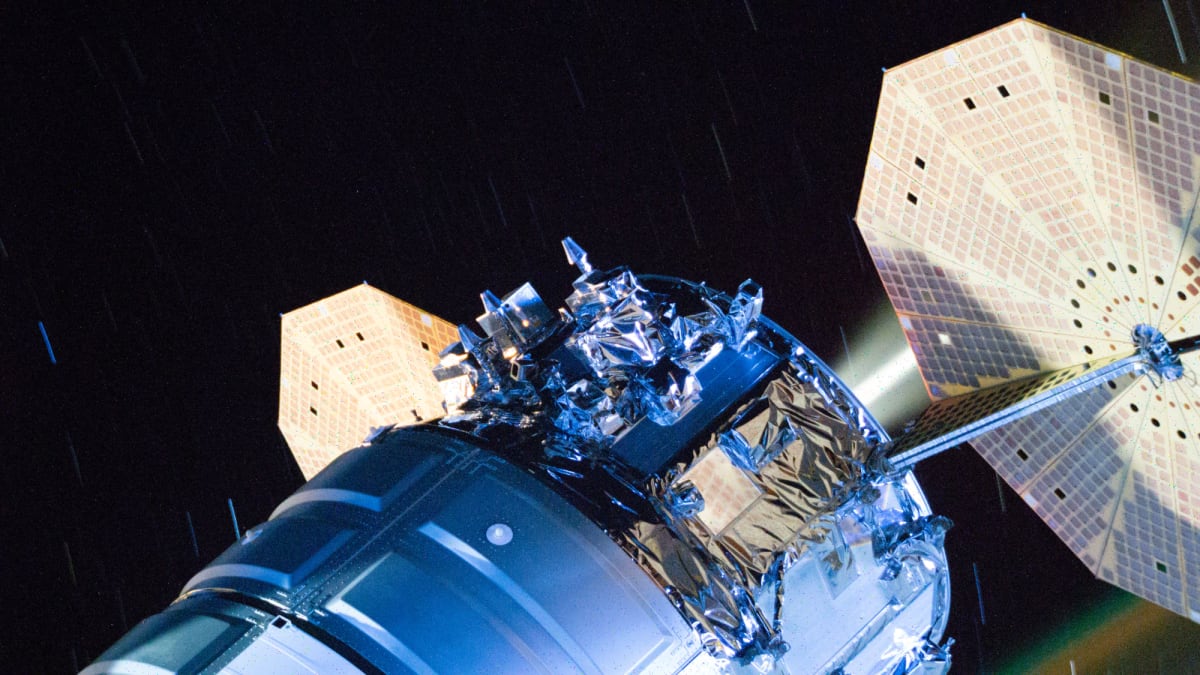
Small satellites could soon do twice as much science with half the fuel thanks to a breakthrough propulsion system. NASA is testing the game-changing technology in space later this year.
Fitting everything onto a small satellite has always meant tough choices, but MIT engineers just found a way to make those satellites punch way above their weight.
Researchers at MIT developed a propulsion system that uses a single fuel to power two different types of thrusters. Instead of carrying separate propellants for quick maneuvers and slow, steady adjustments, one green fuel now does both jobs.
The breakthrough centers on ASCENT, a safer alternative to the toxic hydrazine fuel typically used in space. The Air Force originally developed it for chemical thrusters that make big moves like orbital insertions. MIT's team discovered it also works beautifully with tiny electrospray thrusters, which make smaller course corrections over time.
"If you can have chemical and electrical propulsion in one small package, it's the best of both worlds," said Amelia Bruno, who led the study at MIT. "This opens the door for small satellites to do even more science, more observations, and more interesting missions, all on a smaller and cheaper platform."
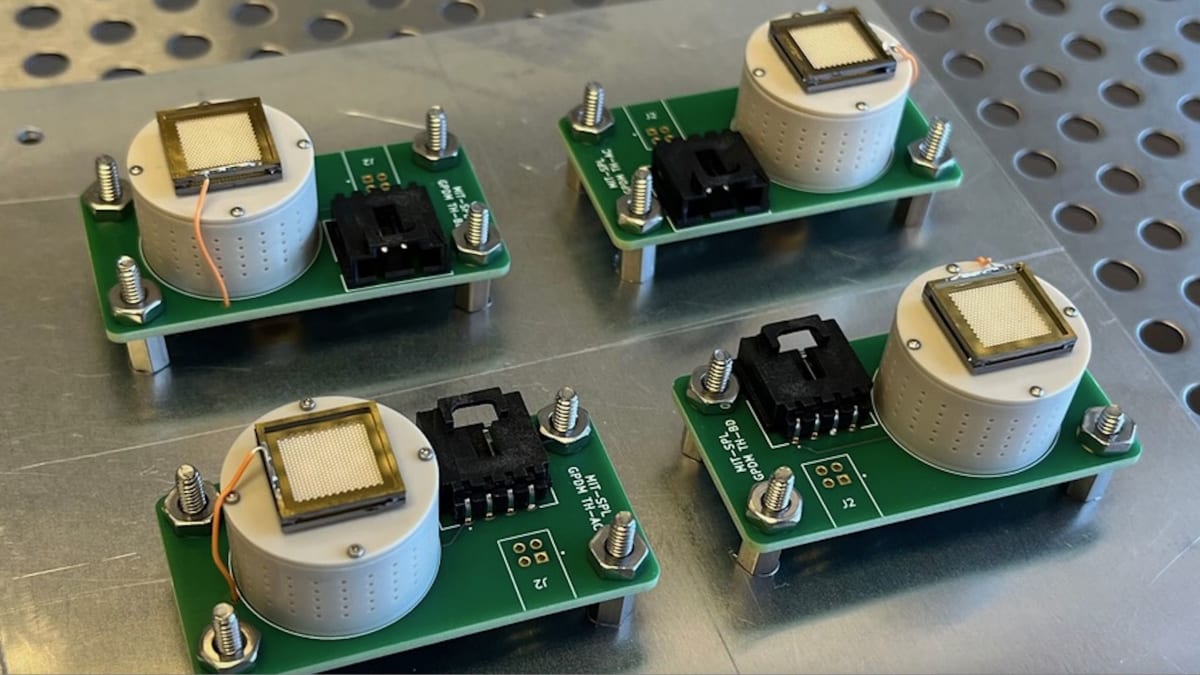
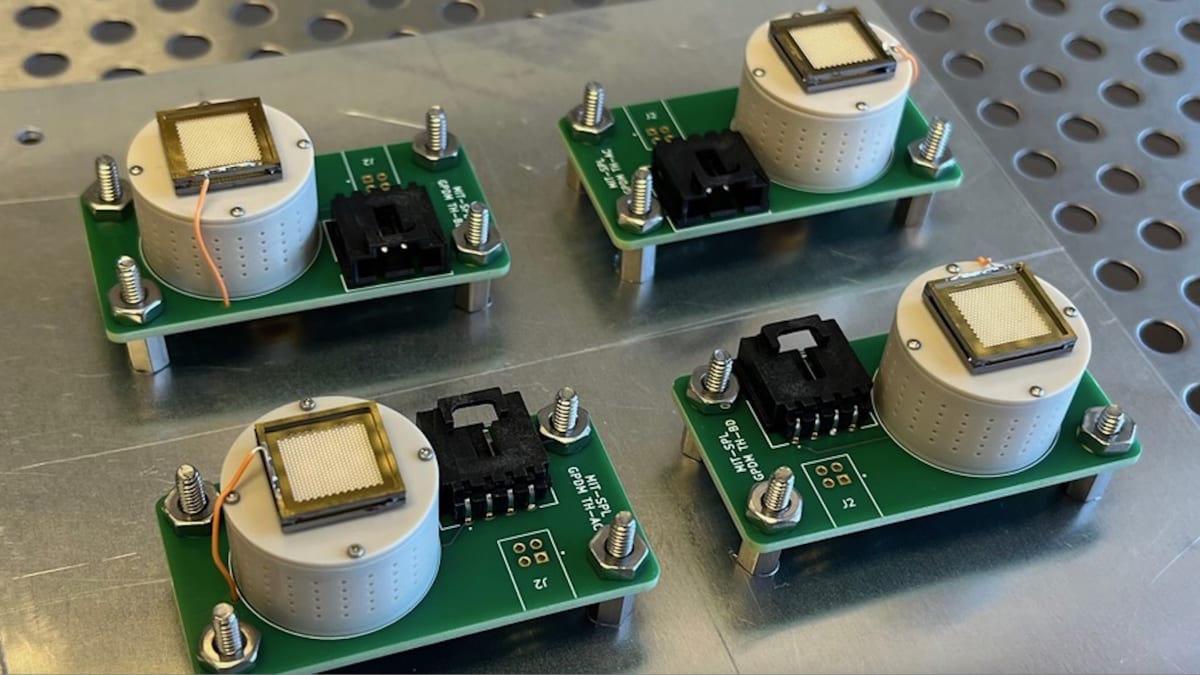
The team tested the system on Earth using a magnetically suspended model cubesat in a vacuum chamber that simulates space conditions. The electrospray thrusters, each about thumbnail to dime-sized, performed just as well with ASCENT as they did with traditional fuels.
NASA is betting on the technology. The agency's Green Propulsion Dual Mode cubesat mission launches no earlier than November to prove the system works in actual space conditions. If successful, the technology could power missions to Mars and beyond.
The Ripple Effect
The implications reach far beyond deep space exploration. Weather monitoring satellites could respond faster to developing storms, choosing to deploy quickly or slowly depending on what scientists need to observe. Emergency response teams could get better real-time data during natural disasters.
Small satellite operators will be able to pack more instruments and sensors into their spacecraft instead of filling precious space with multiple fuel systems. That means more science, better Earth observations, and lower costs for research institutions and companies alike.
The fuel itself represents another win. ASCENT is far less toxic than hydrazine, making it safer for the technicians who handle it on the ground. NASA already tested an earlier version during its 2019-20 Green Propellant Infusion Mission, proving the concept works in orbit.
Paulo Lozano, director of MIT's space propulsion laboratory, points to practical applications closer to home. Constellations of small satellites could reposition themselves efficiently to track hurricanes, monitor wildfires, or study climate patterns. The flexibility of having two propulsion modes in one package changes what's possible.
The November test flight will provide crucial data for scaling up the technology. NASA views it as essential for the agency's goals of expanding deeper into space while keeping missions affordable and efficient.
Space just got a little more accessible for scientists with big ideas and small budgets.
More Images

Based on reporting by Space.com
This story was written by BrightWire based on verified news reports.
Spread the positivity!
Share this good news with someone who needs it