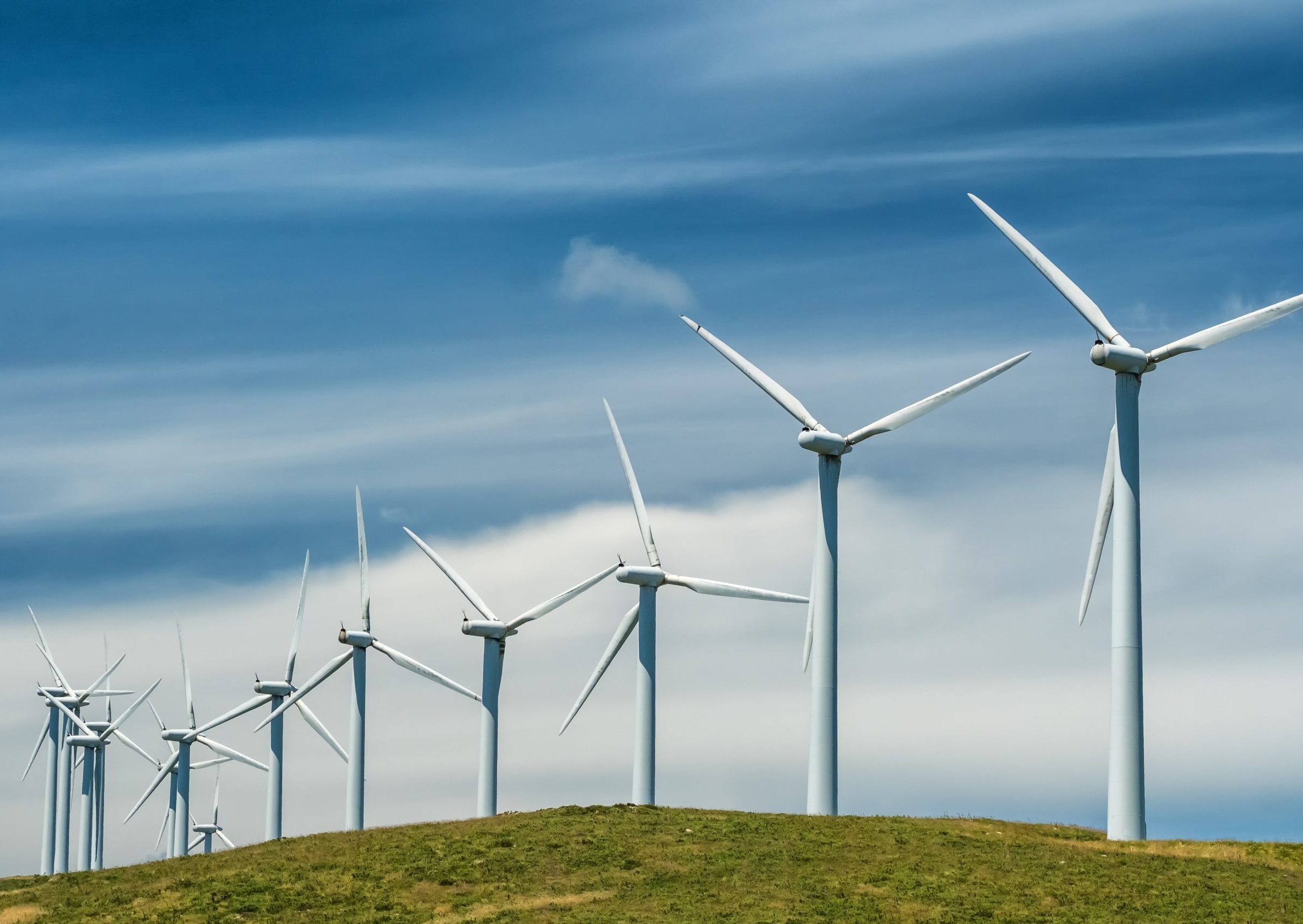
MIT's 6-Inch Turbine Model Boosts Wind Farm Energy
A pocket-sized turbine model tested in a high-pressure wind tunnel could help wind farms generate significantly more electricity. Researchers found a simple way to optimize clean power output using just an everyday laptop.
Clean energy dreams just got a massive boost from an unexpected hero measuring only six inches tall. Researchers from MIT, Princeton, Penn State, and Queen’s University have discovered an ingenious way to generate far more electricity from existing wind farms.
The breakthrough allows clean power operators to harvest significant surplus energy without building a single new turbine on pristine landscapes. It solves an engineering challenge that has puzzled renewable energy pioneers for decades.
Testing massive wind turbines in the field is traditionally expensive, slow, and often requires temporarily shutting down active power generation. Meanwhile, traditional wind tunnels cannot replicate real-world conditions because indoor air is far too thin to simulate open-atmosphere forces.
To overcome this barrier, the engineering team placed a miniature six-inch turbine inside Princeton University's specialized High Reynolds Number Test Facility. They pressurized the air chamber to an astonishing 240 atmospheres, making the air 220 times denser than normal room air.
This hyper-pressurized environment allowed the tiny turbine to experience the exact aerodynamic pressures felt by industrial giants towering hundreds of feet high. Suddenly, the scientists could accurately measure how subtle shifts in wind direction impact energy capture at full scale.
During the tests, the team uncovered critical adjustments in blade-tip speeds and turbine alignment angles that unlock immediate increases in electricity output. By slightly altering how blades meet incoming gusts, wind farms can eliminate energy losses and capture hidden reserves of clean electricity.
This discovery also closes a stubborn gap between theoretical computer models and actual outdoor performance. Instead of guessing how wind patterns behave across sprawling fields, grid managers now hold verified physical data to guide their daily operations.
Best of all, engineers do not need costly supercomputers to implement these findings in the real world. Any wind farm technician can run these exact performance optimizations on an ordinary laptop computer.
The Ripple Effect
Worldwide installed wind capacity is projected to surpass two terawatts by the end of the decade, and this discovery ensures every spinning blade performs at peak capability. Maximizing current facilities means local communities can power thousands of additional homes without clearing more land or disturbing wildlife habitats.
This practical solution also democratizes clean energy innovation by putting cutting-edge aerodynamic research directly into the hands of operators around the globe. When small wind farms can upgrade their output using basic office computers, the financial benefits ripple outward to electricity grids and consumers everywhere.
With simple tools and boundless human ingenuity, our collective journey toward a thriving, clean energy future is accelerating faster than ever before.
Based on reporting by Thomasnet
Building Something New? Try the BrightWire Tech Stack Advisor
Compare modern frameworks, cloud hosting, and AI tools tailored to your project budget and scale.
Spread the positivity!
Share this good news with someone who needs it