Mitsui Cuts Methane 30% in Bangladesh Rice Fields
A Japanese trading company is turning 100,000 hectares of rice paddies in Bangladesh into a massive greenhouse gas reduction project. The simple technique could help hundreds of companies meet new climate goals while boosting sustainable farming.
Rice paddies are getting a climate makeover, and the results are feeding hope for a greener future.
Mitsui & Co., one of Japan's major trading houses, just launched a groundbreaking project across 100,000 hectares of rice fields in Bangladesh. That's an area as large as Okinawa's main island, now dedicated to slashing methane emissions.
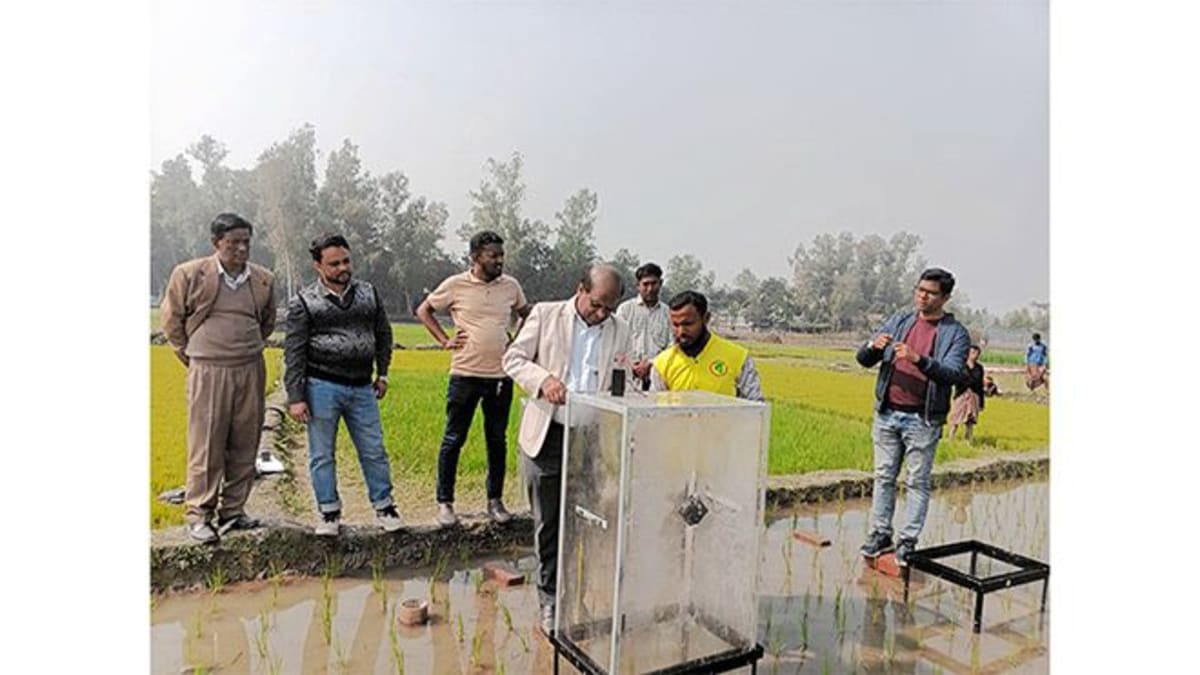
The solution is beautifully simple. Instead of keeping rice paddies constantly flooded, farmers drain and reflood the fields multiple times during the growing season. This process allows oxygen into the soil, which prevents bacteria from producing methane. The result? A 30% drop in methane emissions compared to traditional flooding methods.
Mitsui partnered with Bangladesh Bondhu Foundation, a local nonprofit with proven experience in emission reduction work. Together, they're turning these climate wins into tradable carbon credits that Japanese companies can purchase to meet their environmental targets.
The timing couldn't be better. Japan's new Green Transformation Emissions Trading System launches fully in April, requiring 300 to 400 major companies to track and reduce their carbon footprint. These businesses, spanning steel, electricity, and automobile sectors, account for 60% of Japan's total greenhouse gas emissions.
Companies exceeding their emissions limits face financial penalties, but they can also buy carbon credits to offset their impact. The market is already heating up. J-Credit prices for energy savings have nearly tripled in the past 18 months to around 4,800 yen per ton.
The Ripple Effect
This Bangladesh project shows how climate solutions can cross borders and benefit multiple communities at once. Bangladesh, a major rice-growing nation, gets support for sustainable farming practices that maintain crop yields while protecting the environment. Japanese companies gain access to verified carbon credits. And the atmosphere gets a break from methane, a greenhouse gas far more potent than carbon dioxide.
The model is already attracting attention. With many large companies needing time to implement their own low-carbon projects, experts predict strong demand for these agricultural carbon credits. Mitsui representatives say active credit trading is expected as businesses work toward their long-term sustainability goals.
The project demonstrates that sometimes the biggest environmental wins come from tweaking traditional practices rather than inventing entirely new technologies. Rice has fed civilizations for millennia, and now it's helping feed our hope for a livable planet.
Based on reporting by Google News - Emissions Reduction
This story was written by BrightWire based on verified news reports.
Spread the positivity!
Share this good news with someone who needs it