Mizoram Turns Railway Stations Spotless Without Policing
In Mizoram, passengers tie up their trash and hang it neatly for collection without any reminders or fines. What started as a messy problem at Sairang station has become a daily habit that's transforming towns across the state.
When Sairang railway station opened its doors, trash piled up within 24 hours. Today, passengers quietly tie their waste in small bags and hang them for easy collection, transforming what was once a messy problem into a model of civic responsibility.
No announcements blare over loudspeakers. No officials patrol with fines or warnings. Instead, passengers across Mizoram simply manage their own trash as naturally as checking their tickets.
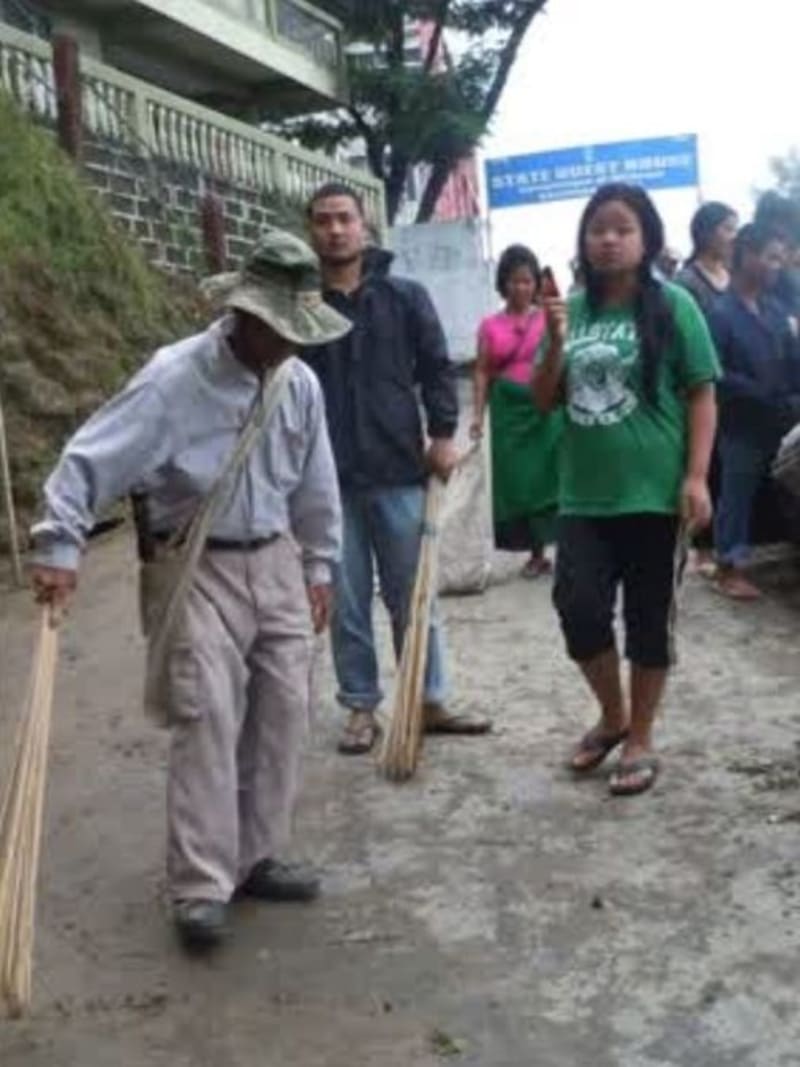
The transformation didn't happen by accident. The Young Mizo Association led the charge in the early 2000s, organizing street cleaning drives and teaching kids about waste management. They guided households through segregation and supported community events that made civic responsibility feel less like a chore and more like caring for a shared home.
Their approach worked because it focused on habit, not punishment. When people feel ownership over their spaces, they protect them naturally.
Biate proves the power of this philosophy. This town of under 2,500 residents became Open Defecation Free in 2016 and earned the title of Mizoram's cleanest town just one year later. The secret wasn't stricter enforcement but engaged residents who chose to care.
Even in Aizawl, the state capital, the difference is visible. Litter rarely dots the streets, honking stays minimal, and women walk freely at night. These aren't small victories—they're signs of communities that prioritize respect and safety in everyday life.
The Ripple Effect
Clean railway stations might seem like a modest achievement, but they reveal something bigger. When civic sense becomes habit, it transforms more than just physical spaces—it builds trust between neighbors and pride in public areas.
Other Indian states struggle with littered trains and messy markets despite repeated campaigns. Mizoram shows that sustainable change comes from culture, not coercion. When communities invest in teaching rather than punishing, respect for shared spaces becomes second nature.
The model is simple enough to replicate anywhere. Start with education, especially among young people. Make waste management easy to follow. Support community organizations that bridge the gap between individual action and collective benefit.
Clean spaces aren't built overnight—they're built every day by ordinary people who choose to care.
Based on reporting by The Better India
This story was written by BrightWire based on verified news reports.
Spread the positivity!
Share this good news with someone who needs it