
Mizoram's Secret to Spotless Trains and Streets
While trains across India struggle with litter, Mizoram's railways stay spotless. The secret isn't stricter laws but an ancient value called Tlâwmngaihna.
Find uplifting stories about heroes, innovations, and solutions
19 results for "mizoram"
While trains across India struggle with litter, Mizoram's railways stay spotless. The secret isn't stricter laws but an ancient value called Tlâwmngaihna.
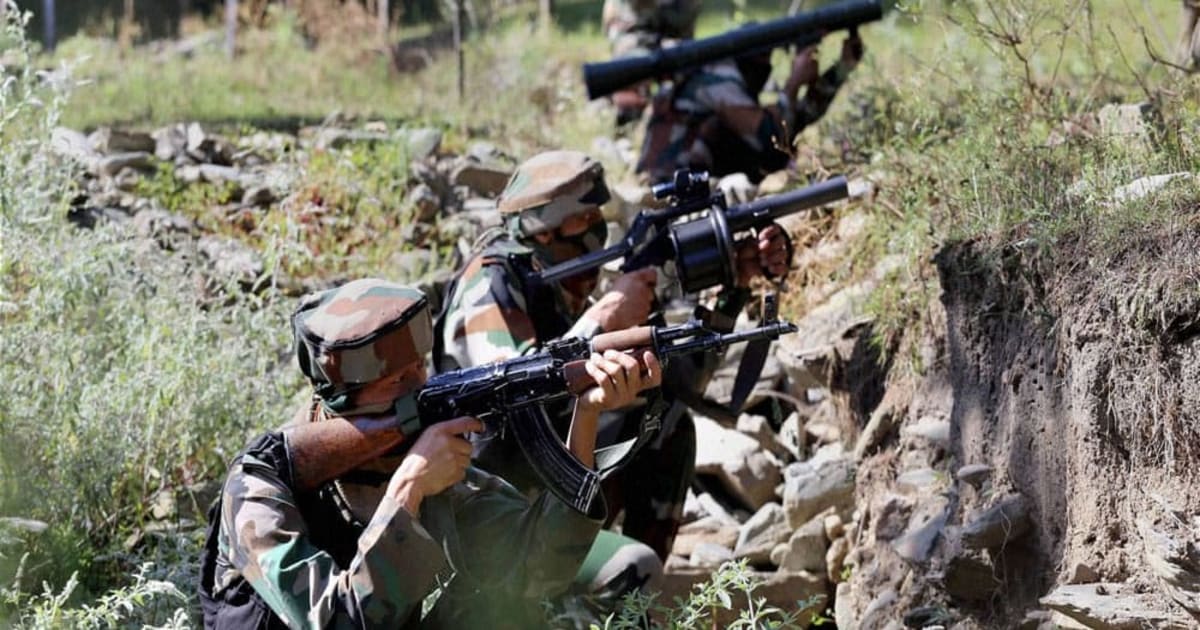
India's Mizoram state has officially ended decades of armed conflict after its last militant group surrendered weapons under a peace agreement signed April 14. The northeastern state now joins a growing list of regions transforming conflict into collaboration.

After more than 30 years of conflict, Mizoram has officially ended its last active insurgency with a historic peace agreement that brings 43 fighters home. The deal promises development, cultural recognition, and lasting peace for the Hmar community in northeastern India.
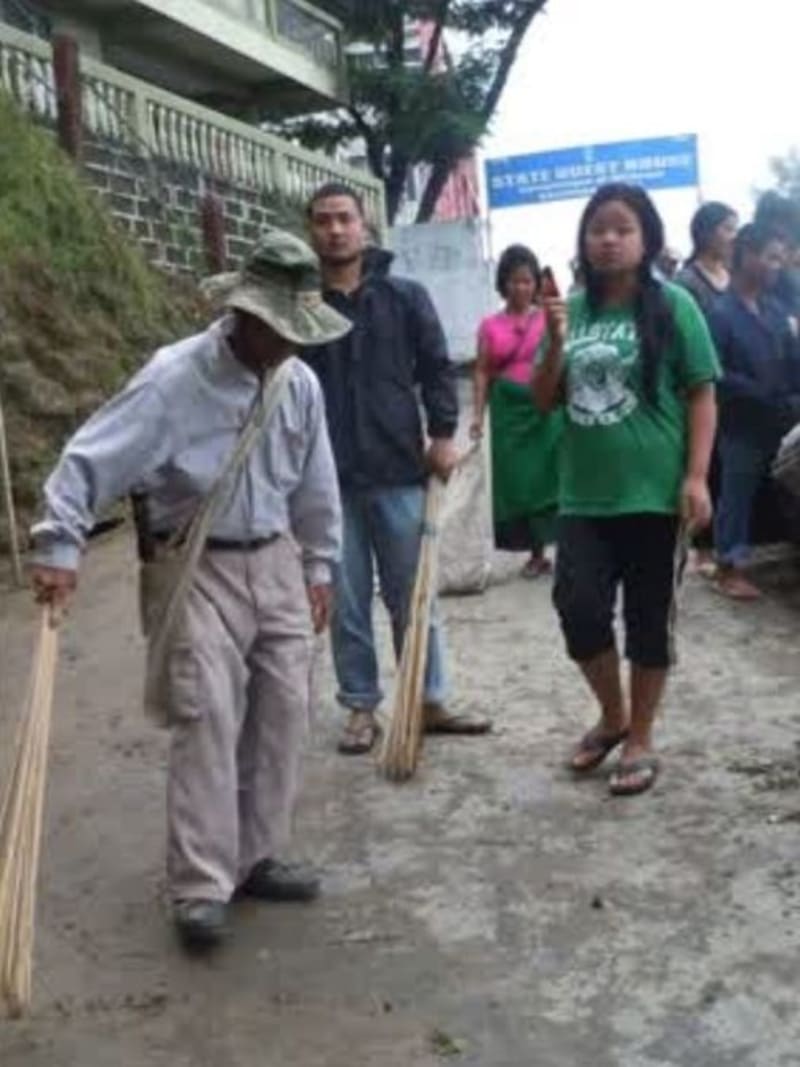
In Mizoram, passengers tie up their trash and hang it neatly for collection without any reminders or fines. What started as a messy problem at Sairang station has become a daily habit that's transforming towns across the state.

After more than three decades of conflict, Mizoram has signed a historic peace agreement with its last active militant group, officially ending insurgency in the Indian state. Forty-three fighters will lay down their weapons and rejoin society this month.

India's Mizoram state will sign a historic peace agreement on April 14 with its last remaining militant group, bringing complete peace to the region after four decades of conflict. Forty-three former insurgents will transition to civilian life as the agreement closes a chapter that began in the mid-1980s.

After nearly four decades of conflict, Mizoram is signing a peace agreement with the last remaining Hmar militant faction, bringing 43 fighters home for good. The April 14 ceremony marks the final chapter of an insurgency that began in the late 1980s.
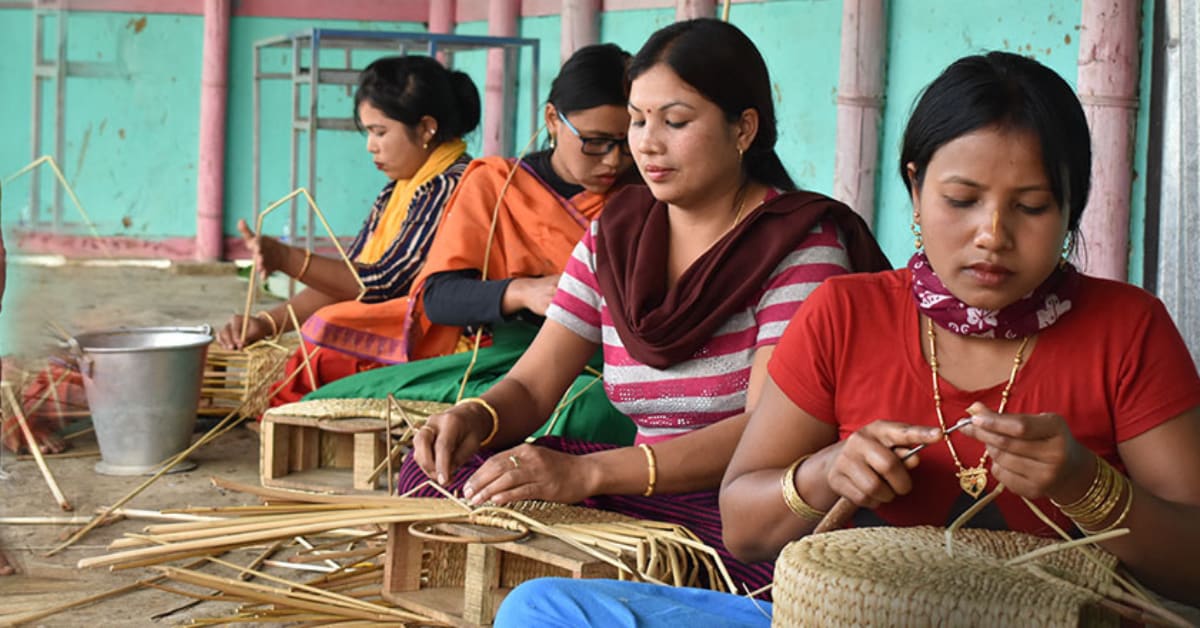
Debongshi Chakma turned her community's heritage into sustainable income for hundreds of women in rural Mizoram. Her collective proves traditional crafts can create modern livelihoods while preserving indigenous culture.

Israel launched Operation Wings of Dawn to bring 240 members of the Bnei Menashe community home to Tel Aviv from Mizoram. The historic airlift marks the largest single journey for this ancient Jewish community reconnecting with their ancestral homeland.

Researchers discovered a striking new plant species in Mizoram's misty mountains that looks like a cobra but blooms like a flower. The whip-tailed lily, found near Tlangpui Peak, showcases India's incredible biodiversity and the importance of local conservation efforts.
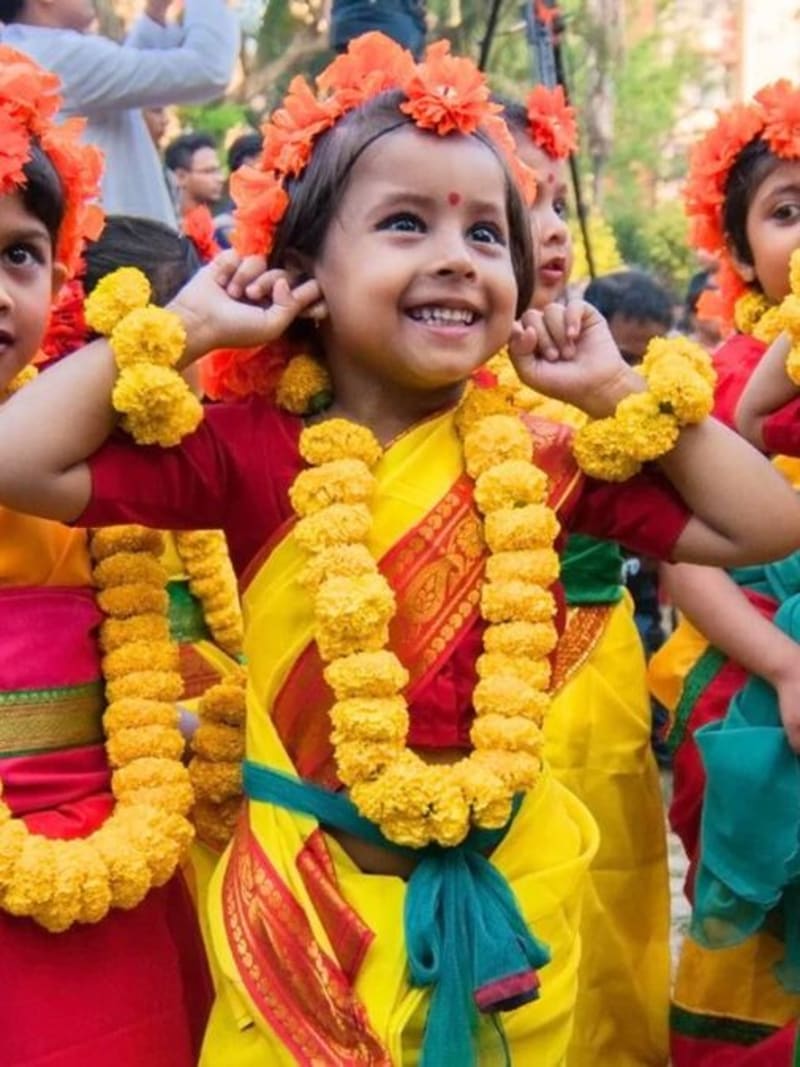
While Holi gets global attention, eight stunning regional festivals across India welcome spring with flower offerings, bamboo dances, and centuries-old harvest rituals. These vibrant celebrations prove that India's cultural tapestry runs far deeper than most travelers ever see.

In Aizawl, drivers follow lanes perfectly, never honk, and respect pedestrians without any heavy policing. Northeast India is quietly showing the rest of the country what civic sense looks like when communities care. #
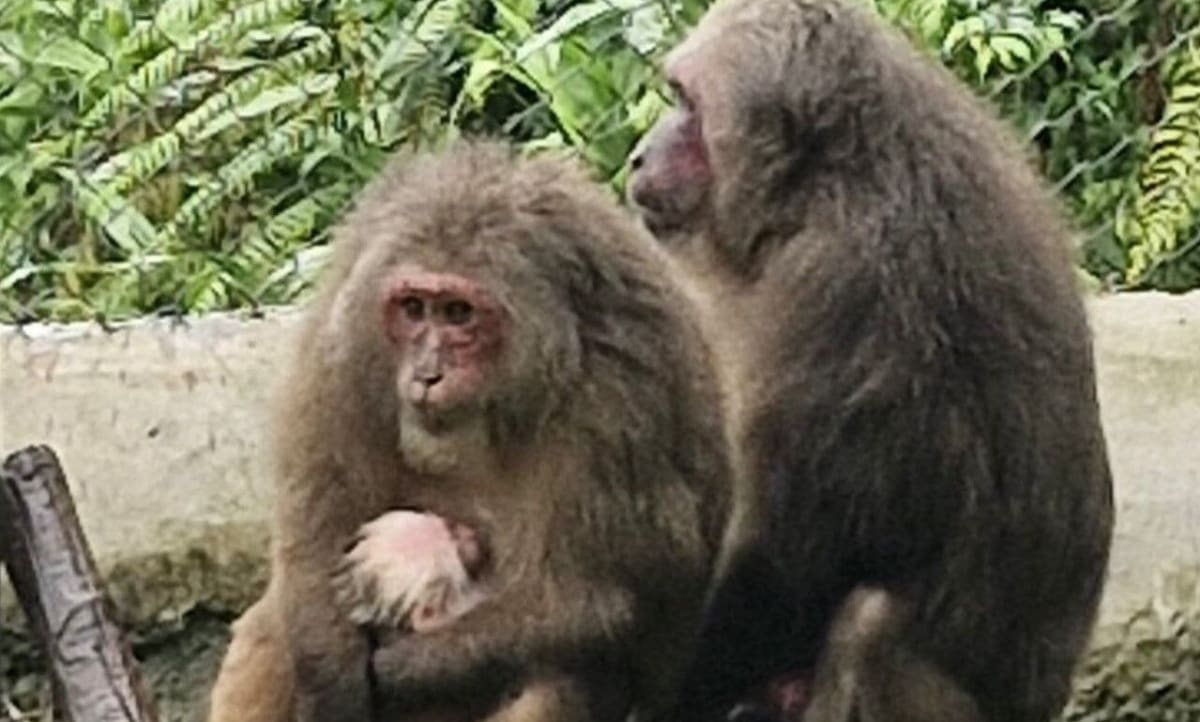
A vulnerable stump-tailed macaque gave birth at Meghalaya State Zoo, the first successful breeding of this threatened species at the facility. The milestone shows how modern zoo management can help protect animals facing extinction.

Three friends launched DigiQure to bring doctors to rural India for just one rupee per day. The startup has already served over 20,000 people in villages where medical care was once out of reach.

An Indian Police Service officer who failed 24 college courses and scored just 34% in high school now inspires millions with his comeback story. Sameer Sharma's journey proves that academic struggles don't define your future.
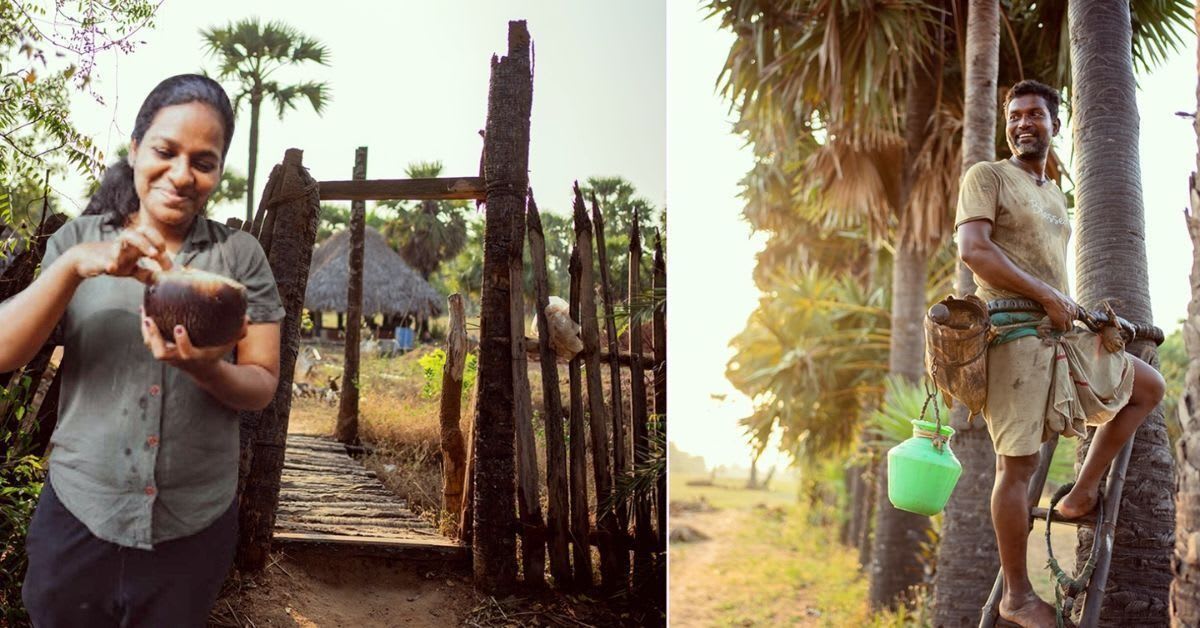
A 30-year-old researcher in Tamil Nadu is saving an ancient profession by turning palmyra tree climbers into tourism entrepreneurs. Her trails are creating new income for communities whose average age is 70.

India's 2026 budget introduces a Buddhist Circuit connecting six northeastern states to boost tourism and preserve ancient heritage sites. The initiative aims to transform overlooked regions into thriving pilgrimage destinations.
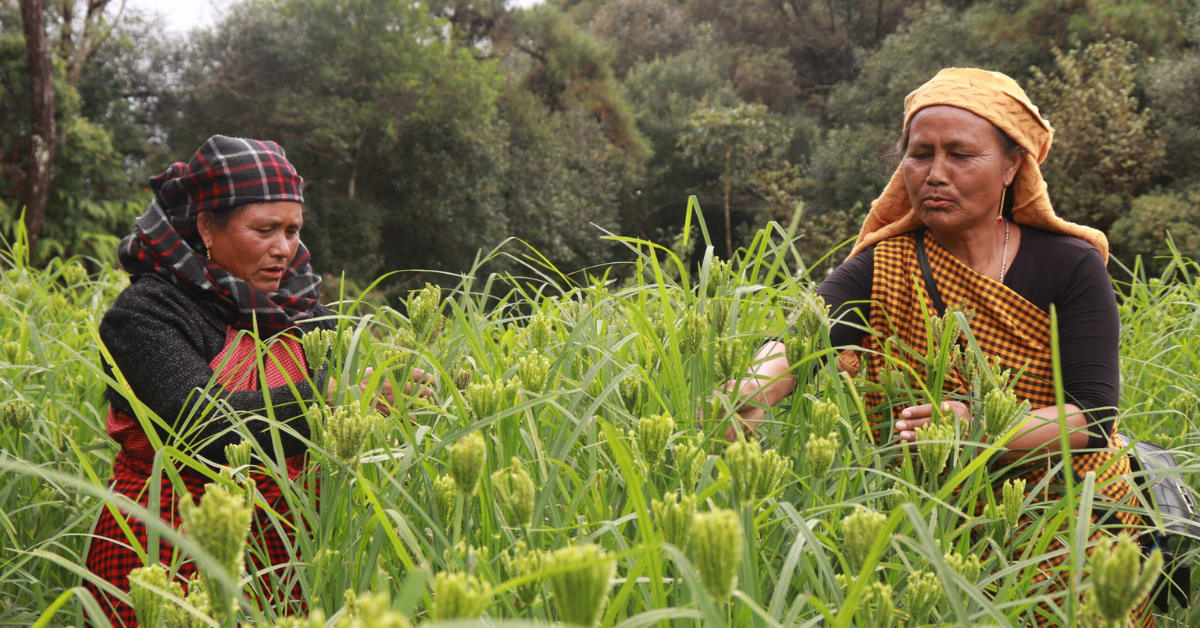
Indigenous communities in Northeast India have preserved millet farming traditions for centuries, long before the grains became recognized as climate-smart superfoods. A new study documents how 90 farmers across Nagaland and surrounding regions maintain over 20 millet varieties through festivals, traditional agriculture, and ancestral knowledge.

In Assam, Sumi Borah and her mother keep alive centuries-old sustainable cooking methods using smoked meats, fermented bamboo, and foraged herbs. Their kitchen reveals how Indigenous communities practiced zero-waste eating long before it became trendy.