Moon and Jupiter Team Up in Tonight's Sky Show
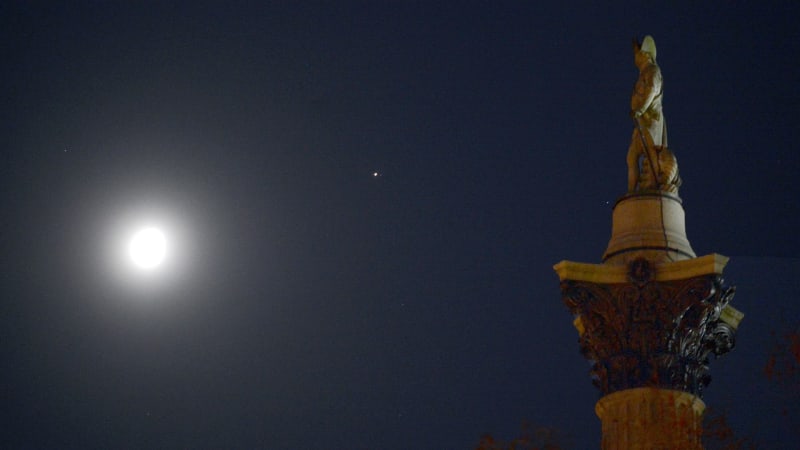
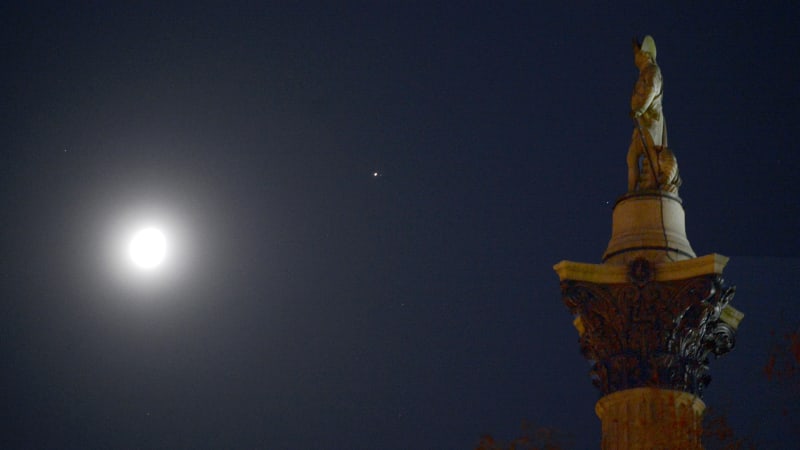
The near-full moon and brilliant Jupiter will appear side by side in the eastern sky tonight, offering skygazers a stunning celestial display visible with the naked eye. No telescope needed to enjoy this cosmic pairing, though binoculars will reveal even more wonder.
Step outside at sunset tonight and look east to witness the moon and mighty Jupiter sharing the stage in what promises to be one of January's most beautiful sky shows.
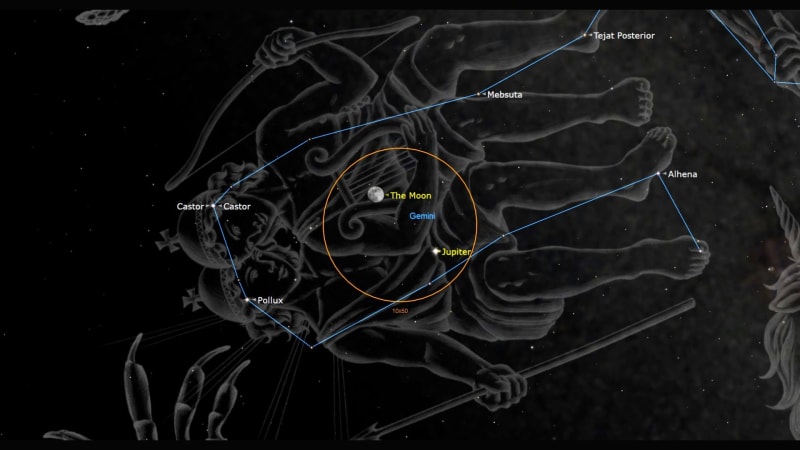
The moon, glowing at 97% brightness, will appear full to the naked eye, sitting just a few finger widths away from Jupiter in the constellation Gemini. Jupiter will shine like a steady evening star to the lower right of the lunar disk, impossible to miss even from light-polluted cities.
The timing couldn't be better. Jupiter reached its peak brightness for the year on January 10 and still looks spectacular, while the moon approaches its full phase on February 1. Together, they'll create a dazzling pair that will climb high overhead as the night progresses.
If you have binoculars lying around, tonight's the perfect excuse to dust them off. Even basic 10X50 binoculars will reveal the dark seas and craters on the moon's surface, plus bright streaks of material called ejecta rays. These reflective deposits were scattered millions of years ago when asteroids slammed into the moon, creating the massive impact basins we still see today.
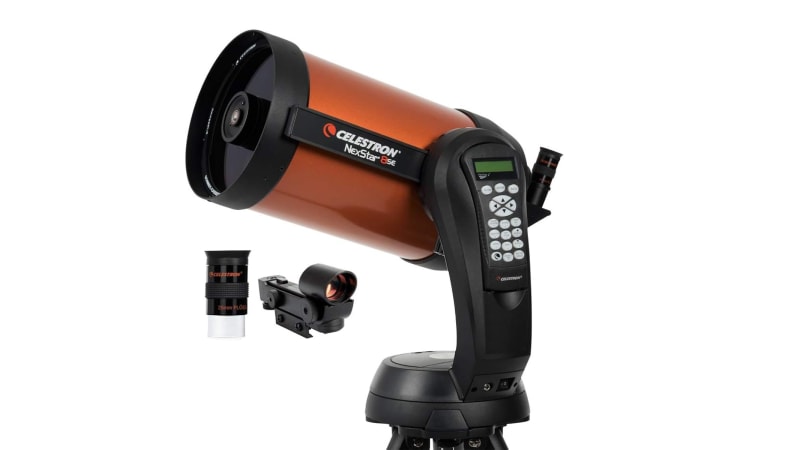
Got a telescope? You're in for an even bigger treat. A six-inch or larger telescope will show Jupiter's swirling cloud bands and its four largest moons, Io, Europa, Ganymede, and Callisto, lined up like tiny pearls to the right of the planet.
The Bright Side: This celestial show requires zero equipment, zero expertise, and zero travel to some remote dark sky location. Whether you're in a bustling city or quiet countryside, whether you glance up for 30 seconds or spend an hour stargazing, the universe is putting on a free show for everyone tonight. It's a gentle reminder that some of nature's most spectacular moments are accessible to anyone who simply looks up.
The pair will remain visible throughout the night before setting in the west just before dawn on January 31.
More Images

Based on reporting by Space.com
This story was written by BrightWire based on verified news reports.
Spread the positivity!
Share this good news with someone who needs it