Morocco Uncovers New 100-Million-Year-Old Dinosaur Species
Moroccan researchers have discovered a completely new species of herbivorous dinosaur in the country's Eastern Region, marking a groundbreaking moment for African paleontology. The 100-million-year-old find is now being studied using cutting-edge 3D technology before becoming a museum centerpiece.
A team of Moroccan scientists just made history by unearthing an entirely new dinosaur species from the ancient sands of Eastern Morocco. The discovery confirms what researchers have long suspected: this region was once a thriving habitat for massive prehistoric creatures over 100 million years ago.
The fossilized skeleton was discovered in Tendrara by researchers from Mohammed I University in Oujda, working alongside international experts. Years of careful excavation were required to safely extract the delicate bones from the earth using specialized preservation techniques.
"This discovery is unprecedented for the region," a faculty source told SNRTnews. "It reflects the rich fossil heritage of Eastern Morocco, an area that continues to hold untapped secrets regarding the history of life on Earth."
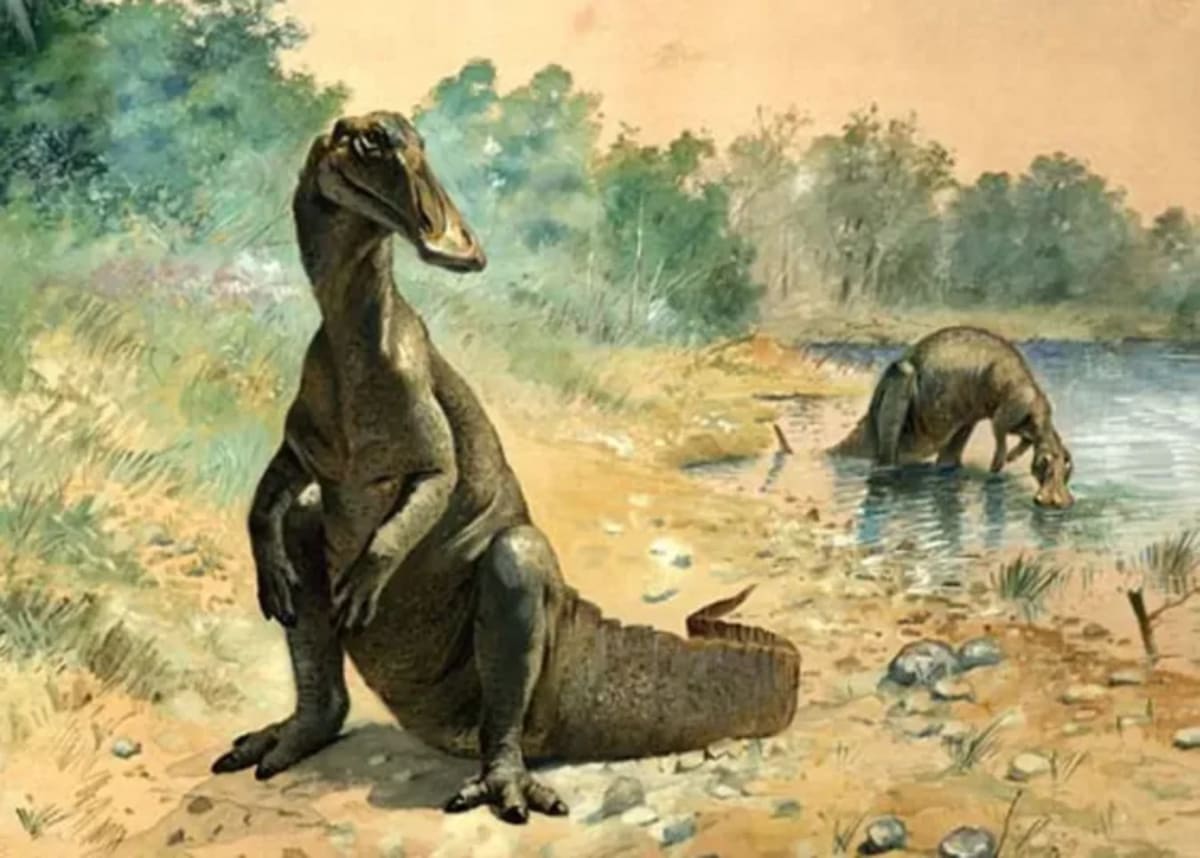
Initial analysis reveals the dinosaur belonged to the herbivorous family, a significant addition to Morocco's paleontological record. While the country is famous worldwide for its "River Giants" and predatory theropods, this plant-eating species fills critical gaps in understanding the complete ecosystem of ancient Morocco.
The research process itself showcases how far science has come. The team is using advanced 3D scanning technology to reconstruct the fragile skeleton piece by piece, creating digital models that help preserve every detail.
Scientists are also analyzing bone density and comparing physiological characteristics to place this new species accurately within the dinosaur family tree. Perhaps most fascinating, they're studying the sediment surrounding the bones to reconstruct the climate and plant life of the Cretaceous period.
Professor Lahbib Boudchiche, who leads the project, emphasizes patience despite the excitement. The team is preparing their findings for international scientific publication, ensuring every detail is thoroughly documented and verified.
The Ripple Effect
This discovery extends far beyond a single skeleton. Students and researchers at the University Museum of Archaeology and Heritage in Oujda will soon have access to a complete dinosaur specimen, something rare even by global standards.
The find positions Morocco as a critical location for understanding dinosaur evolution in Africa, a continent whose prehistoric past remains less studied than others. It demonstrates that local universities can lead world-class scientific research when given resources and support.
For the public, the planned museum exhibit will offer a tangible connection to a world that existed millions of years before humanity. Children in Oujda will grow up with a dinosaur in their hometown, potentially inspiring the next generation of Moroccan paleontologists.
The skeleton stands as proof that Earth still holds countless secrets waiting to be discovered, even in places we think we know well.
Based on reporting by Morocco World News
This story was written by BrightWire based on verified news reports.
Spread the positivity!
Share this good news with someone who needs it