Morocco Unveils AI Strategy to Lead Digital Growth in Africa
Morocco is building AI tools designed specifically for African and Arab languages and cultures, aiming to share digital solutions across both regions. The country's ambitious plan combines homegrown tech innovation with regional cooperation to make government services more accessible.
Morocco is developing artificial intelligence technology tailored to African and Arab communities, marking a major step toward digital independence across both regions.
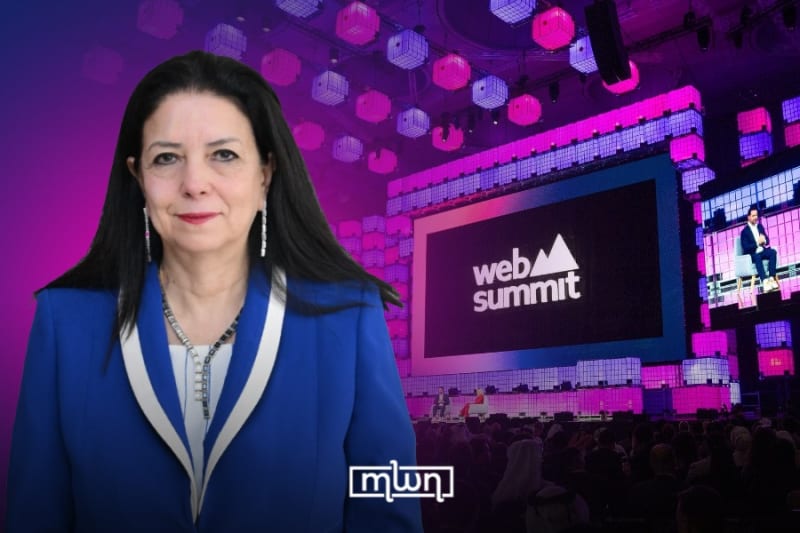
At the Web Summit Qatar conference this week, Morocco's Digital Transition Minister Amal El Fallah Seghrouchni shared how the country is using AI to transform public services while keeping local languages and cultural needs at the center. The approach focuses on creating technology that works for Moroccan citizens first, then sharing those solutions with neighboring countries.
The strategy goes beyond just upgrading government websites. Morocco is building large language models specifically designed for regional languages, creating AI tools that understand local context and culture rather than simply translating Western technology.
The country launched its "AI Made in Morocco" initiative in January, bringing together local innovators to strengthen the nation's homegrown tech talent. Morocco also partnered with the United Nations Development Programme to create the Digital Morocco Hub for Sustainable Development, which will share knowledge and technology solutions across African and Arab nations.
These digital advances rest on real infrastructure progress. Morocco rolled out 5G mobile networks last September, providing the foundation for advanced digital services and preparing the country to host major international events like the upcoming FIFA World Cup.
The government is also developing a digital wallet to make online government services easier to access, part of a broader effort to digitize public administration. Minister Seghrouchni emphasized that all these initiatives include strong protections for cybersecurity and personal data, ensuring technological progress doesn't compromise citizen privacy.
The Ripple Effect goes far beyond Morocco's borders. By developing AI models adapted to regional languages and sharing them across Africa and the Arab world, Morocco is helping ensure that communities won't have to rely solely on technology built for Western markets. This approach to technological sovereignty means more countries can offer government services in local languages with cultural understanding built in.
The Digital Morocco 2030 strategy ties together economic planning, talent development, scientific research, and training programs to create sustainable digital growth. Rather than importing foreign solutions wholesale, Morocco is building capacity to innovate locally while collaborating regionally.
Countries across Africa and the Arab world are watching Morocco's progress closely, as the model offers a path toward digital transformation that respects local identity while embracing innovation.
Morocco's vision shows that developing nations don't have to choose between technological advancement and cultural preservation.
Based on reporting by Morocco World News
This story was written by BrightWire based on verified news reports.
Spread the positivity!
Share this good news with someone who needs it