Mozambique Park Saves 160 Pangolins From Traffickers
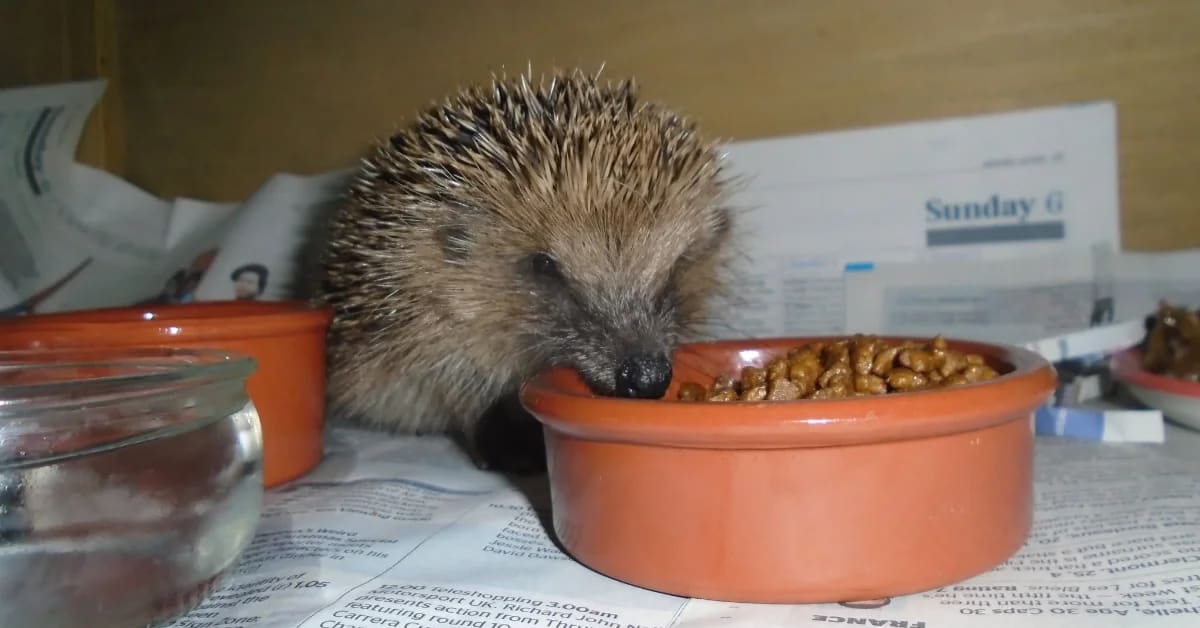
Gorongosa National Park has rescued 160 endangered pangolins from illegal wildlife traders over eight years, with help from local communities turning away from poaching. The scaly mammals, hunted nearly to extinction for Asian markets, are finding new protectors in central Mozambique.
In a victory for one of the world's most trafficked animals, a national park in Mozambique has pulled 160 pangolins from the illegal wildlife trade since 2016.
Gorongosa National Park in central Mozambique's Sofala province has become an unlikely safe haven for the endangered scaly anteater. Park administrator Pedro Muagura reports that 121 pangolins were intercepted from trafficking networks, mostly bound for export to Asia.
The remaining 39 animals came from an even more hopeful source. Local communities surrounding the park voluntarily surrendered the pangolins, recognizing that capturing them is an environmental crime.
Pangolins are the only mammals completely covered in scales, making them a target for traditional medicine markets and superstitious beliefs. In Mozambique, some people believe owning a pangolin brings good luck, creating domestic demand alongside the international black market.
The trafficking networks spread across four central provinces: Sofala, Manica, Zambézia, and Tete. A single pangolin might pass through 20 different traders and middlemen before reaching its final destination in Asia.
That complex chain of handlers actually helps park officials. Information about pangolin locations sometimes reaches Gorongosa during these handoffs, giving rangers a chance to intervene.
The Ripple Effect
The shift in community attitudes represents the real breakthrough here. When local people who once captured pangolins now surrender them instead, it signals a cultural change that no enforcement alone could achieve.
Education efforts around the park are transforming these rare mammals from symbols of luck into symbols of conservation. Communities are choosing to protect rather than profit, even when international traffickers offer money.
Each surrendered pangolin means one less animal entering a trade network that has devastated populations across Africa and Asia. The 39 voluntary surrenders show that local knowledge and values can be powerful conservation tools when communities are engaged as partners.
Gorongosa's success demonstrates that wildlife protection works best when it includes the people living closest to endangered species. Rangers can patrol, but neighbors who care make the difference.
The 160 pangolins now safe at Gorongosa represent more than rescued individuals—they're proof that minds can change and populations can recover when communities join the fight.
More Images

Based on reporting by AllAfrica - Environment
This story was written by BrightWire based on verified news reports.
Spread the positivity!
Share this good news with someone who needs it