Mozambique Scientist Saves Mangroves With Carbon Credits
Marine biologist Célia Macamo is protecting Mozambique's disappearing mangrove forests by proving their worth in the fight against climate change. Her soil sampling work generates carbon credits that pay communities to preserve these coastal lifesavers instead of clearing them for development.
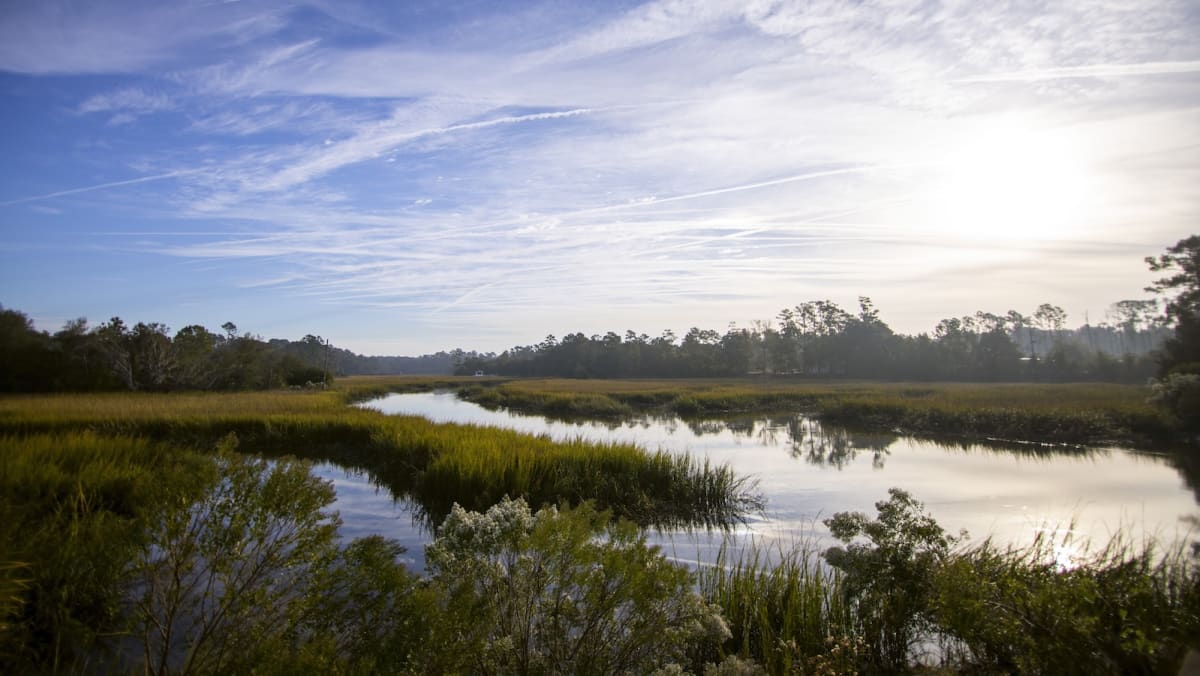
In the muddy forests surrounding Maputo, Mozambique, a marine biologist is measuring the climate solution that grows right out of the water.
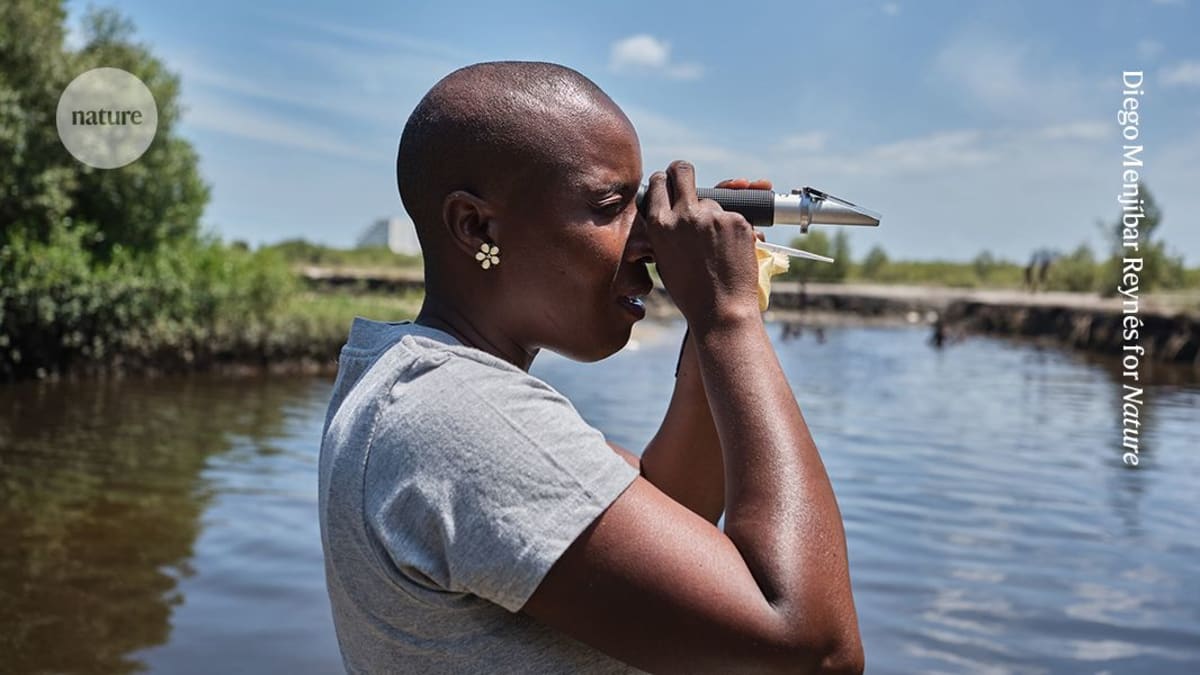
Célia Macamo from Eduardo Mondlane University spends her days collecting dark, sticky soil samples from mangrove forests. The peat tells her exactly how much carbon these unique trees trap in their roots and soil.
That data becomes carbon credits, certificates showing how much CO2 these ecosystems pull from the atmosphere. Companies buy the credits to offset their emissions, and locals get paid to protect the land instead of selling it to developers.
It's working at the perfect time. Wealthy residents are rushing to build homes in neighborhoods like Chiango, pushing right up against the wetlands. House prices are soaring, but so are the problems. The salty air corrodes structures, wood rots fast, and waterlogged ground makes foundations sink.
"People are there, fighting nature, which is a lost battle," Macamo says.
Mangroves live half in water, half on land, thriving in conditions that would kill most plants. Their aerial roots act like snorkels, pulling oxygen from the air and filtering salt so they can grow directly in seawater.
For years, people saw them as worthless swamps. Globally, mangrove cover dropped from 17.35 million hectares in 1985 to just 13.61 million hectares in 2020. They were destroyed for housing, farms, and prawn operations.
But these tangled root systems are coastal superheroes. They provide food and shelter for countless marine animals. They act as natural barriers that break up wave energy, protecting shorelines from storms and cyclones.
Macamo saw this firsthand after a cyclone hit the district of Nova Mambone. The mangroves facing the ocean died completely, absorbing the storm's full force. Behind them, some trees died but others survived. The innermost forest stayed almost untouched.
The village of Nova Mambone, protected by those layered mangroves, remained intact. Without that natural shield, the entire community would have been destroyed.
The Ripple Effect
The climate benefits reach far beyond Mozambique's coast. Mangrove soil is packed with carbon-rich material from decomposed plants and animals. These forests lock away massive amounts of CO2 that would otherwise heat the planet.
Macamo's conservation work involves measuring everything: tree height, trunk diameter, water salinity. If the water gets too salty, growth gets stunted. Shorter trees mean weaker protection against storms and erosion.
Back in her lab, she processes the soil samples by drying, weighing, burning, and weighing them again. Burning releases the trapped CO2, letting her calculate exactly how much carbon each forest stores.
At the project's nursery, hundreds of mangrove seedlings grow in neat rows, ready to restore damaged areas. Each young tree represents future storm protection, marine habitat, and stored carbon.
Communities that once saw swamps now see value worth protecting, turning the tide on decades of destruction.
More Images

Based on reporting by Nature News
This story was written by BrightWire based on verified news reports.
Spread the positivity!
Share this good news with someone who needs it