Mumbai Metro to Hit 120 km by 2026, 50 km More in 2027
Mumbai's metro network is about to explode from 80 km to over 160 km in just two years, finally delivering the east-west connections millions of commuters have waited decades for. After years of delays, the city's ambitious 337-km vision is becoming reality.
Mumbai is about to experience its biggest transit transformation in history. The city's metro network will grow from 80 km today to over 120 km by the end of 2026, with another 50 km opening in 2027.
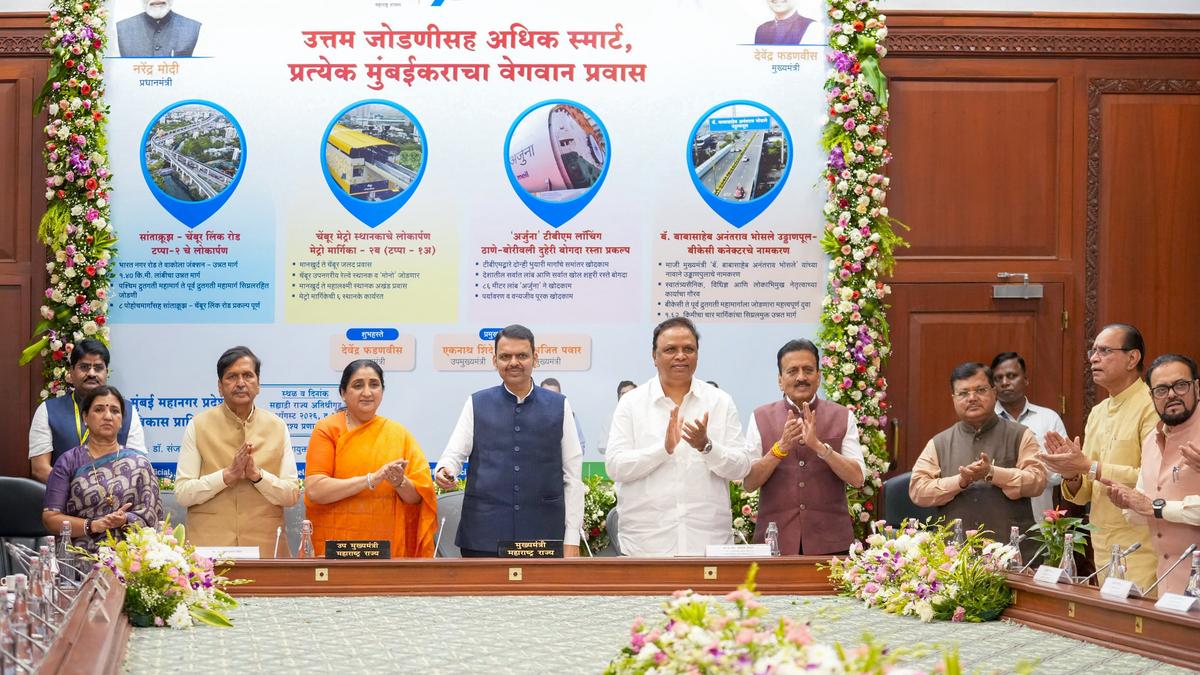
Ten kilometers of new lines open this week alone. Stations on Line 9 in Mira Bhayandar and Line 2B in the eastern suburbs will welcome their first passengers on April 3.
The real game changer comes in the next 24 months. Between 2026 and 2027, around 90-100 km of new metro lines will become operational across the city, connecting neighborhoods that have relied on congested roads for generations.
Mumbai's suburban railway carries over 7 million passengers daily, but it runs almost entirely north to south. As new business districts emerged across the suburbs, commuters heading east to west had no rapid transit option.
The metro was designed to solve that exact problem. When the Versova-Andheri-Ghatkopar line opened in 2014, it became the city's first east-west corridor through one of its busiest areas.
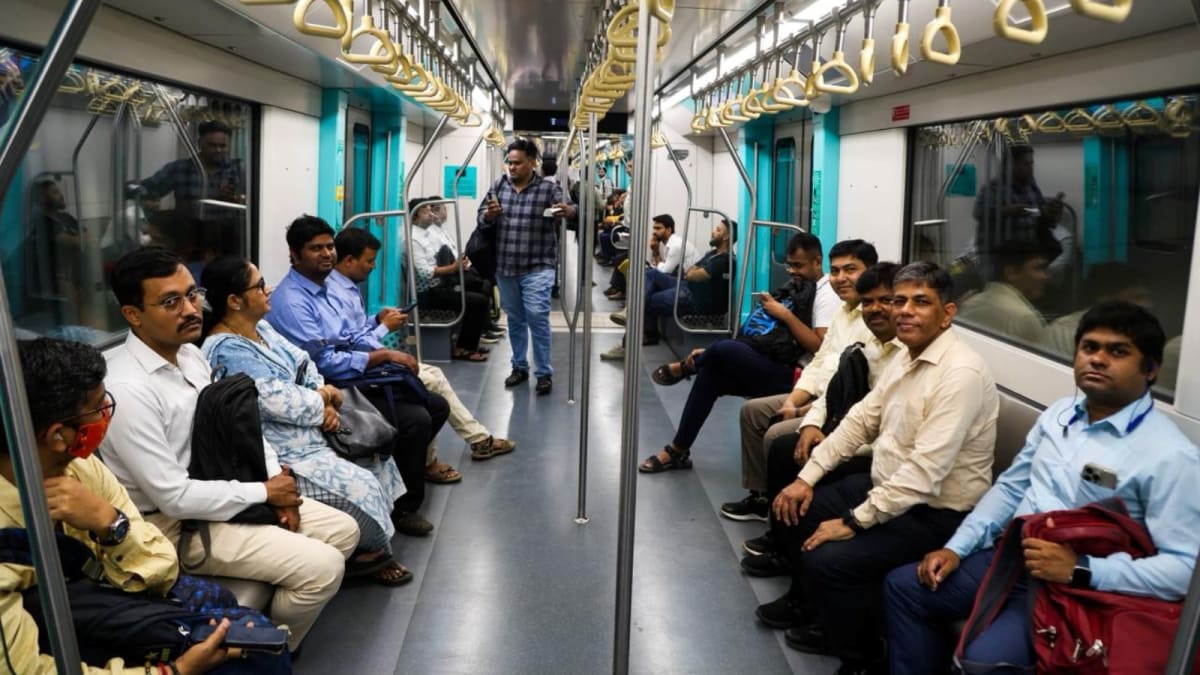
Current ridership proves the demand is real. The network now moves over one million passengers every day. Line 1 alone carries more than 500,000 daily riders, while the underground Aqua Line averages 160,000 passengers.
The expansion has been anything but smooth. The original 2004 plan aimed to complete nine lines by 2021. Land acquisition challenges, legal battles, contractor delays, and the pandemic pushed timelines back repeatedly.
But momentum is finally building. Line 7A will connect Andheri East directly to Mumbai International Airport's Terminal 2 by 2027. Lines 4 and 4A will link Wadala to Thane, while Line 6 will run from Lokhandwala to Vikhroli.
The Ripple Effect: This expansion means more than faster commutes. Reduced road congestion will cut air pollution across the city. Workers will gain back hours spent in traffic, time they can spend with family or pursuing education. Small businesses near new stations will see foot traffic increase, creating economic opportunities in neighborhoods that have felt disconnected from Mumbai's growth.
By 2027, most of Mumbai's planned metro network will be complete and running. The focus will then shift to satellite cities like Navi Mumbai, Kalyan, and Virar, extending rapid transit benefits even further.
Twenty years after the vision was first proposed, Mumbai is finally getting the connected, comprehensive metro network its 20 million residents deserve.
Based on reporting by Indian Express
This story was written by BrightWire based on verified news reports.
Spread the positivity!
Share this good news with someone who needs it