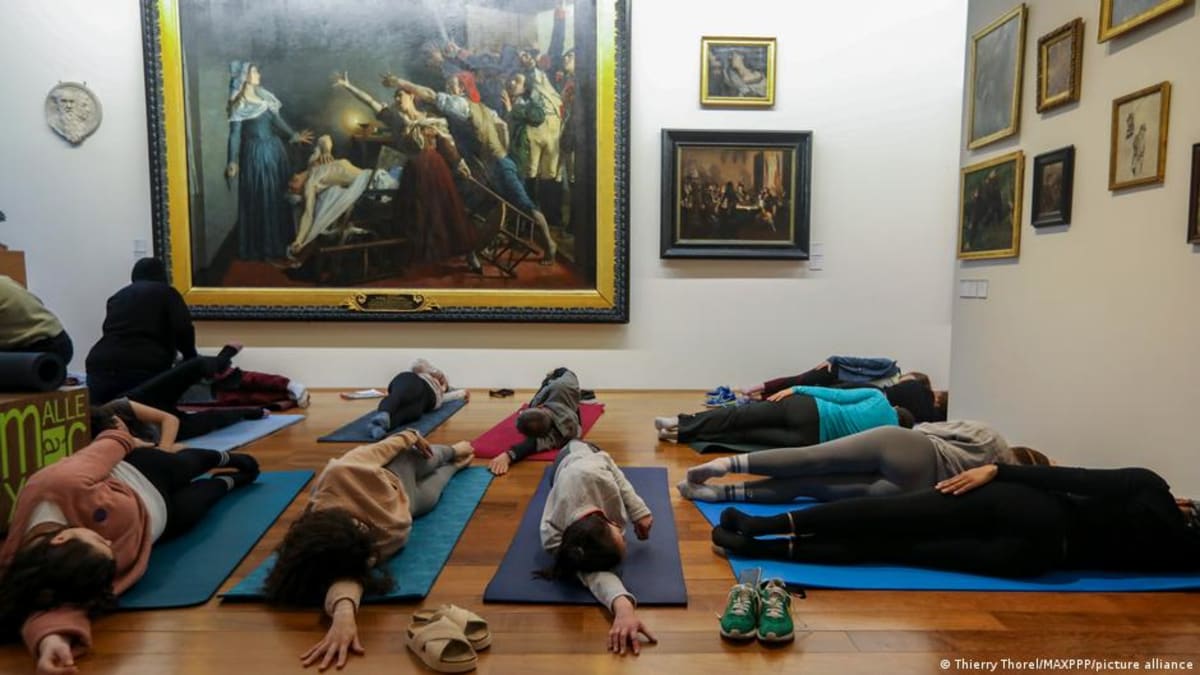
Museums Ditch Dusty Exhibits for Dance Classes and Therapy
Museums worldwide are transforming from quiet galleries into vibrant community centers offering everything from yoga to mental health treatment. The shift marks a fundamental change in how these institutions serve society, focusing on people instead of just preserving objects.
Imagine your doctor prescribing a museum visit instead of medication for depression. That's exactly what's happening as museums reinvent themselves for a new era.
Museums are no longer just places to stare at artifacts behind glass. Institutions worldwide are becoming community hubs where seniors with dementia take dance classes, health systems prescribe visits as therapy, and favela residents become the exhibits themselves.
The transformation is official. In 2022, the International Council of Museums adopted a new definition recognizing inclusivity, diversity and community participation as essential to museum work. The old definition mentioned serving society, but the new one demands involving it.
"Museums are moving from collection to connection," Julia Pagel from the Network of European Museum Organisations told DW News. She explained that museums must become social infrastructures people use, not just venues they visit.
The National Museum of Singapore now runs dance classes and discussion groups for seniors with cognitive issues, turning the institution into a lifeline for people often excluded from public life. The Hammer Museum in Los Angeles hosts poetry readings and legal expert panels on current Supreme Court cases.
The most radical example might be Brazil's Museu de Favela in Rio de Janeiro. This "living museum" considers its residents the main collection, with locals leading exhibitions, lectures and handicraft workshops that celebrate their community's culture and stories.
The Ripple Effect
This movement traces back to 1970s Latin America, where citizen-led museums first emerged. The concept of social museology followed, focusing on empowering marginalized people rather than preserving objects.
Now Europe and other regions are catching up. Programs like "museums on prescription" partner with national health systems to treat loneliness and depression through museum experiences. Funding increasingly depends on social relevance, pushing even traditional institutions to evolve.
Amsterdam's Stedelijk Museum pioneered youth participation programs, while Turkey's Seddulbahir Fortress museum runs oral history projects incorporating local voices into exhibits. These museums recognize that their value lies not in what they hold, but in whom they help.
The first public museum opened around 530 BC in Mesopotamia, curated by a priestess princess who displayed regional artifacts with multilingual labels. Twenty-five centuries later, museums are returning to that original mission: making knowledge accessible and serving their communities in meaningful ways.
More Images
Based on reporting by DW News
This story was written by BrightWire based on verified news reports.
Spread the positivity!
Share this good news with someone who needs it

)
