Museums Recreate Ancient Egyptian Scents From DNA Evidence
Scientists just figured out how to bring ancient smells back to life using molecular traces left on artifacts. Museums in Germany and Denmark are now letting visitors experience the actual aromas used in Egyptian mummification 3,000 years ago.
Imagine walking through a museum and smelling the exact fragrance that filled an ancient Egyptian temple during a burial ritual. Thanks to breakthrough work by archaeo-chemist Barbara Huber and her team at the Max Planck Institute, that's now possible.
The researchers discovered that ancient objects retain molecular fingerprints of past scents, even thousands of years later. These chemical signatures reveal what perfumes, medicines, and ritual ingredients people used in daily life.
But turning scientific data into something visitors can actually smell required a whole new approach. Huber partnered with perfumer Carole Calvez and scent storytelling consultant Sofia Collette Ehrich to bridge the gap between lab results and museum experiences.
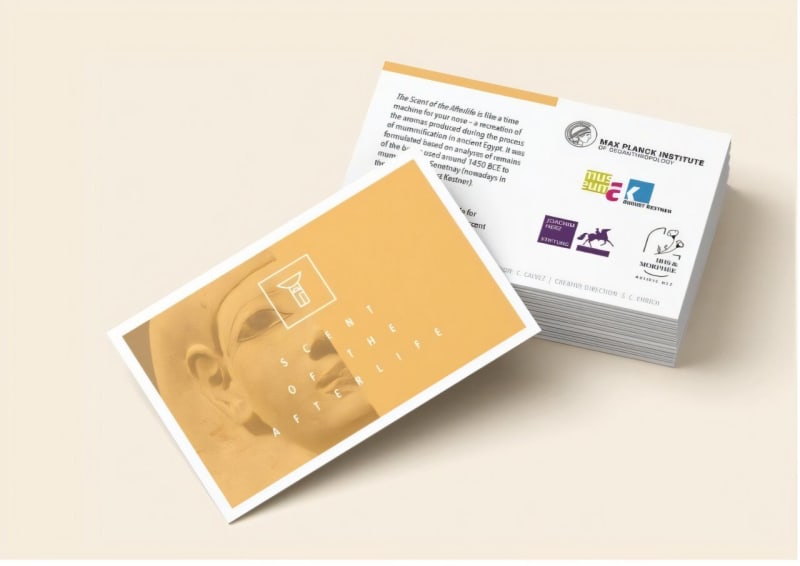
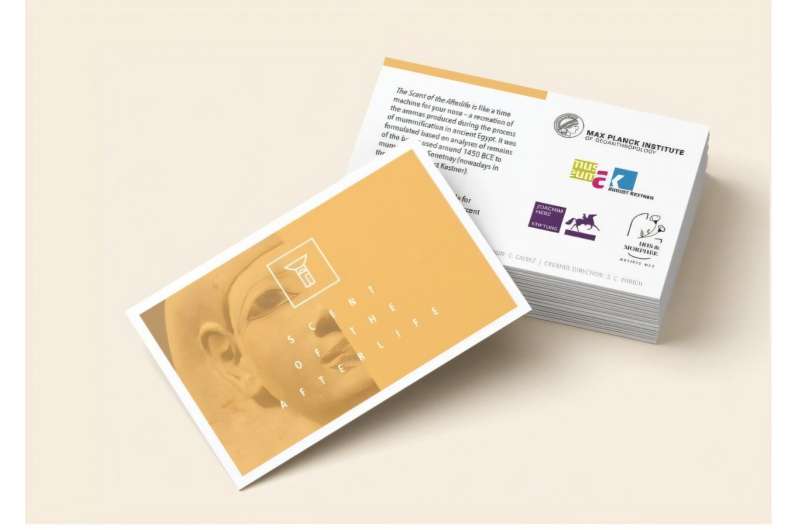
The team created "The Scent of the Afterlife," recreating aromas from the Egyptian mummification process. Calvez had to interpret chemical clues like a detective, imagining how individual molecular components combined into a complete fragrance experience.
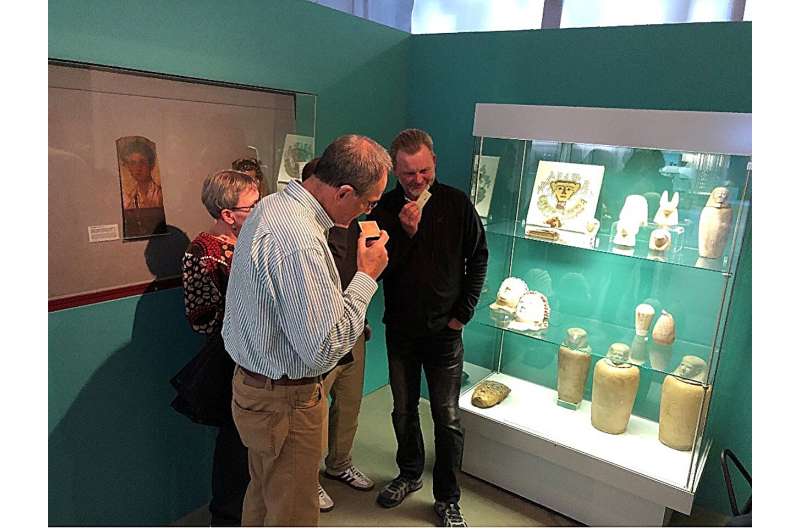
They developed two formats for sharing these ancient scents. Portable scented cards work perfectly for guided tours, while fixed scent stations integrate directly into exhibition displays.
At the Museum August Kestner in Hanover, Germany, the scented cards transformed how visitors understood mummification. Curators Christian Loeben and Ulrike Dubiel noticed something remarkable: smell shifted the conversation away from horror movie stereotypes toward appreciation of ancient Egyptian beliefs and practices.
Why This Inspires
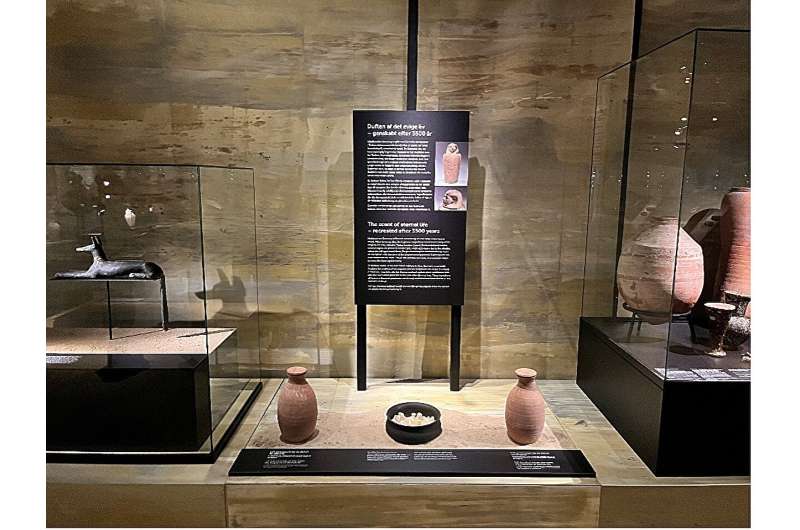
This breakthrough shows how cutting-edge science can make history feel alive and personal. Denmark's Moesgaard Museum installed a scent station in their "Ancient Egypt: Obsessed with Life" exhibition, and curator Steffen Terp Laursen watched visitors connect emotionally with embalming practices in ways text labels never achieved.
The work opens exciting possibilities for museums worldwide. Biomolecular archaeology can now unlock sensory experiences from countless ancient cultures, letting us literally breathe in moments from human history that seemed lost forever.
Huber's team published their complete workflow in Frontiers in Environmental Archaeology, making the process accessible to any institution ready to add this dimension to their collections. Museums can now offer visitors compelling new ways to understand past environments and practices through their most emotional sense.
History just got a lot more real.
More Images

Based on reporting by Phys.org
This story was written by BrightWire based on verified news reports.
Spread the positivity!
Share this good news with someone who needs it