Turkey Uncovers Best-Preserved Early Image of Jesus
Archaeologists in Turkey have discovered the most well-preserved image of Jesus ever found, dating back 1,800 years. The find is part of a wave of discoveries revealing how Christianity spread across the Roman Empire.
The best-preserved early image of Jesus Christ has been discovered in a sealed tomb in Turkey, offering historians an unprecedented glimpse into how early Christians saw their savior.
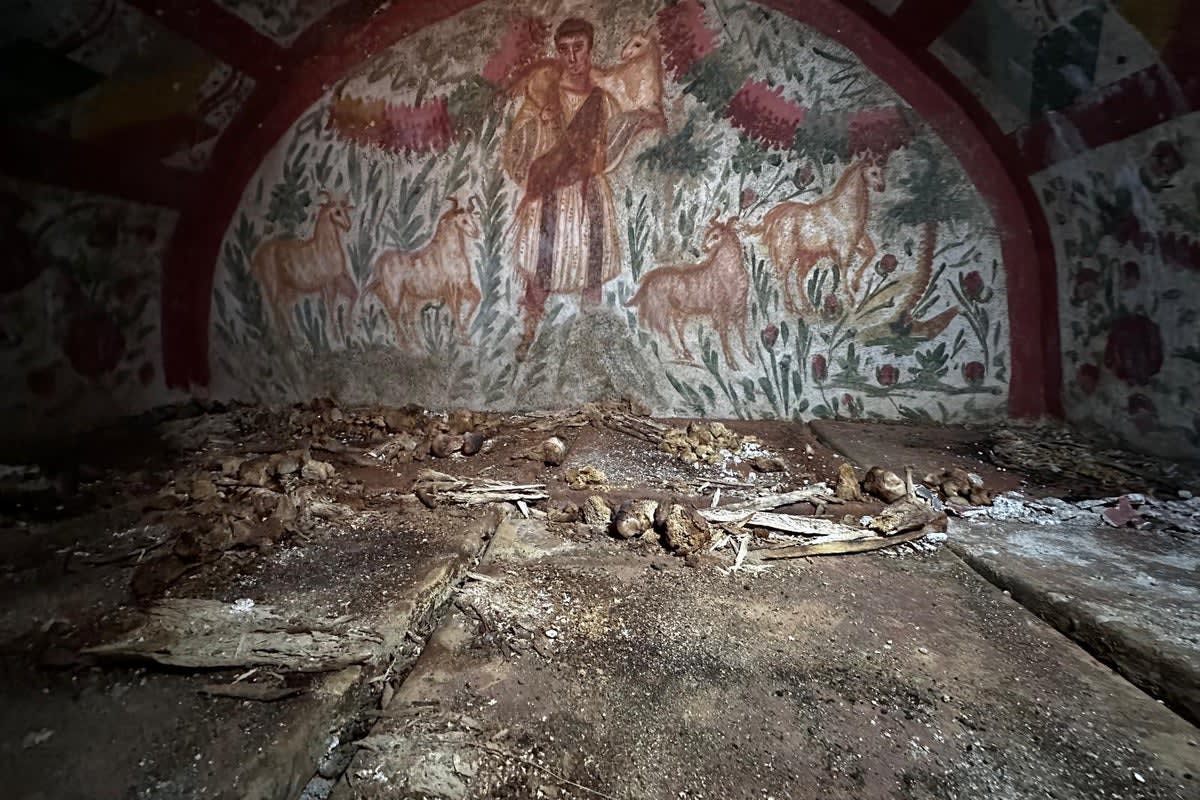
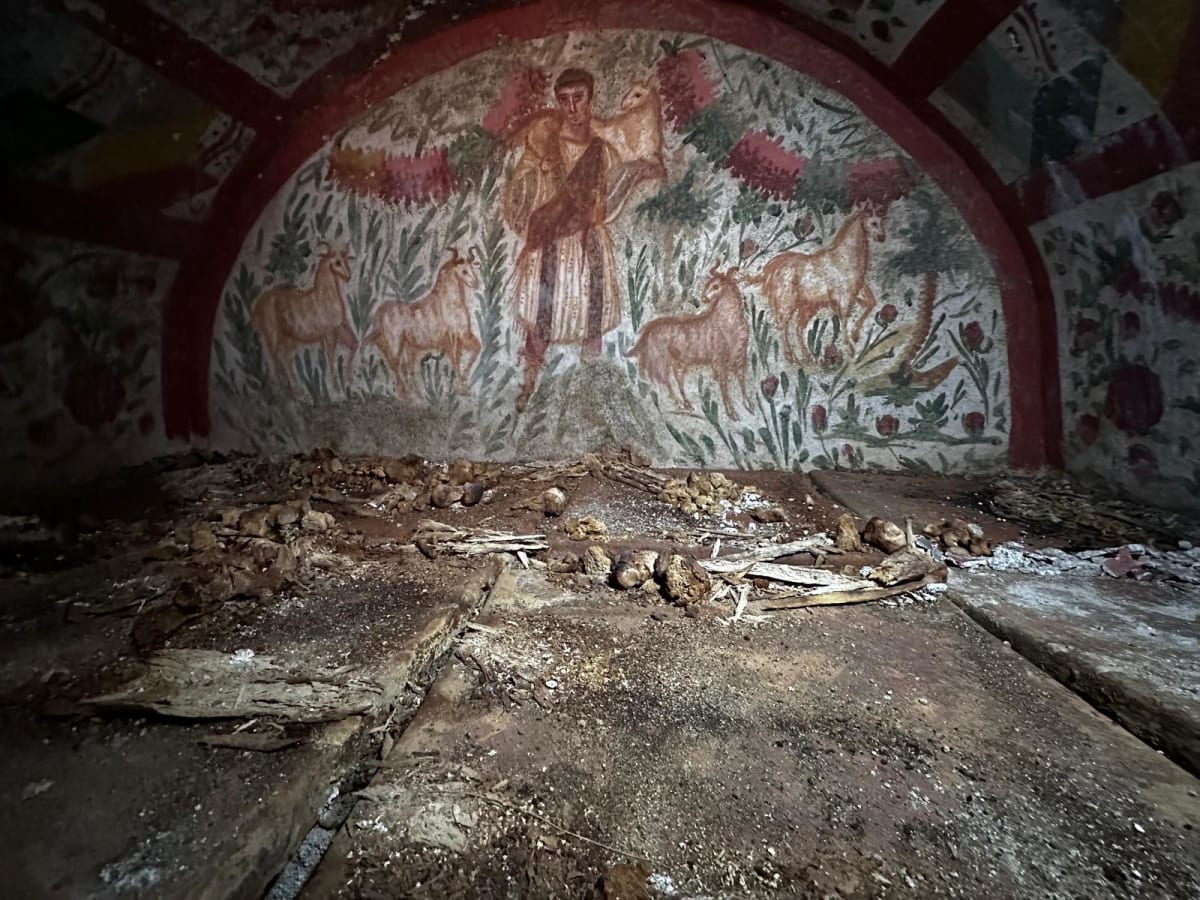
The fresco, found in the ancient city of Iznik, shows Christ as the Good Shepherd carrying a ram across his shoulders. Dating to the early-to-mid third century AD, it's one of the five oldest images of adult Jesus ever discovered anywhere in the world.
What makes this find extraordinary is its condition. Because the family tomb was sealed and oxygen-depleted for nearly 1,800 years, the painting's colors remain virtually perfect, exactly as they were when first painted.
Every detail is still visible. Christ's facial features, the individual folds of his tunic, his hands, and even the distinct outline of the ram remain sharp and clear. The image reveals Jesus as beardless with short-cropped hair, dressed in fancy upper-class Roman clothing.
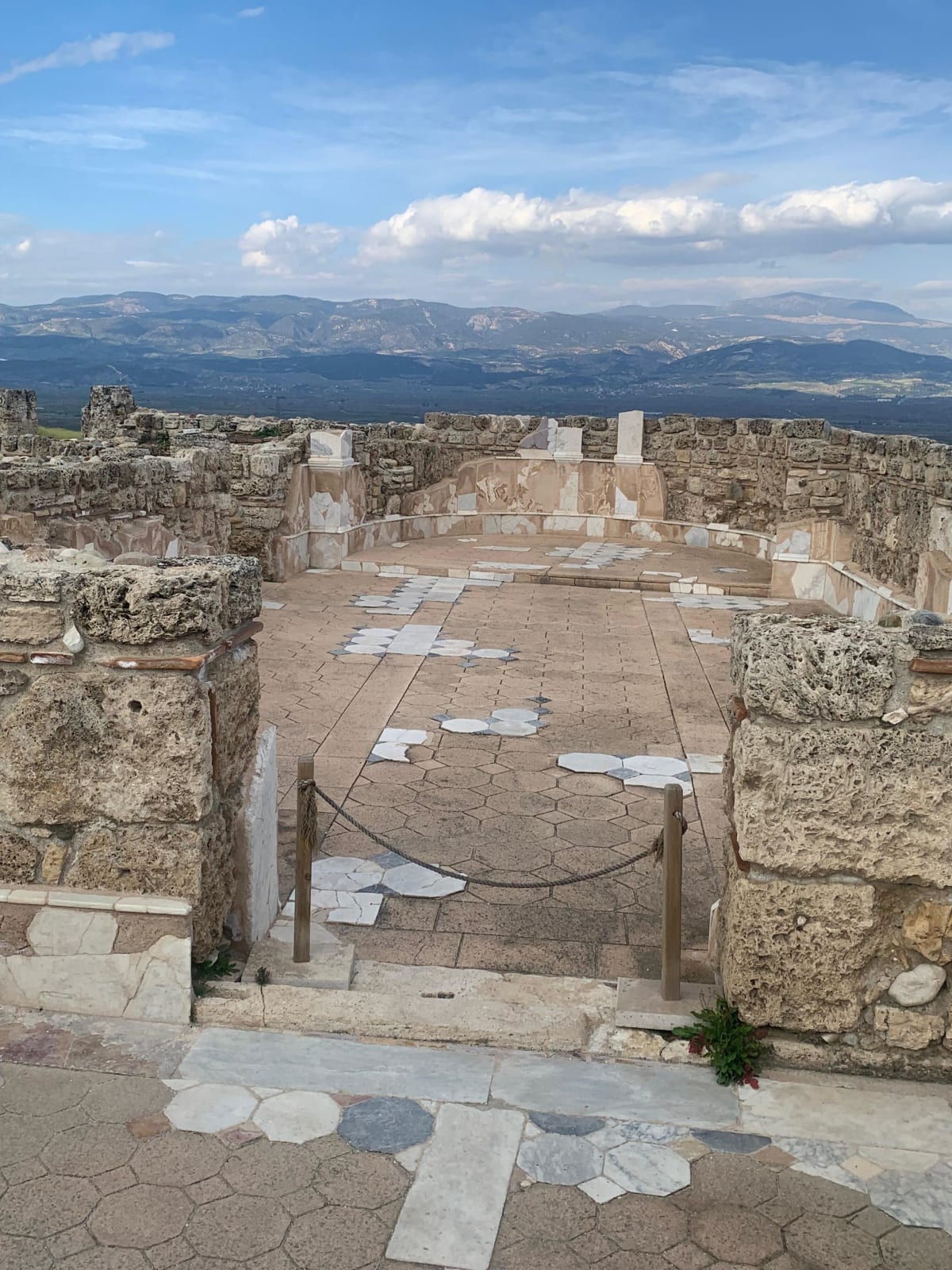
This discovery is just one of many recent breakthroughs in Turkey. Over the past two years, archaeologists have uncovered at least a dozen previously unknown fourth and fifth-century churches across Anatolia, the ancient name for the region.
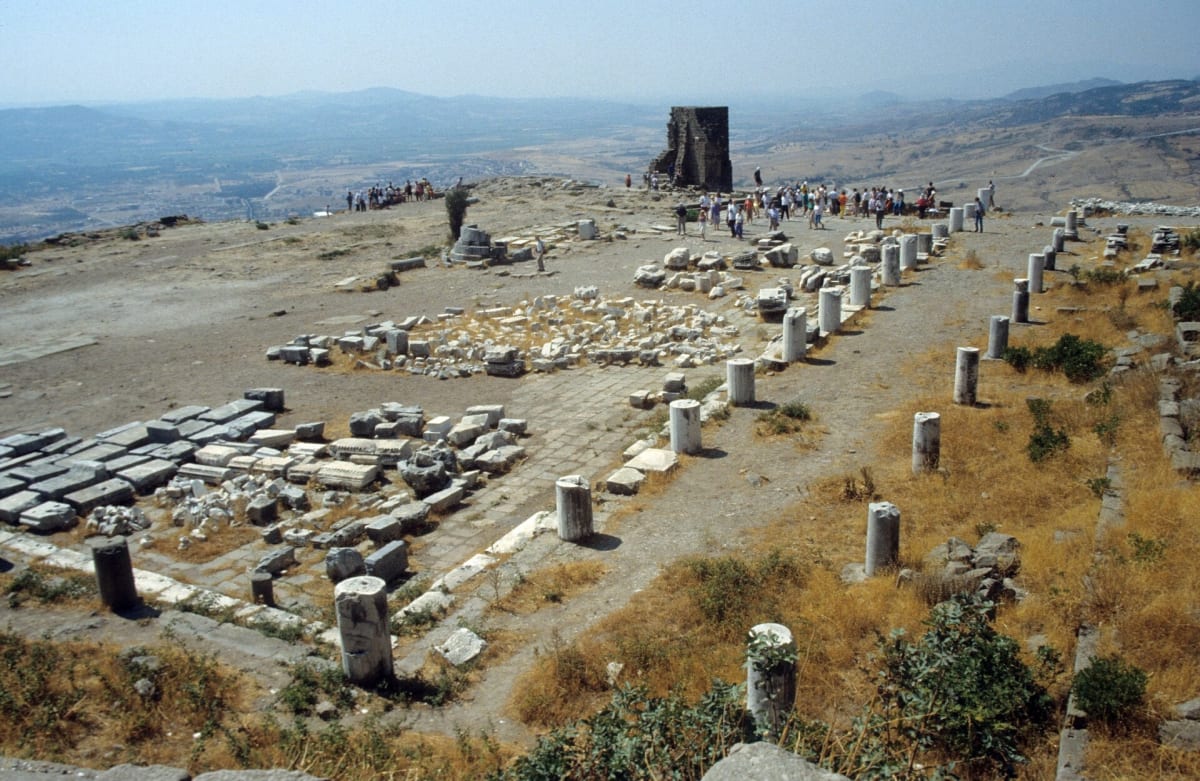
Excavations in historic Pergamon have also revealed one of the earliest depictions of Saint George, England's future patron saint. Together, these finds highlight how central modern-day Turkey was to Christianity's early expansion.
The Ripple Effect
These discoveries are helping researchers understand one of history's most remarkable transformations. In just three centuries, Christianity grew from a tiny persecuted sect to the official religion of the Roman Empire.
New research from universities worldwide is revealing how this happened. Studies show that Christian communities likely had lower death rates from illness than pagan communities, partly thanks to their social care systems that attracted converts.
The discoveries also shed light on the rise of emperor worship in the region. As Romans increasingly deified their emperors, Christianity offered a counter-narrative that attracted those uncomfortable with imperial power, helping explain the political undertones in the Biblical Book of Revelation.
The volume and quality of these recent finds underscore how Turkey sits at the heart of Christianity's origin story, preserving secrets that are only now coming to light after nearly two millennia underground.
More Images
_(2).jpeg)
Based on reporting by Google: archaeological discovery
This story was written by BrightWire based on verified news reports.
Spread the positivity!
Share this good news with someone who needs it