Myanmar Powers 130,000 Homes with New Solar Plants
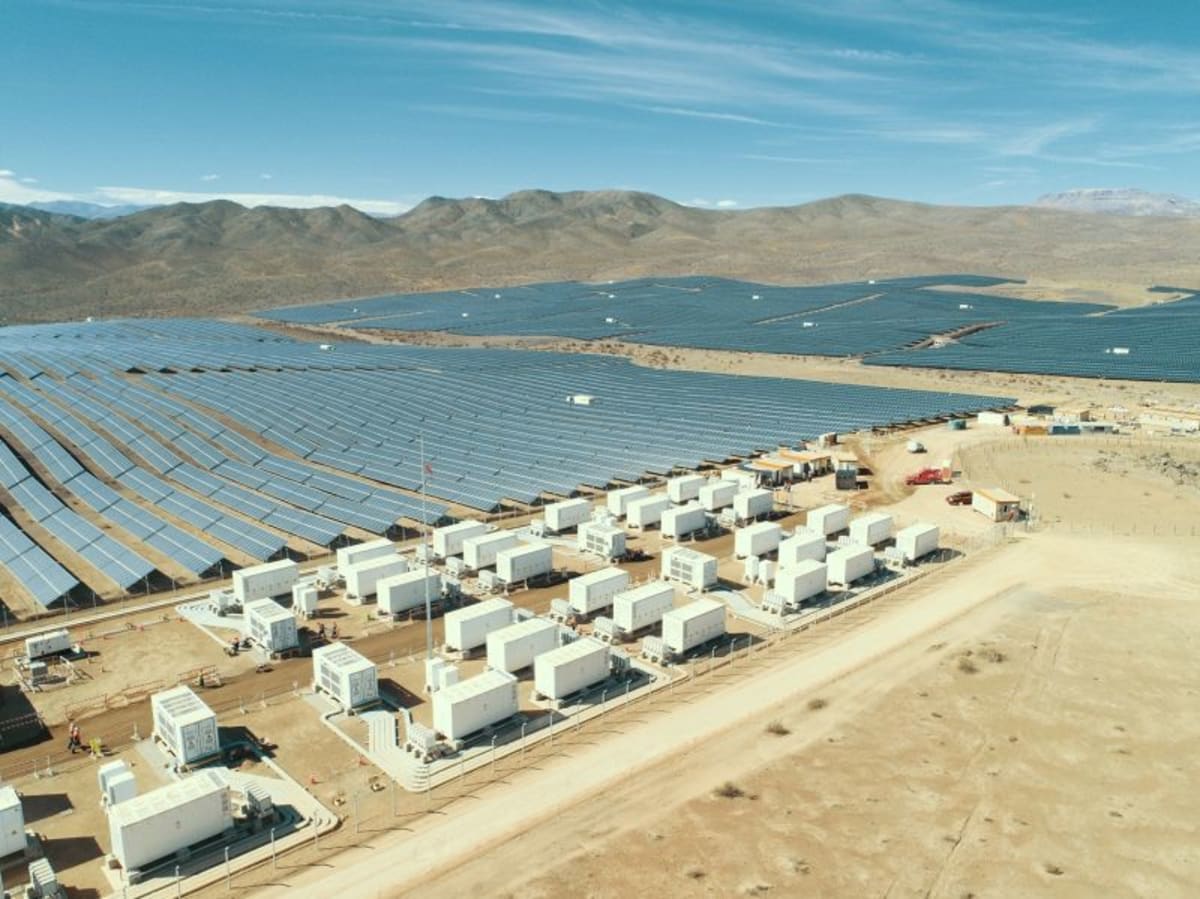
Two new solar farms in Myanmar just switched on, bringing reliable electricity to 130,000 households in a region struggling with power shortages. The clean energy projects mark a bright spot in the country's push toward renewable power.
In a region where families have been living with rotating blackouts, 130,000 households in Myanmar's Mandalay region just got a major upgrade.
Two brand new solar plants flipped the switch this week, each capable of generating 40 megawatts of clean electricity. The Thazi Solar Power Plant and the Thabyaywa Solar Power Plant will together produce about 202 million kilowatt hours annually, enough to keep lights on and homes running for thousands of families who've been dealing with frequent outages.
Myanmar's electrical grid has faced serious challenges lately. Natural disasters have damaged major transmission lines, and existing power plants have struggled to keep up with demand. Families across the country have been receiving electricity through a rotating schedule, getting power for only parts of each day.
That's what makes these solar installations so significant. They represent fresh, reliable energy coming online right when communities need it most.
Union Minister U Ko Ko Lwin, who attended the opening ceremonies, shared that an even bigger project is on the horizon. A 210 megawatt solar farm is currently under construction and expected to finish soon, which would more than double the clean energy capacity just added.
The two plants were built by local companies Leader Power Co. Ltd. and Hanzar Solar Energy Co. Ltd., showing that Myanmar's renewable energy sector continues moving forward despite obstacles.
The Bright Side
While Myanmar launched an ambitious plan for 1 gigawatt of solar power back in 2020, progress has been slow. Political instability and grid limitations have delayed many projects. That's why getting these two plants fully operational and connected feels like such a win.
Solar power offers something particularly valuable for areas with damaged transmission infrastructure. Once installed, these systems generate electricity locally with minimal maintenance needs and no fuel costs. For communities that have watched traditional power plants struggle, that reliability matters.
The projects also signal that clean energy development hasn't stalled completely. Companies are still building, engineers are solving problems, and families are getting access to electricity that doesn't depend on fossil fuels or complex supply chains.
Every time a new solar plant comes online, it adds stability to an overstressed grid and reduces the burden on aging infrastructure. These two facilities represent real progress for 130,000 households who can now count on more consistent power for cooking, studying, working, and connecting with loved ones.
Sometimes the brightest news comes from places facing the biggest challenges.
More Images


Based on reporting by PV Magazine
This story was written by BrightWire based on verified news reports.
Spread the positivity!
Share this good news with someone who needs it