Myanmar Villages Save Critically Endangered Heron
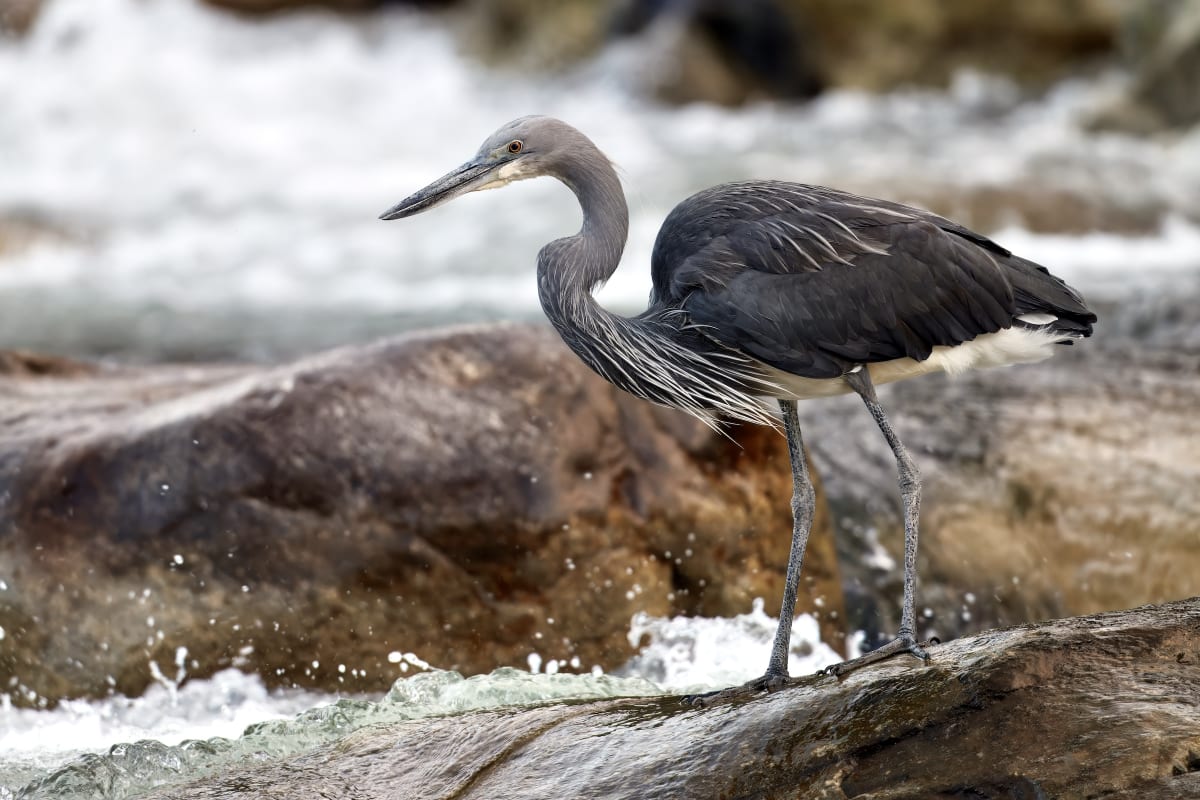
Local surveyors in northern Myanmar confirmed that the white-bellied heron, one of Earth's rarest birds with fewer than 50 adults remaining worldwide, still survives in their rivers. Community rangers are now teaching neighbors to protect these remarkable fish-eaters instead of hunting them.
In a world where fewer than 50 white-bellied herons remain, every single bird counts. Local surveyors in Myanmar's Kachin state just confirmed that several of these critically endangered giants still glide above their rivers.
The discovery happened despite incredibly difficult circumstances. Since Myanmar's 2021 political crisis, government conservation support has collapsed and major environmental groups have left the country. But local communities refused to let wildlife protection disappear with them.
Northern Wildlife Rangers, a grassroots group with deep roots in Kachin state, led surveys between 2022 and 2023. They spotted the same three to five individual herons 25 times across two river valleys. Every surveyor came from local villages, and the project ran entirely on a small WWF grant designed to keep conservation alive when larger funding vanished.
"Every individual is important for the species to persist," said Rohan Menzies, an ornithologist in India who studies these birds. The Myanmar sightings fill crucial gaps in tracking a species teetering on extinction's edge.
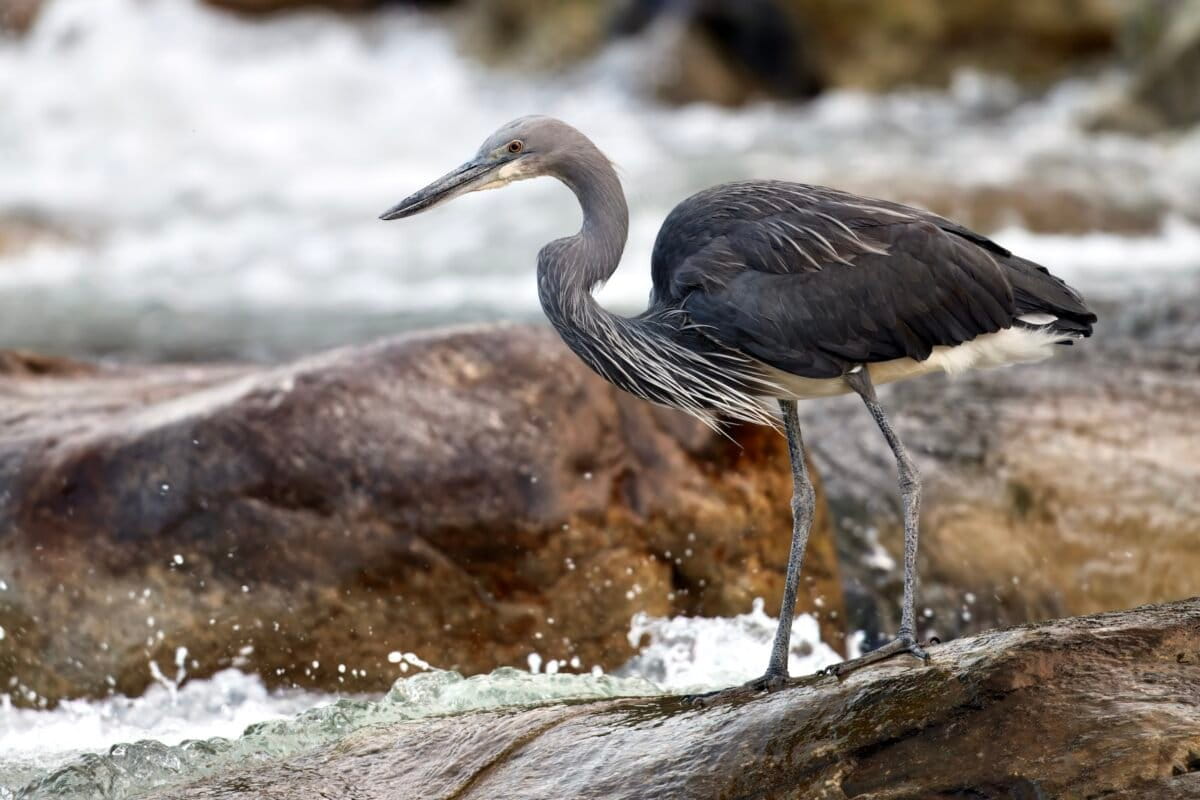
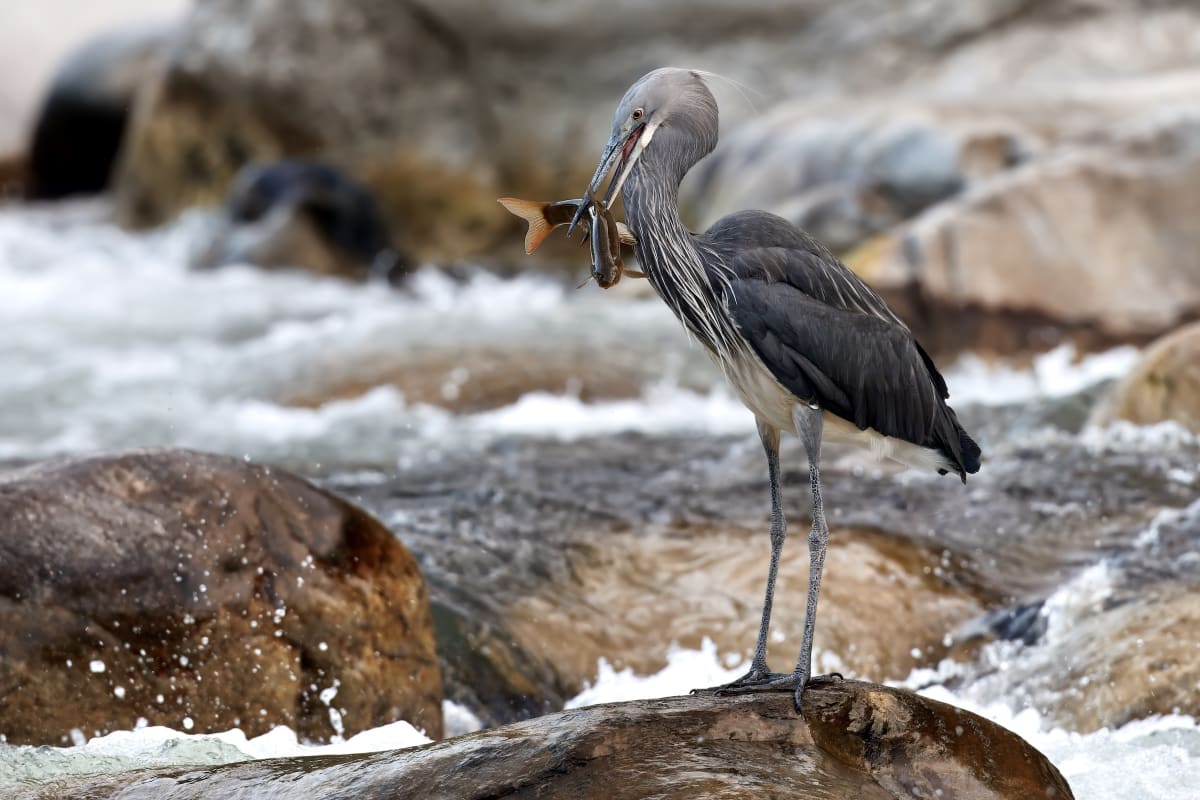
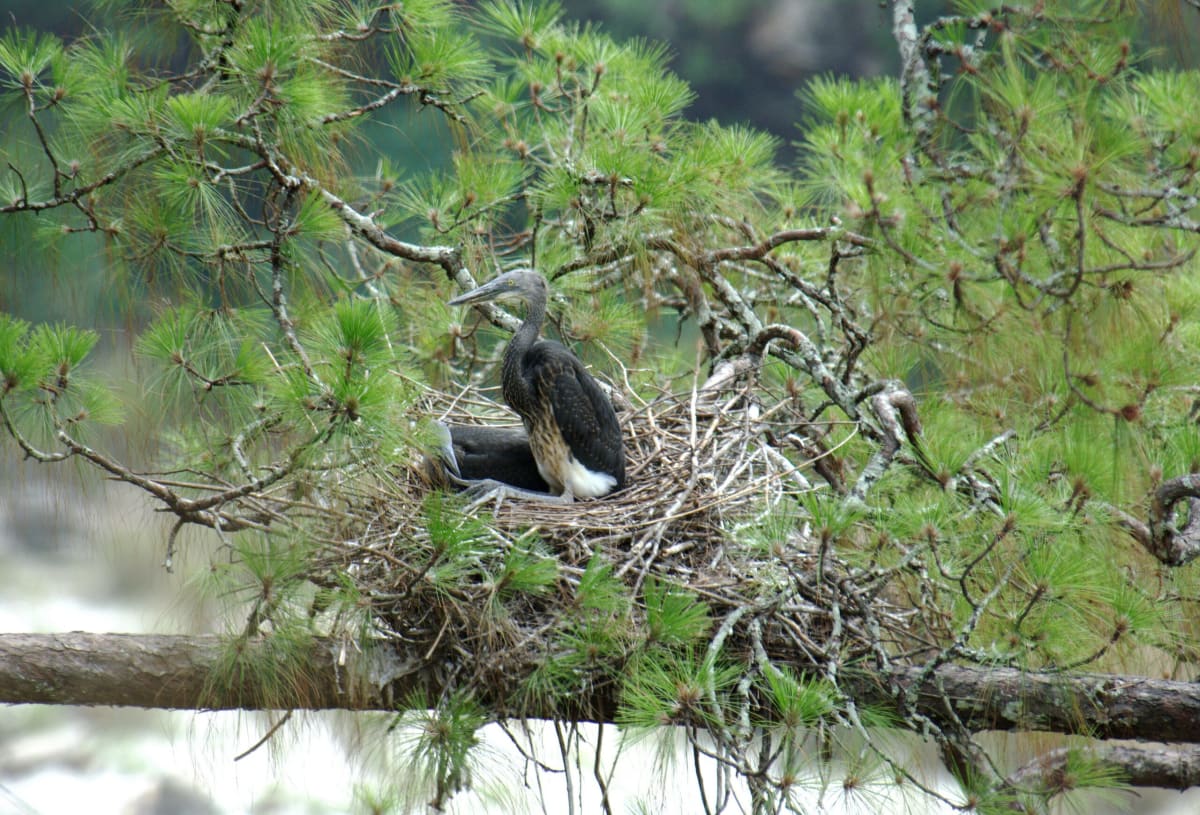
White-bellied herons are extreme specialists. These slender, shy fish-eaters need large, fast-flowing, pristine rivers to survive. They can't adapt to polluted or dammed waterways, which makes almost every river on Earth unsuitable for them. They're so sensitive that they'll abandon their nests if disturbed even once.
The surveys revealed new threats too. Rangers documented the first known cases of herons killed by hunters using homemade air-pressure guns. Even though Myanmar law protects the species, enforcement has vanished amid political instability.
Why This Inspires
Northern Wildlife Rangers didn't wait for stability to return or big organizations to come back. They're already visiting villages to share how rare these herons truly are and asking neighbors to protect them instead of shooting them.
Twenty-six similar grassroots programs are now running across Myanmar, led by locals who know their land intimately. "Community-based and civil society organizations are very knowledgeable and influential in their areas," said Nay Myo Shwe from WWF-Myanmar. "There are interest groups that care deeply about species and conservation issues and mobilize themselves."
The political crisis makes addressing bigger threats like mining pollution nearly impossible right now. But by building local skills and awareness, these rangers are keeping hope alive for one of the world's rarest birds until better days return.
Sometimes the smallest acts of protection, done by ordinary people in extraordinary times, matter most.
More Images

Based on reporting by Mongabay
This story was written by BrightWire based on verified news reports.
Spread the positivity!
Share this good news with someone who needs it