NASA Adds New Moon Mission, Eyes Annual Lunar Landings by 2028
NASA is ramping up its Artemis program with a new 2027 test mission and plans to land astronauts on the Moon's South Pole in 2028, then launch one lunar mission every year after that. The agency is streamlining its rocket systems to make the Moon more accessible than ever before.
America is heading back to the Moon faster than expected, and this time we're planning to stay.
NASA announced it's adding a brand new mission to its Artemis program and aiming to achieve one lunar mission per year starting in 2028. That's a pace of Moon exploration we haven't seen since the Apollo era over 50 years ago.
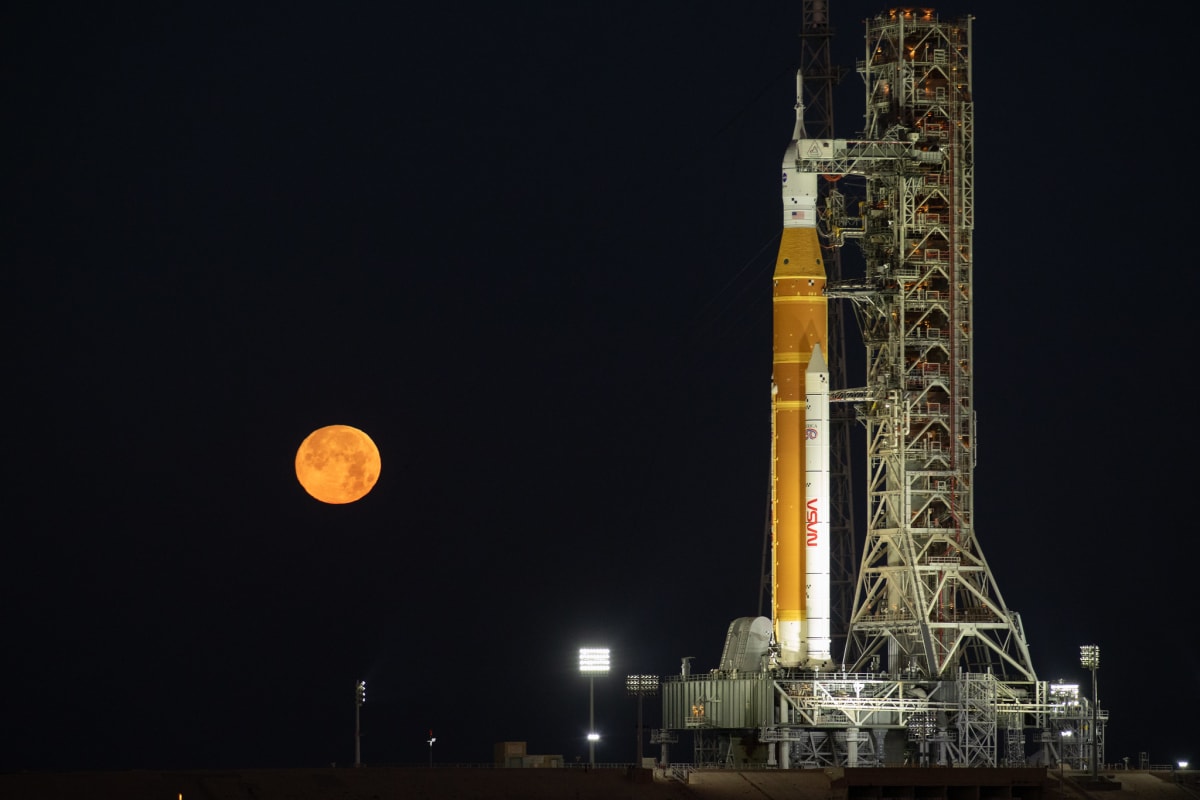
The news came during a February 27 briefing at Kennedy Space Center in Florida, where NASA laid out an ambitious roadmap for the next five Artemis missions. The agency is also standardizing its Space Launch System rocket to make launches more efficient and reliable.
Here's what's coming: Artemis II will send four astronauts around the Moon as early as April 2026. NASA astronauts Reid Wiseman, Victor Glover, Christina Koch, and Canadian Space Agency astronaut Jeremy Hansen will spend about 10 days testing the systems that future crews will depend on.
The newly added Artemis III mission in mid-2027 will test commercial lunar landers from SpaceX and Blue Origin in Earth orbit. Astronauts will launch on NASA's rocket, then practice docking with the private spacecraft that will eventually carry people to the Moon's surface.
Artemis IV in early 2028 marks the big moment: the first American Moon landing in over half a century. Astronauts will transfer from their Orion spacecraft to a commercial lander and touch down on the lunar South Pole, a region never before explored by humans.
By late 2028, Artemis V will launch using NASA's newly standardized rocket configuration. That mission will kick off construction of humanity's first Moon base, turning occasional visits into a sustained presence.
The Ripple Effect
This accelerated timeline means more than just flags and footprints. Annual Moon missions will create a steady stream of scientific discoveries about our closest neighbor, helping us understand everything from the Moon's mysterious South Pole ice to the early history of our solar system.
The shift to standardized rockets and commercial partnerships is making space exploration more sustainable and cost-effective. Instead of custom-building each mission from scratch, NASA is creating reliable systems that can launch predictably, opening the door for more ambitious goals like eventual Mars missions.
Private companies working alongside NASA means more jobs, more innovation, and more opportunities for the next generation of explorers. Every successful test brings us closer to a future where lunar visits feel as routine as launches to the International Space Station.
The Moon is about to get a lot busier, and humanity's greatest adventure is just beginning.
More Images
Based on reporting by NASA
This story was written by BrightWire based on verified news reports.
Spread the positivity!
Share this good news with someone who needs it