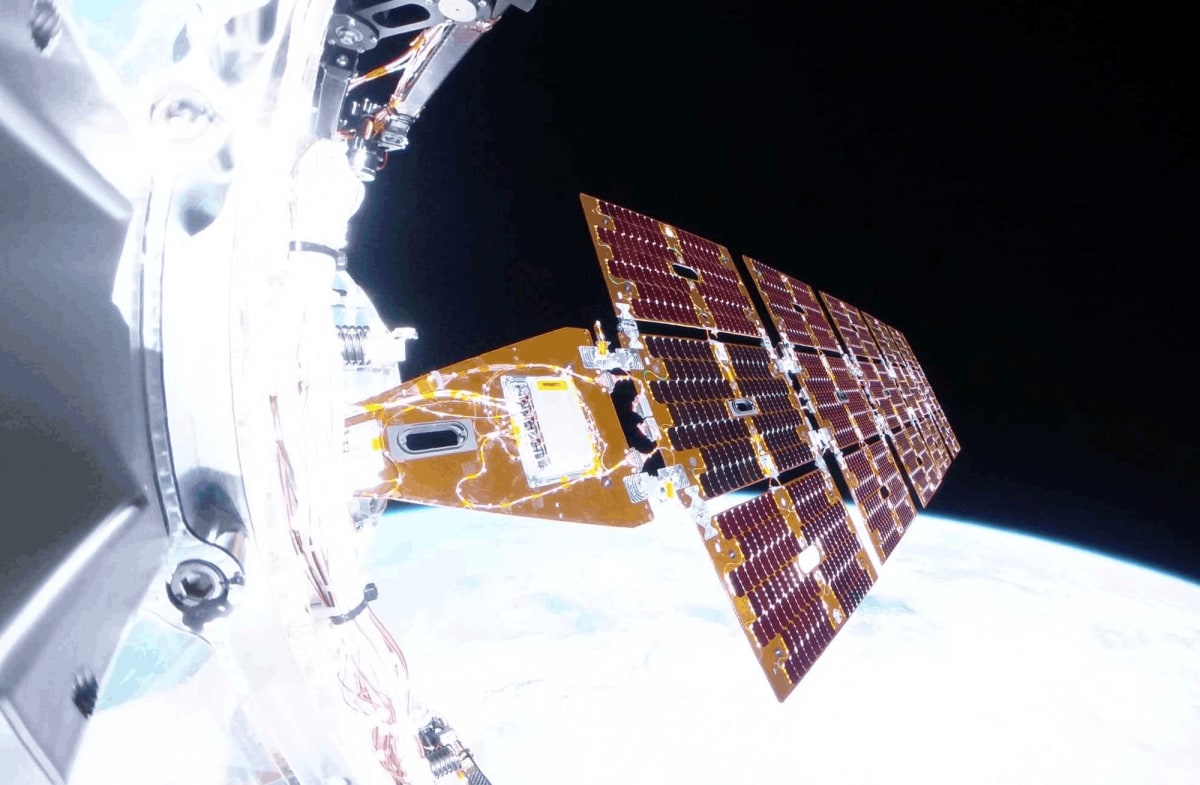
NASA Chases Eclipse at 50,000 Feet to Unlock Sun's Secrets
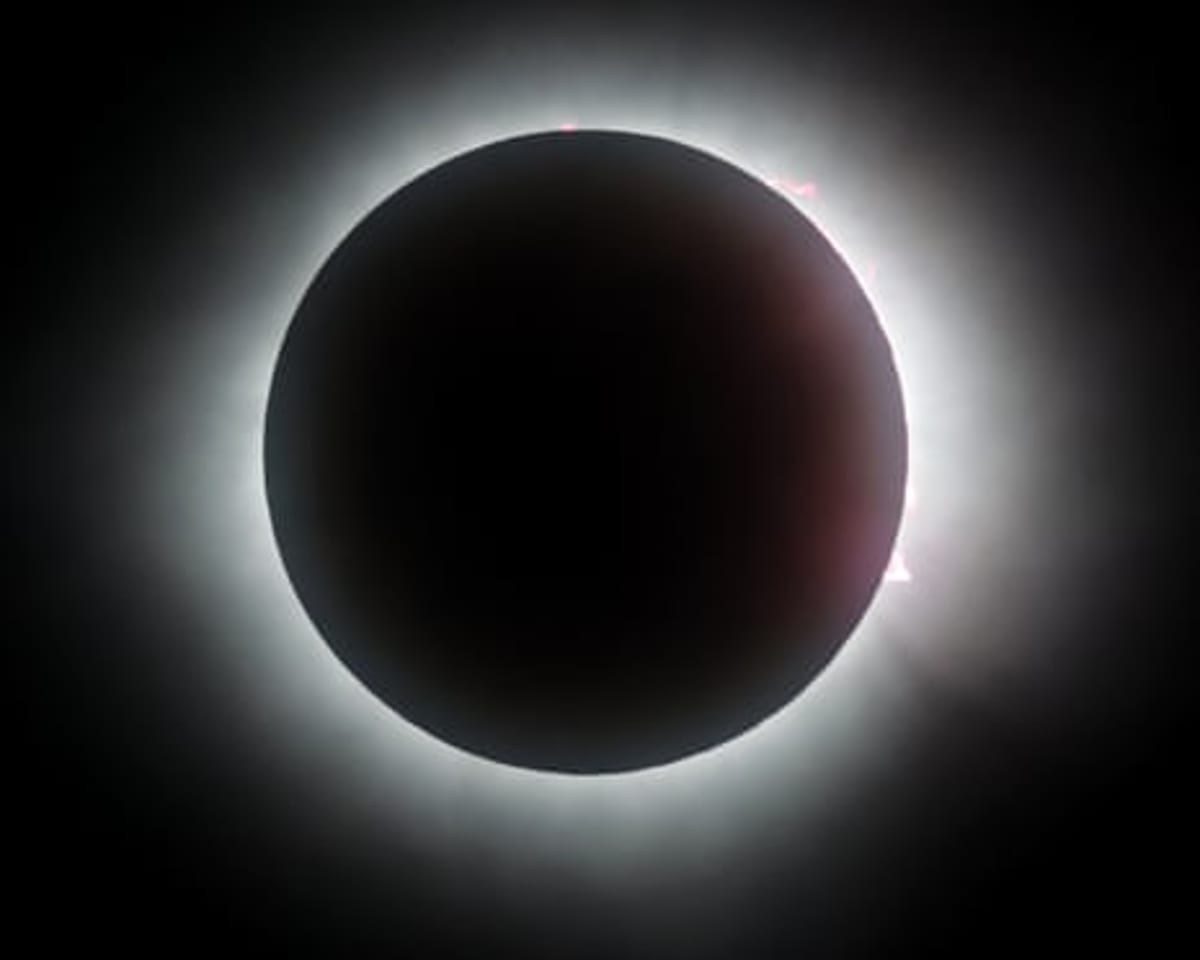
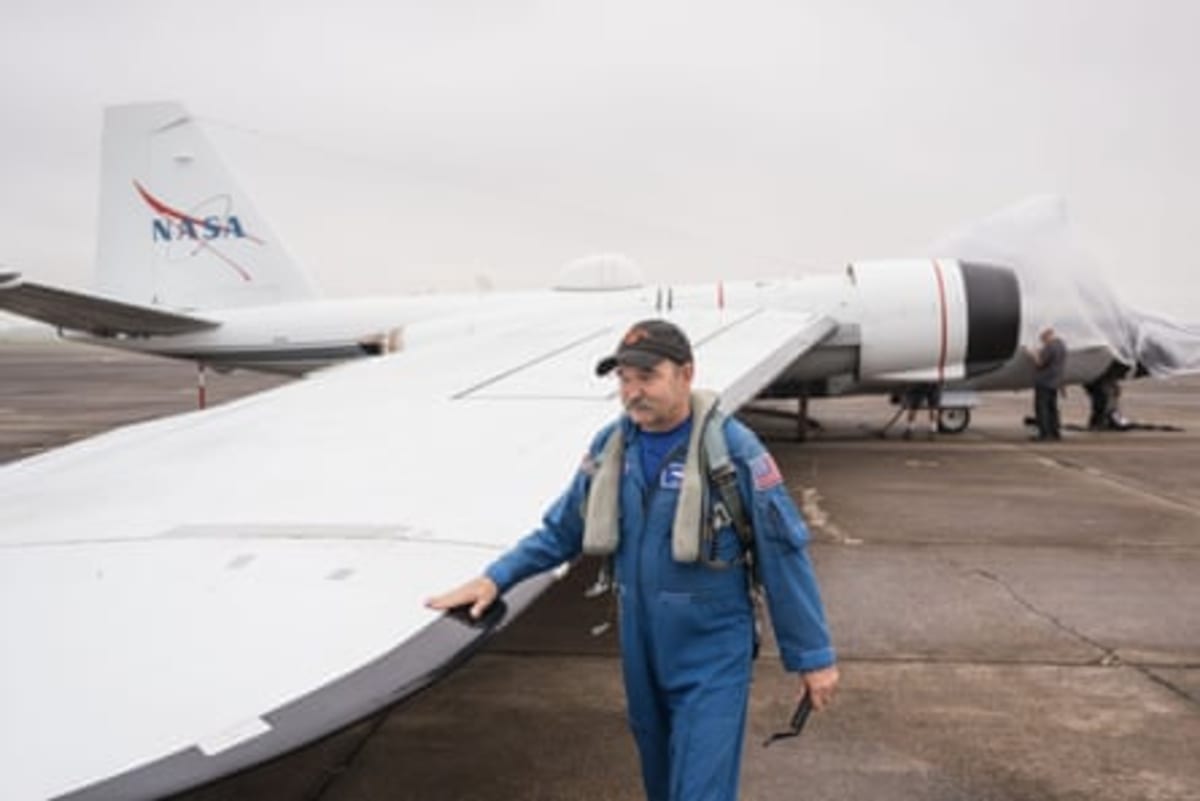
Two NASA pilots will fly into the moon's shadow over Iceland this Wednesday, racing alongside an eclipse at 460 mph to capture images that could solve one of the sun's greatest mysteries. By flying at the edge of space, they'll extend the brief moment of totality to nearly three minutes.
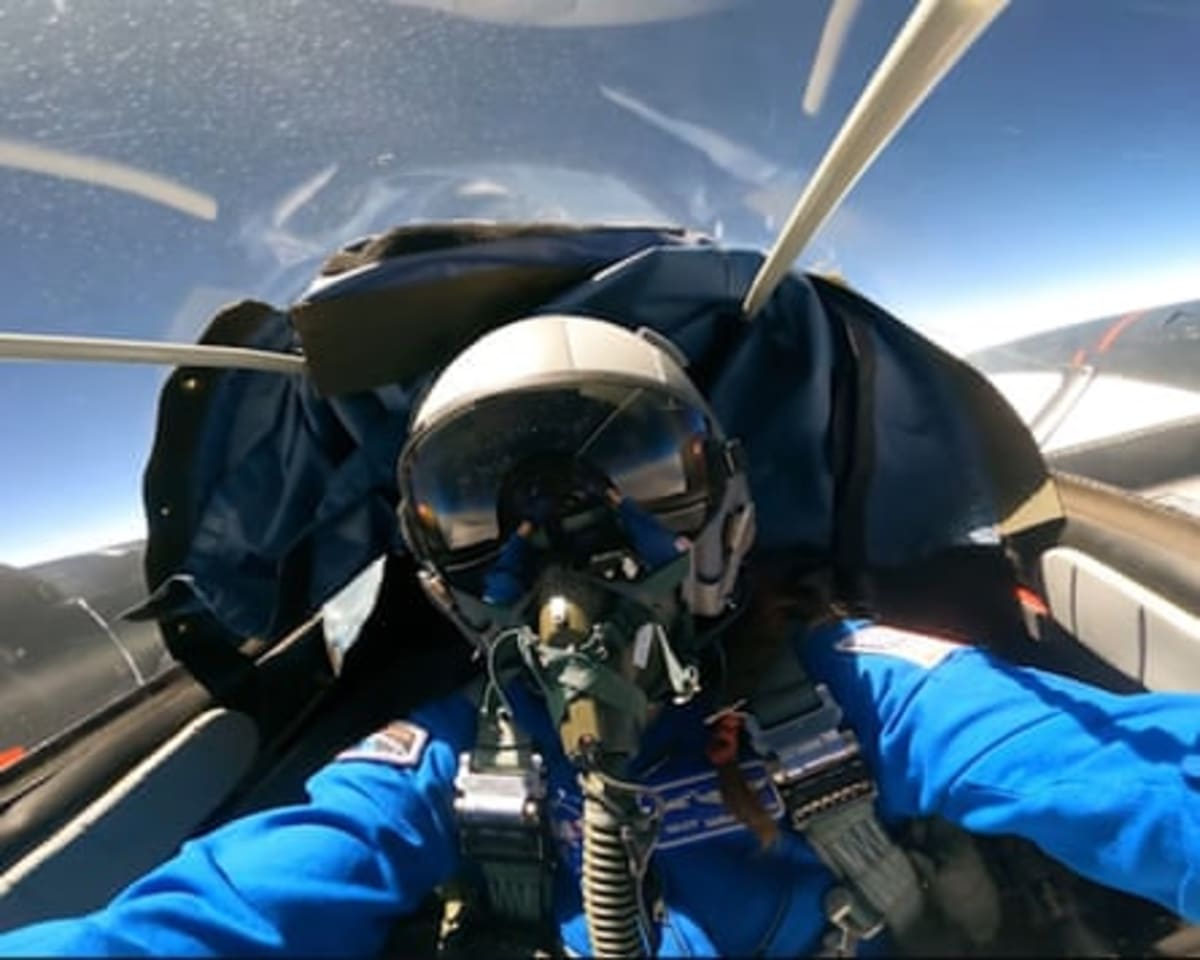
Imagine flying at 50,000 feet when suddenly the world goes dark and you're slammed by shadow racing toward you at 2,000 mph. That's exactly what two NASA aviators will experience Wednesday when they chase a solar eclipse off the coast of Iceland.
The mission sounds like science fiction, but it's pure science. As the moon's shadow races across the ocean, the pilots will fly alongside it at 460 mph, extending what would be a 2-minute-18-second eclipse into nearly three minutes of darkness. Every extra second counts.
Hidden in the nose of their WB-57 aircraft are four cameras ready to snap dozens of pictures per second. They'll capture something invisible during normal days: massive ribbons of plasma looping off the sun and tiny magnetic explosions called nanoflares. Only when the moon blocks the sun's blinding glare can scientists see these phenomena.
Those nanoflares might sound small, but each releases the energy of thousands of atomic bombs. They help explain one of the sun's biggest mysteries: why its outer atmosphere reaches over 1,000,000°C while the surface sits at a mere 6,000°C.
"Solar eclipses give us an opportunity to do science we couldn't do at any other time," said Dr. Amir Caspi, who leads the mission from Colorado. Ground telescopes deal with clouds and atmospheric blur. Space telescopes can't send back the terabytes of data this mission will collect. The sweet spot is the stratosphere.
Sensor operator Cary Klemm, who has flown eclipse missions before, described the experience: "You're hit with this slam of shadow. You feel the temperature drop off. It's kind of a weird, eerie shadow that wraps around the view in the cockpit."
Why This Inspires
This mission represents more than cool photos. Understanding these solar processes helps us predict space weather that can knock out power grids, damage satellites, and endanger astronauts. The better we understand our sun, the better we protect our increasingly tech-dependent world.
But Caspi points to something bigger than the science. Only a tiny fraction of humanity has ever witnessed a total solar eclipse. Those who have join a rare group connected to something ancient and awe-inspiring.
"It makes you feel very special, but also very small because you are this little mote in the universe," he said.
Wednesday's mission continues a legacy that stretches back a century, from Navy biplanes in 1923 to scientists cutting holes in a Concorde prototype in 1973 to keep pace with an eclipse for 74 minutes over the Sahara. Each generation finds new ways to chase these cosmic moments.
The flight reminds us that curiosity still drives us to push boundaries and that the universe still holds mysteries worth solving.
More Images

Based on reporting by Google News - Science
This story was written by BrightWire based on verified news reports.
Spread the positivity!
Share this good news with someone who needs it