NASA Confirms Supercharged Star Explosion Powered by Magnetar
For the first time in nearly 20 years of searching, scientists have definitively detected gamma rays from a rare superluminous supernova, solving a cosmic mystery about what powers these exceptionally bright stellar explosions. The culprit: a newborn magnetar with the strongest magnetic field in the universe.
📺 Watch the full story above
Scientists just got their first confirmed look at what powers the brightest stellar explosions in the universe, and the answer is mind-blowing.
NASA's Fermi Gamma-ray Space Telescope detected something astronomers have been hunting for nearly two decades: definitive gamma-ray signals from a superluminous supernova. These ultra-bright stellar explosions shine 10 times brighter than regular supernovae, but until now, scientists could only guess what gave them their extra punch.
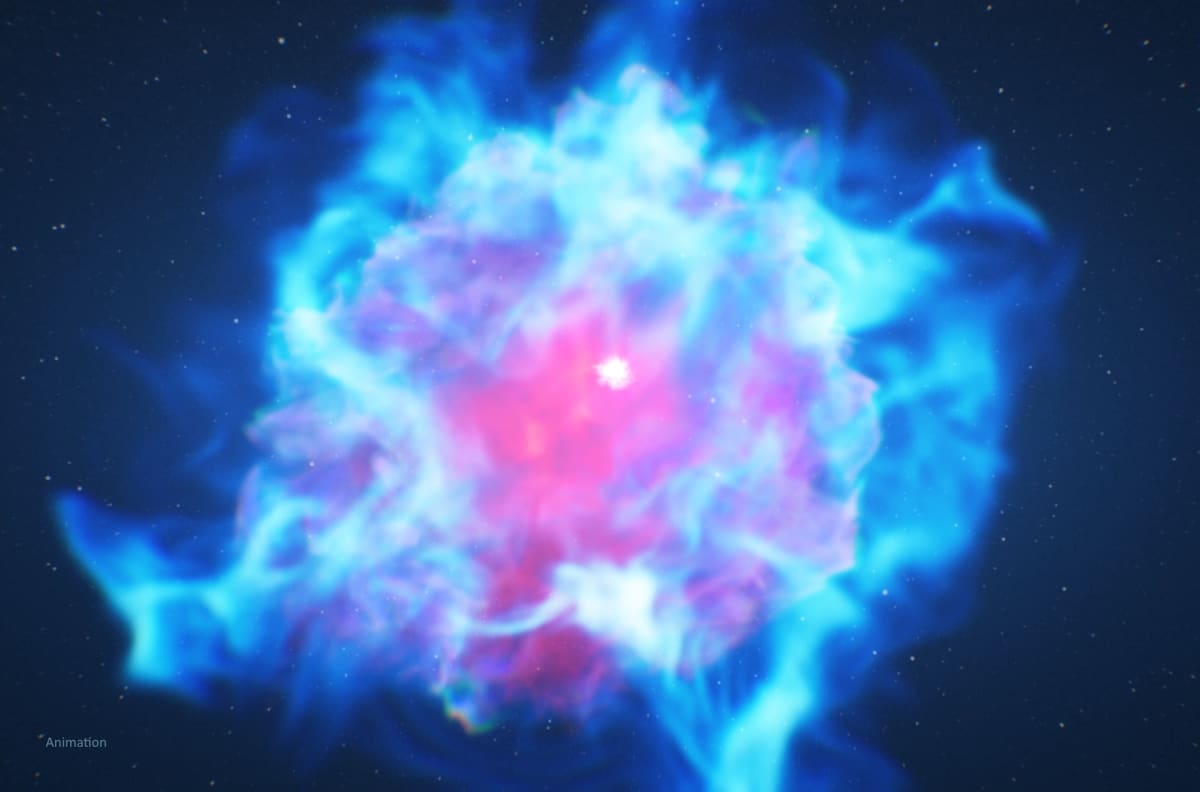
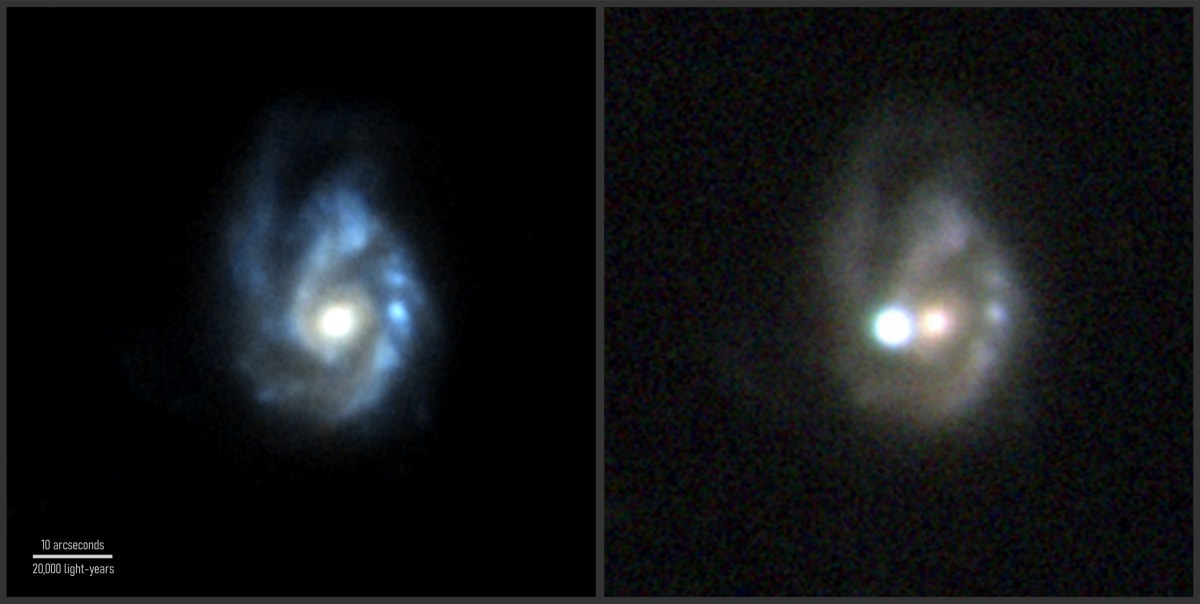
The smoking gun came from SN 2017egm, a supercharged explosion that lit up a galaxy 440 million light-years away in 2017. It remains one of the closest superluminous supernovae ever observed from Earth.
"For nearly 20 years, astronomers have searched Fermi data for gamma-ray signals from thousands of supernovae, and while a few intriguing hints have been reported, none were definitive until now," said study lead Fabio Acero at the French National Centre for Scientific Research.
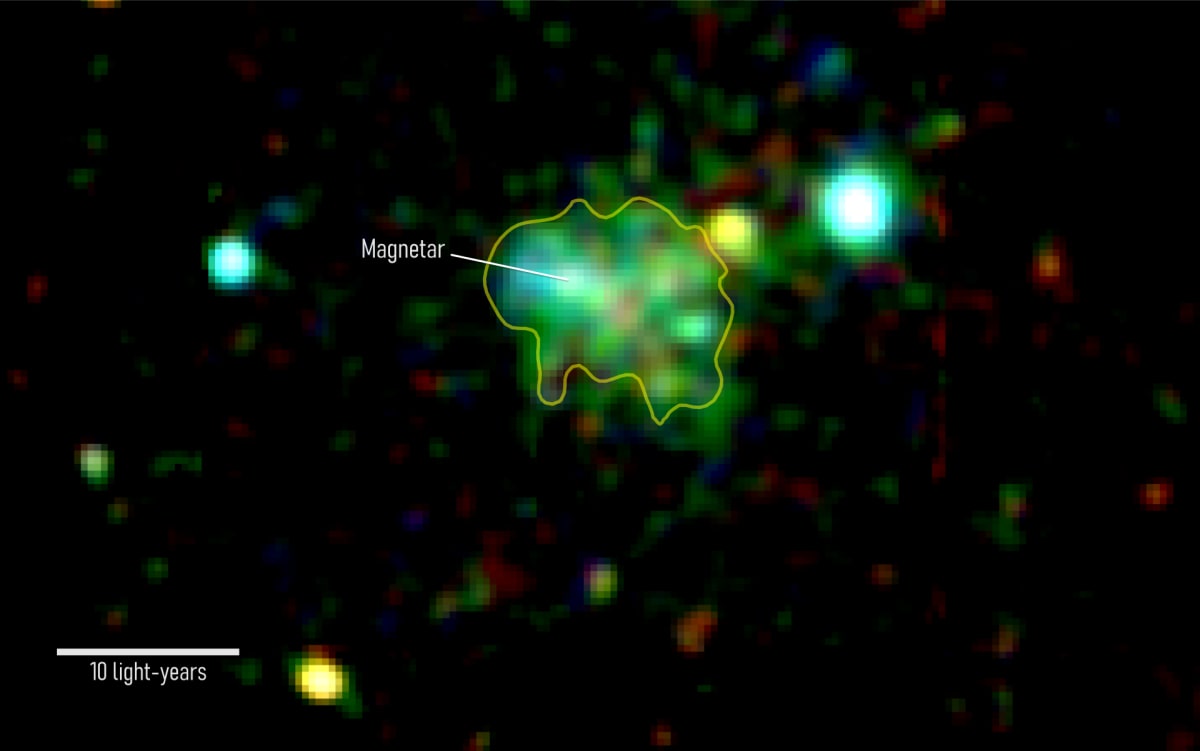
The answer to the mystery lies in something called a magnetar. These city-sized neutron stars possess magnetic fields up to 1,000 times stronger than typical neutron stars, making them 10 trillion times more powerful than a refrigerator magnet.
When a massive star collapses and explodes, it can birth a magnetar spinning hundreds of times per second. This furious rotation creates a vast cloud of electrons and their antimatter twins, positrons, which interact to produce the gamma rays Fermi detected.
Researchers examined six of the nearest superluminous supernovae from Fermi's first 16 years of operation. Only SN 2017egm showed clear gamma-ray evidence, confirming that these explosions can shine just as brightly in gamma rays as they do in visible light.
The Ripple Effect
This discovery opens an entirely new window for studying the most powerful stellar explosions in the cosmos. Scientists can now use gamma-ray detection to confirm magnetar formation in real time, rather than relying on theoretical models alone.
The breakthrough also helps astronomers understand how the strongest magnetic fields in the universe form and behave. These magnetar wind nebulae, as they're called, create fascinating particle interactions that fuel both the production and absorption of gamma rays.
The findings, published in Astronomy & Astrophysics, represent nearly two decades of patient observation paying off. NASA's fleet of observatories continues monitoring the changing cosmos, piece by piece helping humanity decode how our universe actually works.
After 20 years of searching through thousands of stellar explosions, scientists finally caught nature's brightest fireworks in the act.
More Images


Based on reporting by NASA
This story was written by BrightWire based on verified news reports.
Spread the positivity!
Share this good news with someone who needs it