Search

Find uplifting stories about heroes, innovations, and solutions

17 results for "supernova"

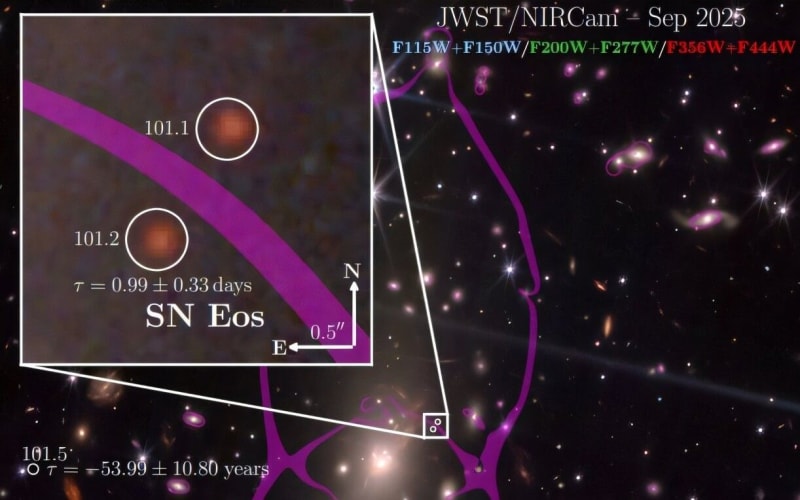
10-Billion-Year-Old Supernova May Unlock Dark Energy Secret
Planet Wins•3h ago

10-Billion-Year-Old Supernova May Unlock Dark Energy Secret

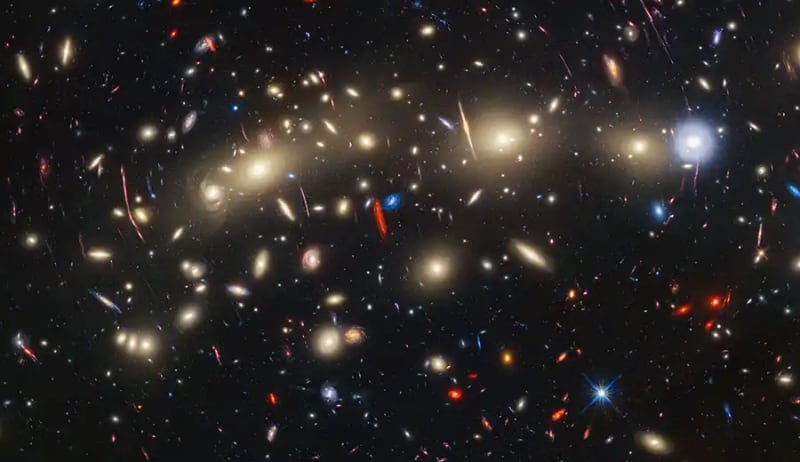
Astronomers discovered a rare supernova from 10 billion years ago whose light was bent into multiple images by a galaxy's gravity, creating a cosmic time machine that could solve one of science's biggest mysteries. This discovery might finally explain dark energy, the mysterious force pushing our universe to expand faster and faster.

Science Daily•3 min read
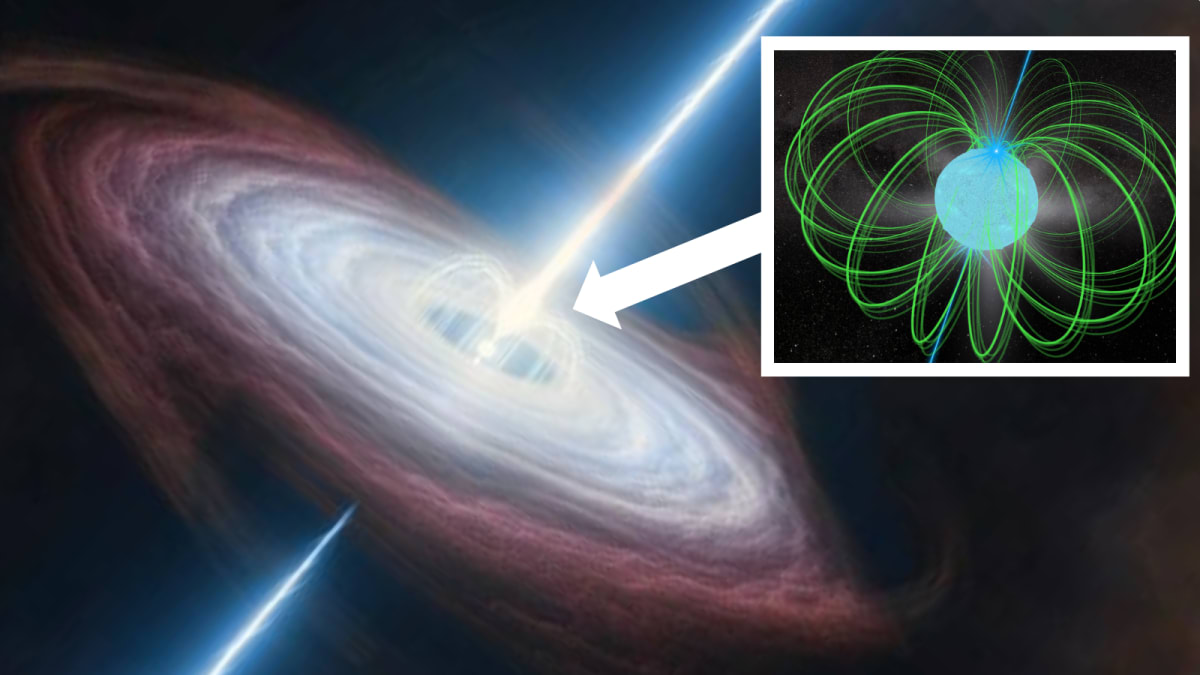
Scientists Witness Birth of Universe's Strongest Magnet
Innovation•4d ago

Scientists Witness Birth of Universe's Strongest Magnet

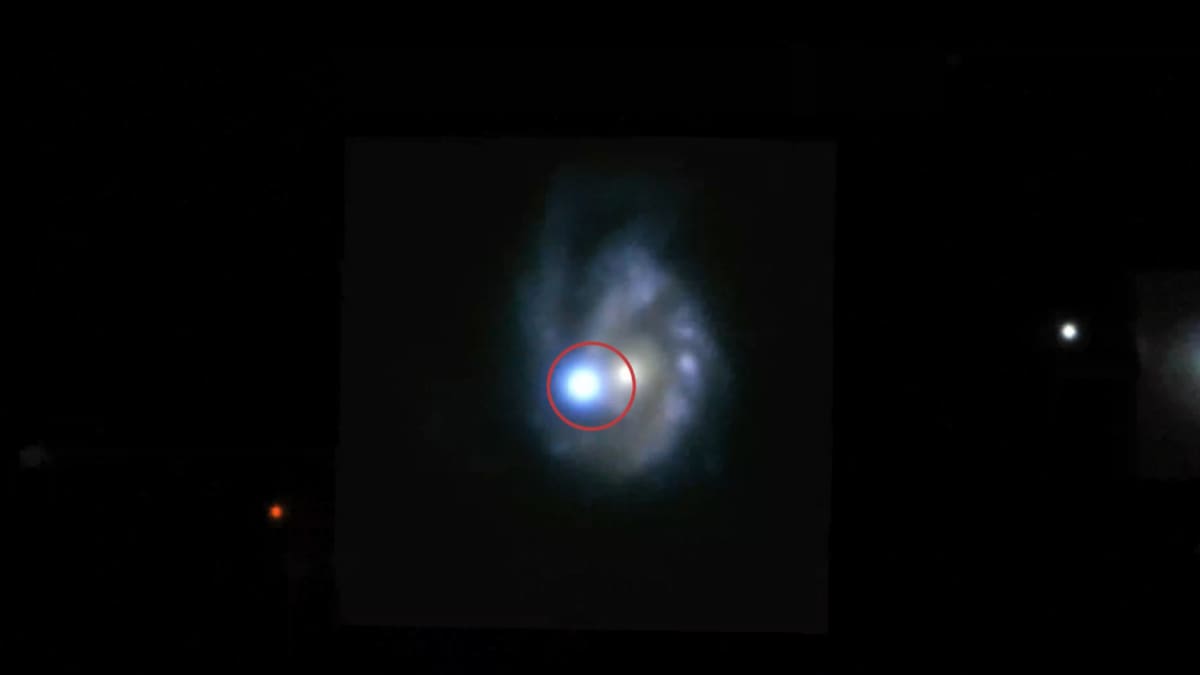
Astronomers just caught the first-ever birth of a magnetar, one of the most magnetic objects in the universe, solving a mystery that's puzzled scientists for two decades. The discovery confirms that these cosmic powerhouses form during ultra-bright supernova explosions.

Space.com•3 min read
Scientists Watch Magnetar Birth in Space for First Time
Innovation•5d ago

Scientists Watch Magnetar Birth in Space for First Time

Astronomers just witnessed something no one has ever seen before: the birth of a magnetar, one of the universe's most extreme objects. The discovery proves Einstein was right about space-time and reveals how the brightest explosions in the cosmos actually work.

Google News - Science•2 min read
Ancient Crystals Rewrite the Story of How Our Sun Was Born
Innovation•Mar 3

Ancient Crystals Rewrite the Story of How Our Sun Was Born

Scientists studying microscopic crystals older than our sun are discovering our solar system may have formed from massive star winds, not an explosive supernova. These tiny grains, preserved in meteorites, offer humanity's only window into the moments before our cosmic home existed.

Google News - Science•3 min read
World's Largest Camera Begins Scanning the Night Sky
Innovation•Feb 28

World's Largest Camera Begins Scanning the Night Sky

The Vera Rubin Observatory just sent 800,000 alerts in a single night, catching asteroids, supernovae, and cosmic changes as they happen. Soon it will send seven million alerts nightly, discovering more objects in one year than all telescopes in history combined.

Google: scientific discovery•3 min read
New Observatory Spots 800K Sky Changes in One Night
Innovation•Feb 27

New Observatory Spots 800K Sky Changes in One Night

A revolutionary telescope in Chile just flagged 800,000 cosmic discoveries in a single night, and scientists say that number will jump to 7 million nightly by year's end. This breakthrough will help us catch supernovas as they happen, track dangerous asteroids, and unlock mysteries about dark matter.

Live Science•3 min read
New Telescope Sends 800,000 Alerts in One Night
Innovation•Feb 27

New Telescope Sends 800,000 Alerts in One Night

The Rubin Observatory's revolutionary alert system just sent 800,000 notifications to astronomers worldwide in a single night, spotting supernovae, asteroids, and cosmic changes in real time. This is only the beginning of what may become astronomy's biggest discovery engine.

Google News - Science•3 min read
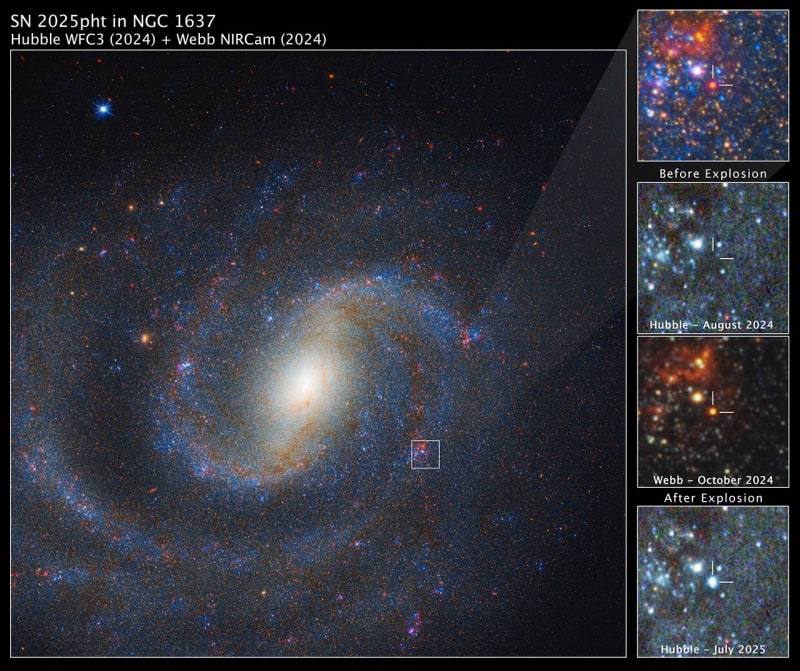
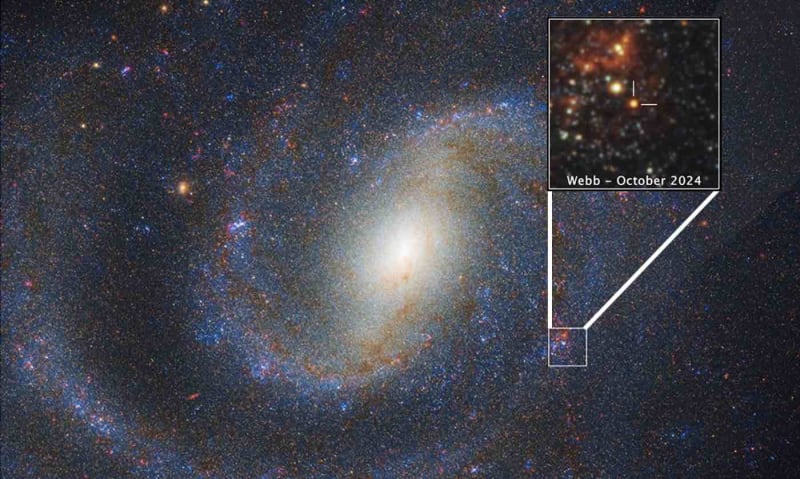
Webb Telescope Solves Mystery of Missing Red Supergiant Stars
Innovation•Feb 25

Webb Telescope Solves Mystery of Missing Red Supergiant Stars

NASA's James Webb Space Telescope just cracked a cosmic cold case 40 million years in the making by spotting the dusty red supergiant that exploded into supernova 2025pht. The discovery explains why some of the universe's most massive stars have been hiding in plain sight.

Google: James Webb telescope•3 min read
Webb Telescope Solves Mystery of Missing Red Stars
Innovation•Feb 25

Webb Telescope Solves Mystery of Missing Red Stars

NASA's Webb telescope just proved why aging stars seem to vanish before they explode. The answer hiding in 40 million year old light could rewrite what we know about dying stars.

Google: James Webb telescope•2 min read
Webb Telescope Spots Star Before It Exploded as Supernova
Innovation•Feb 23

Webb Telescope Spots Star Before It Exploded as Supernova

For the first time, NASA's Webb Telescope identified a star before it exploded, solving a decades-old mystery about missing supergiants. The discovery could explain why the universe's most massive dying stars have been so hard to find.

NASA•3 min read
Star Collapses Into Black Hole Without Exploding
Videos•Feb 16

Star Collapses Into Black Hole Without Exploding

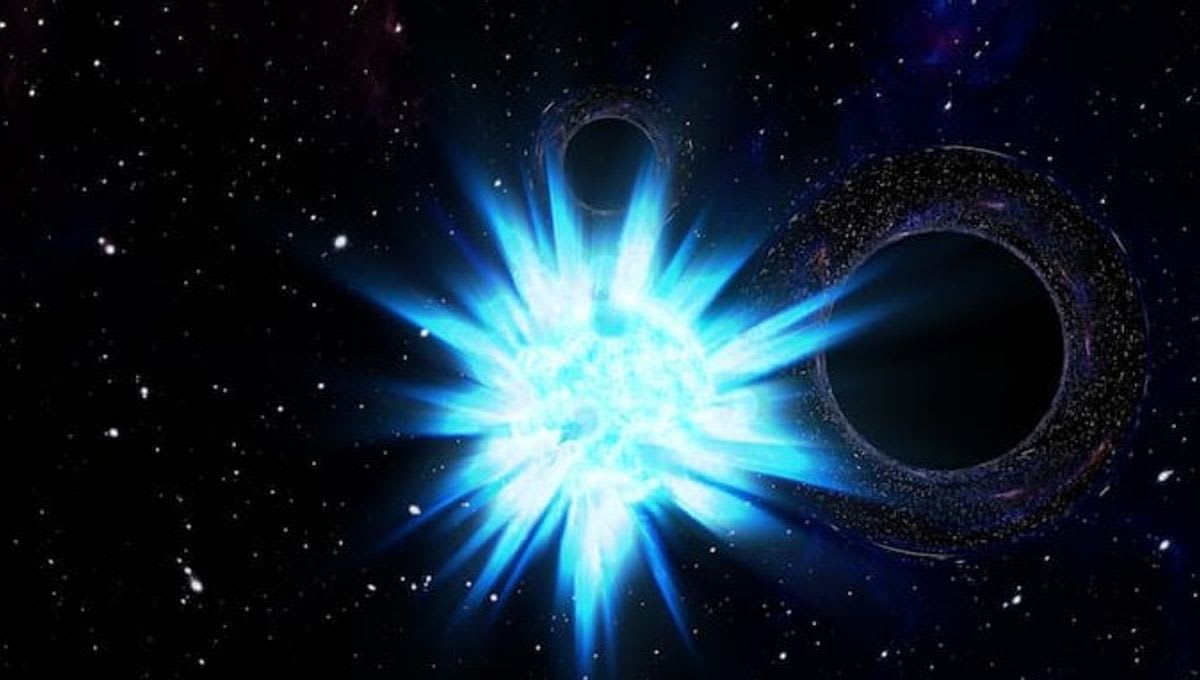
Astronomers discovered footage of a massive star quietly collapsing into a black hole without the usual supernova explosion, hiding in plain sight for a decade. The discovery challenges everything scientists thought they knew about how stars die.

Google News - Science•3 min read
IceCube Observatory Upgrade Unlocks Universe's Hidden Secrets
Innovation•Feb 14

IceCube Observatory Upgrade Unlocks Universe's Hidden Secrets

Scientists at Antarctica's South Pole just supercharged the world's largest neutrino detector, making it sensitive enough to see the invisible particles that hold secrets about exploding stars and the cosmos. The upgrade could help us witness a supernova in real time.

Google News - Science•2 min read
Star Vanishes, Becomes Black Hole in Real-Time
Innovation•Feb 13

Star Vanishes, Becomes Black Hole in Real-Time

For the first time, astronomers watched a massive star disappear and transform into a black hole without the usual supernova explosion. The discovery in the Andromeda galaxy could help scientists find countless hidden black holes across the universe. #

Google: NASA discovery•2 min read
Webb Telescope Spots 13-Billion-Year-Old Supernova
Innovation•Feb 5

Webb Telescope Spots 13-Billion-Year-Old Supernova

The James Webb Space Telescope captured light from a supernova that exploded when the universe was just 5% of its current age, shattering the previous distance record by over a billion years. The discovery reveals that ancient stars died in remarkably similar ways to stars today.

Google: James Webb telescope•2 min read
Radio Waves Reveal Star's Dramatic Final Years Before Death
Innovation•Jan 28

Radio Waves Reveal Star's Dramatic Final Years Before Death

Astronomers captured radio signals from an exploding star for the first time, revealing what happened in its final decade of life. The discovery gives scientists a powerful new tool to study how massive stars die across the universe.

Science Daily•3 min read
James Webb Spots Universe's Oldest Supernova Yet
Innovation•Jan 21

James Webb Spots Universe's Oldest Supernova Yet

Scientists discovered a massive star explosion from just 1 billion years after the Big Bang, offering a rare glimpse into how the earliest stars lived and died. The supernova, nicknamed Eos after the goddess of dawn, could help explain where the building blocks of life first came from.

Live Science•2 min read
Astronomers Discover Supernova That Will Reappear in 60 Years
Innovation•Jan 19

Astronomers Discover Supernova That Will Reappear in 60 Years

Scientists using the James Webb Space Telescope spotted a supernova whose light is taking multiple paths through space, with some images arriving now and others delayed by six decades. This cosmic phenomenon could finally help solve one of astronomy's biggest mysteries about how fast the universe is expanding.

Sky & Telescope•3 min read