NASA Captures 2,000-Year-Old Supernova's Shock Wave
NASA's newest space telescope has revealed stunning details of a supernova explosion that lit up Earth's skies two millennia ago. The discovery helps scientists understand why this ancient cosmic event expanded faster than expected.
Scientists just got their clearest look yet at a supernova that ancient astronomers watched explode in the night sky around the time of the Roman Empire.
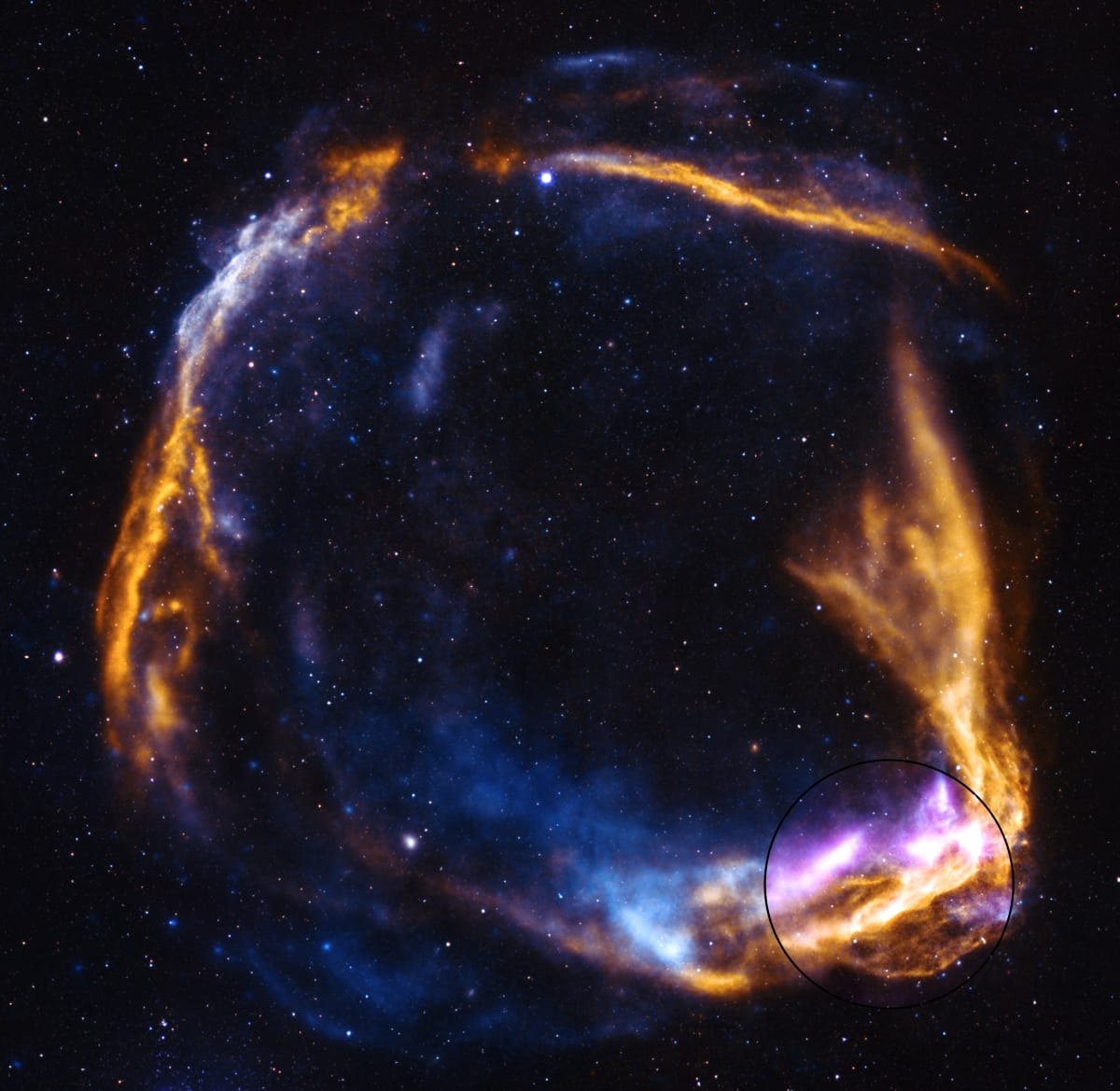
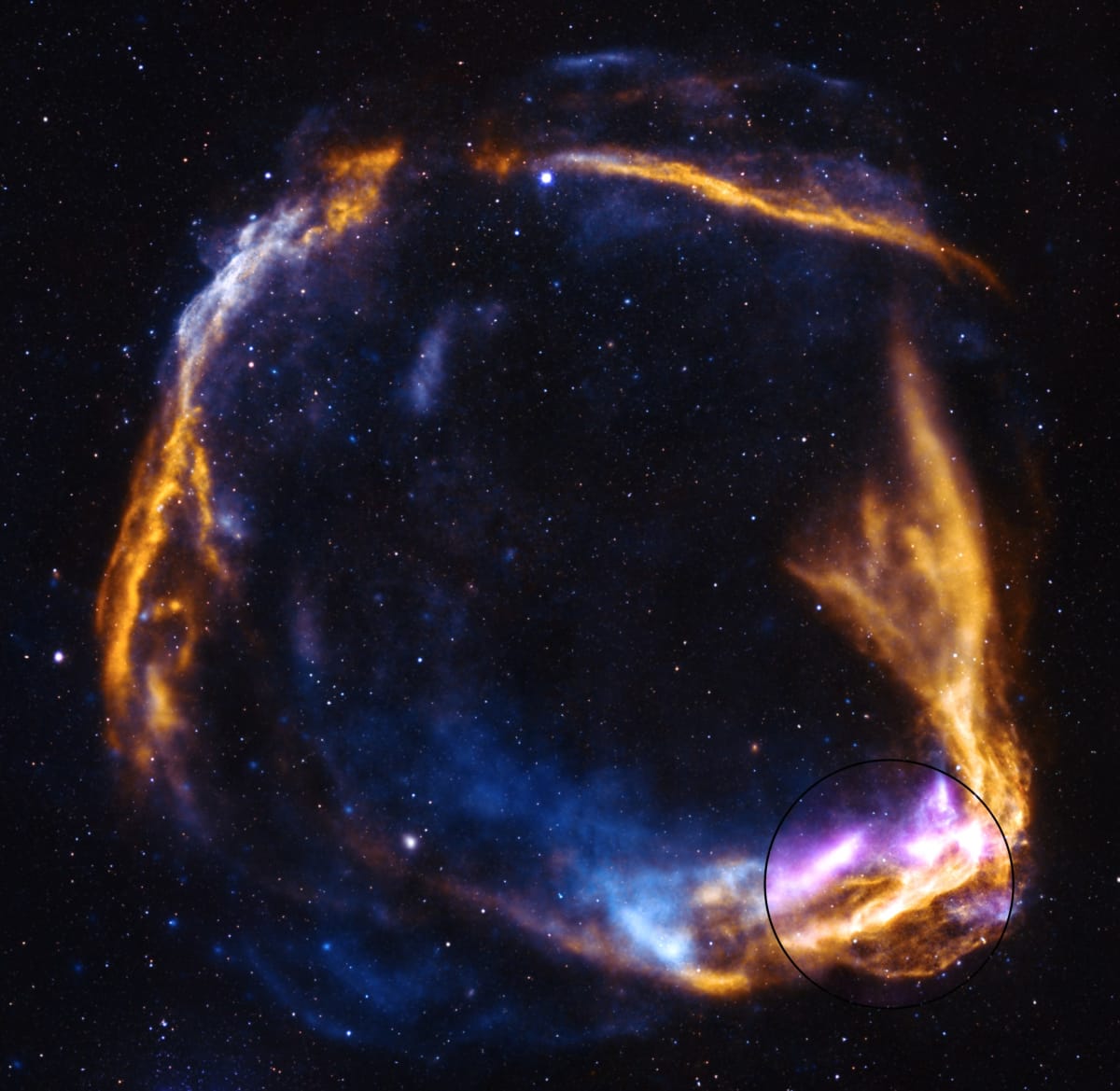
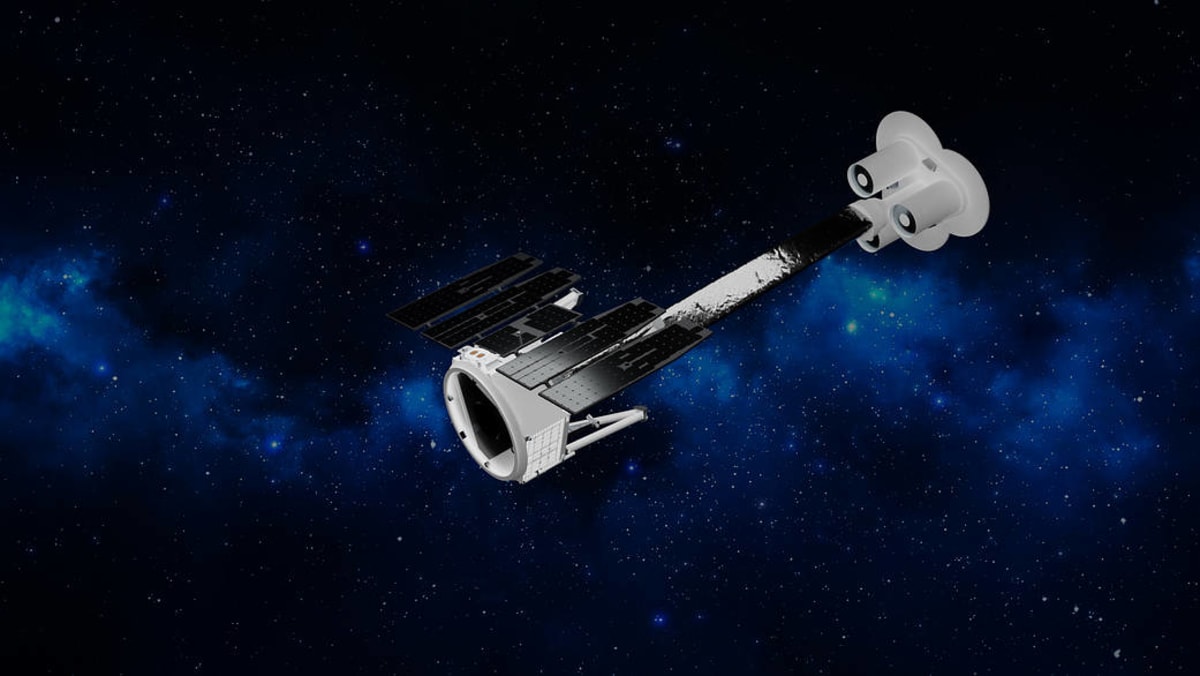
NASA's IXPE telescope recently observed RCW 86, a supernova remnant located thousands of light-years away. The mission captured something remarkable: the exact moment where the explosion's shock wave hit a wall and bounced back, creating a cosmic echo frozen in time.
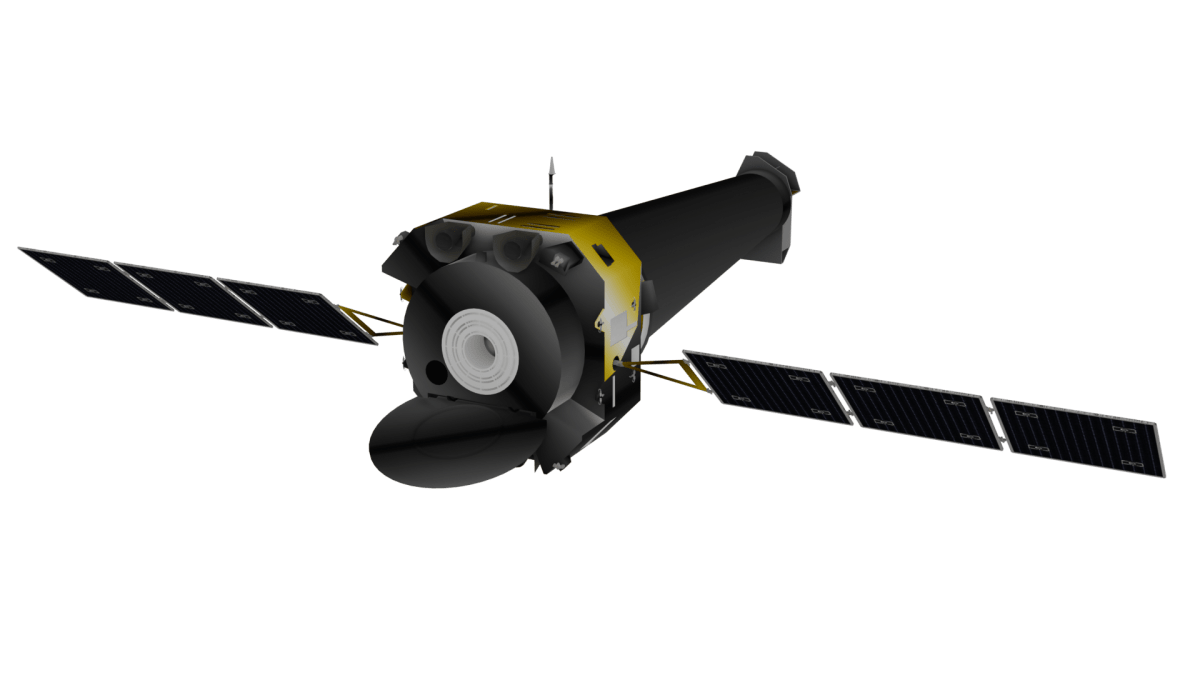
Here's what makes this explosion so unusual. When NASA's Chandra X-ray Observatory first studied RCW 86, scientists discovered the supernova had been expanding through a giant low-density bubble in space. Think of it like fireworks going off inside a cavern instead of open air.
That empty cavity explains why RCW 86 grew so rapidly and developed its unique, lopsided shape. The explosion raced outward until it crashed into denser material at the cavity's edge, creating the reflected shock wave IXPE just photographed in vivid purple.
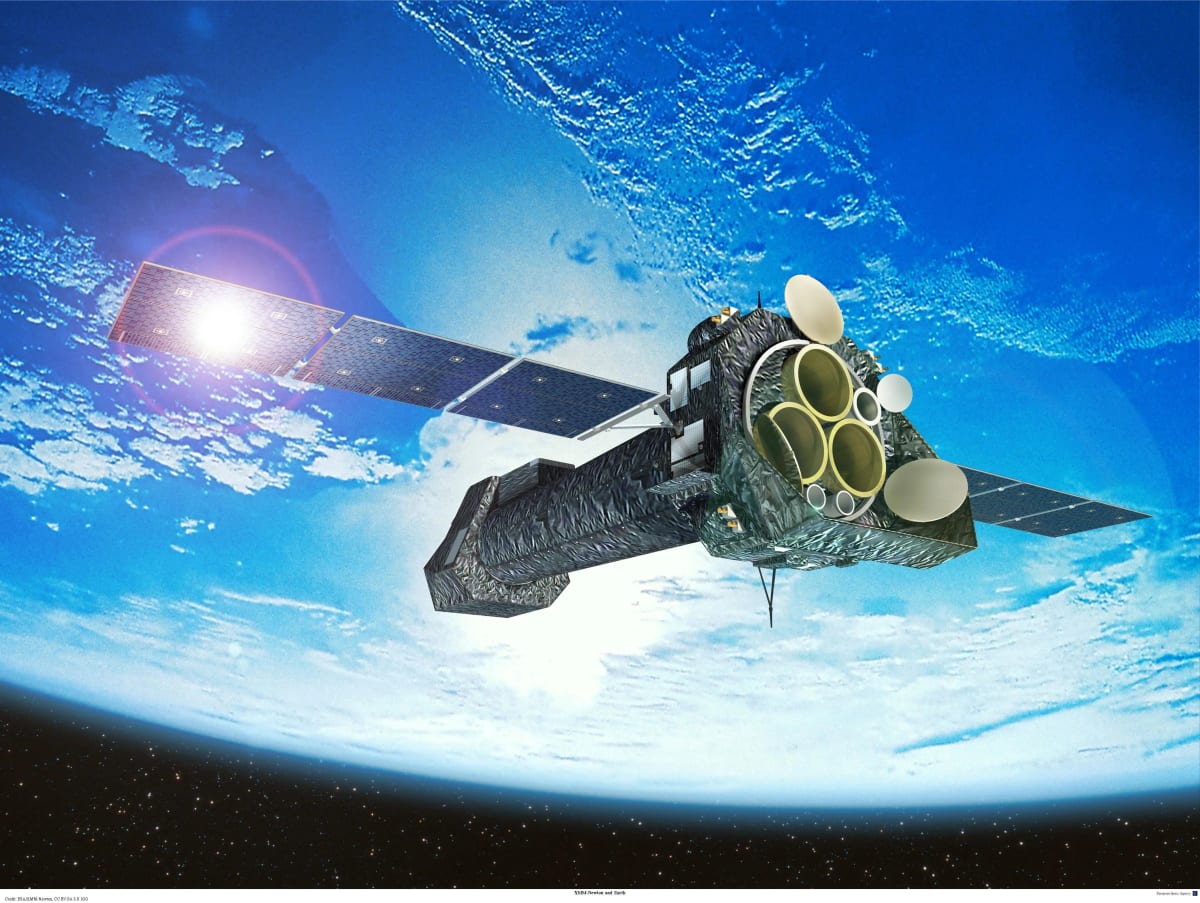
The new image combines observations from three different space telescopes working together across international borders. IXPE contributed the purple shock wave data, while Chandra and Europe's XMM-Newton telescope added yellow low-energy X-rays and blue high-energy X-rays. Ground-based telescopes filled in the starfield background.
Why This Inspires
This discovery shows how space agencies worldwide are collaborating to solve cosmic mysteries thousands of years in the making. IXPE is a joint mission between NASA and the Italian Space Agency, with partners in 12 countries contributing their expertise.
The telescope continues delivering unprecedented data about supernovas, black holes, and other extreme objects across the universe. Each observation helps scientists piece together how these massive explosions shape galaxies and spread the elements needed for planets and life.
Scientists at NASA's Marshall Space Flight Center in Alabama lead the mission, while teams at BAE Systems and the University of Colorado manage daily spacecraft operations. Together, they're turning ancient light into modern understanding.
Ancient astronomers recorded this explosion two thousand years ago without knowing what they were witnessing, and today's scientists are still uncovering its secrets.
More Images
Based on reporting by NASA
This story was written by BrightWire based on verified news reports.
Spread the positivity!
Share this good news with someone who needs it