NASA Cracks Asteroid Mystery With Porous Boulder Discovery
Scientists finally solved a puzzle that stumped them for nearly two decades: why asteroid Bennu looked nothing like they expected. The answer hiding inside rocks from space just changed what we know about our solar system.
For years, NASA scientists scratched their heads over a cosmic mystery that didn't add up.
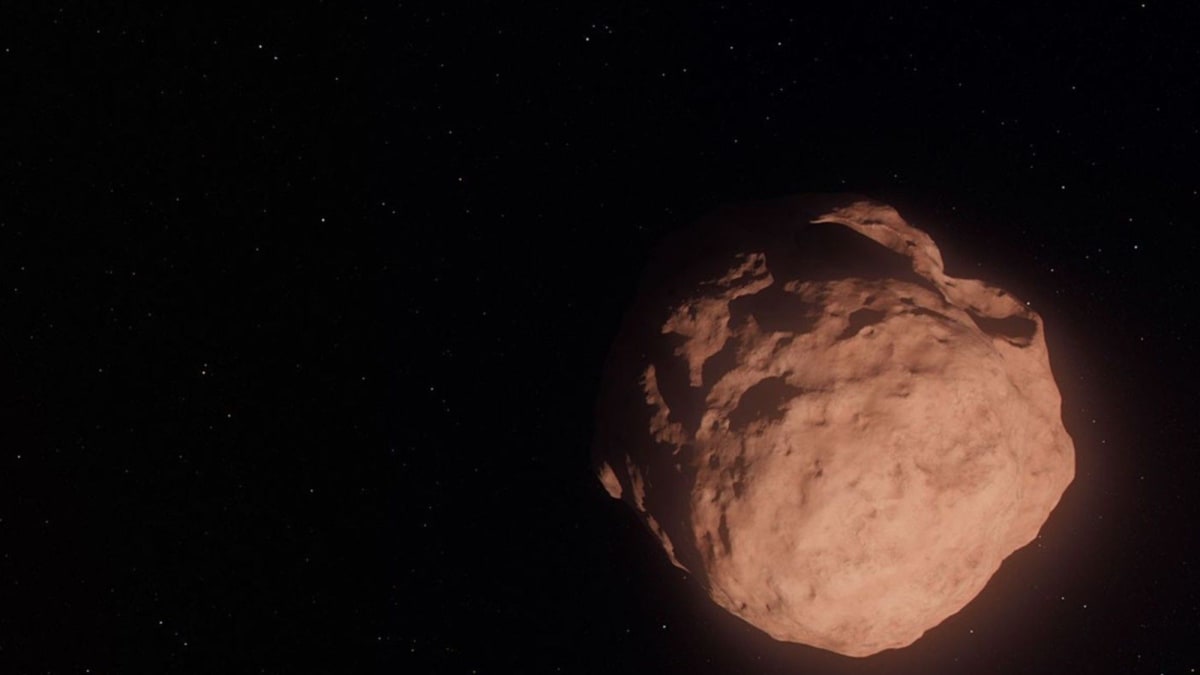
Back in 2007, the Spitzer Space Telescope spotted asteroid Bennu and measured something curious. The asteroid's surface heated up and cooled down rapidly as it spun through space, just like sand on a beach shifts temperature when the sun sets. Scientists expected to find Bennu covered in smooth, sandy terrain when they got a closer look.
But when the OSIRIS-REx spacecraft arrived at Bennu in 2018, the team got a huge surprise. Instead of sandy beaches, they found a world covered in giant boulders.
This created a real head-scratcher. Boulders should behave like concrete blocks, holding onto heat long after darkness falls. Yet Bennu's temperature readings suggested something completely different was happening on its surface.
The OSIRIS-REx team had a hunch during their survey of the asteroid. Maybe these boulders weren't solid at all, but filled with tiny spaces and cracks that let heat escape quickly.
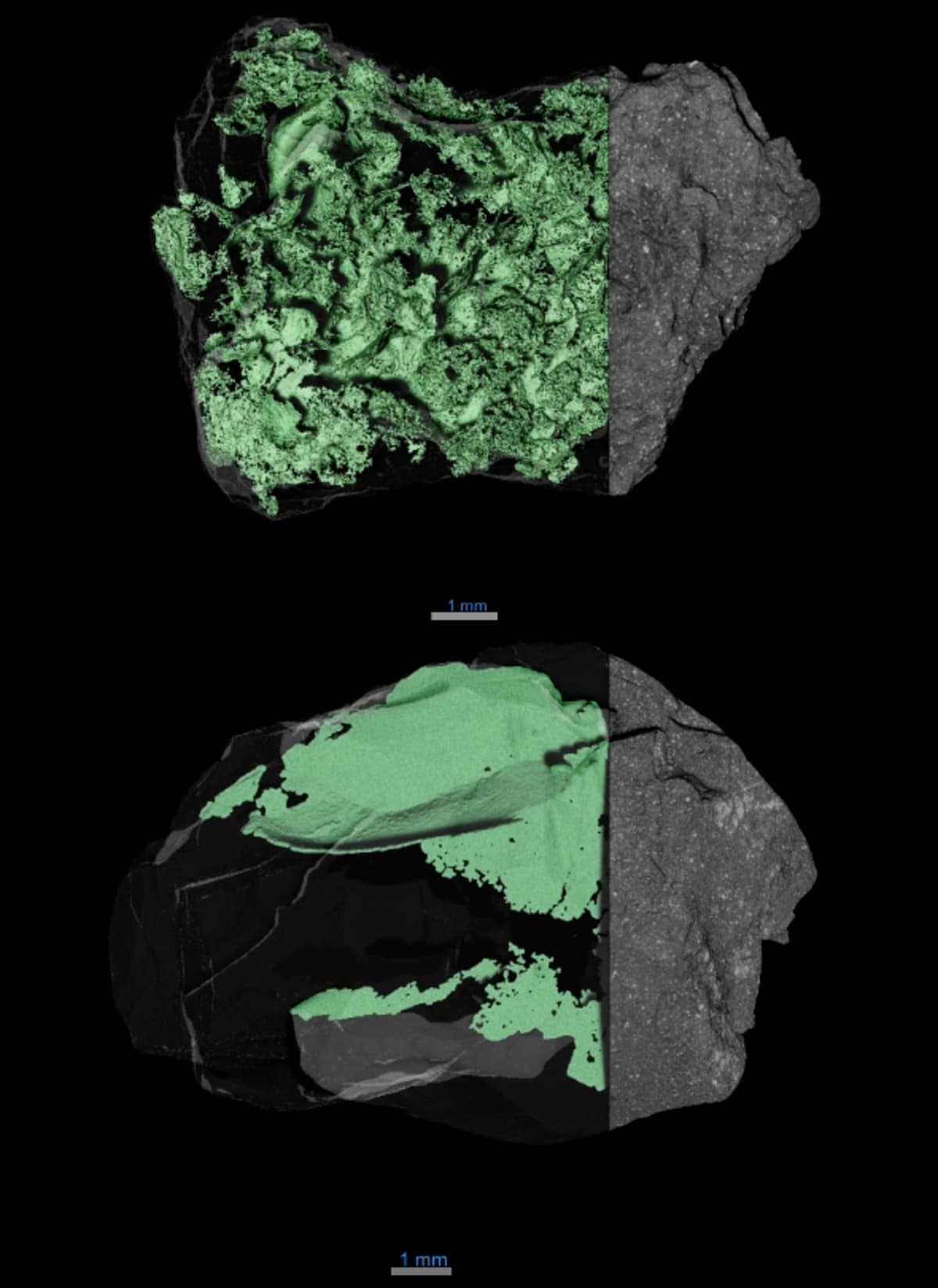
They had to wait until the spacecraft brought samples back to Earth to find out if they were right. On March 17, 2026, NASA released X-ray scans that peered inside pieces of Bennu, revealing an intricate network of cracks running through the rocks.
The scans confirmed what scientists suspected. These space boulders are surprisingly porous, riddled with tiny passages that allow heat to flow through them in unexpected ways. It's like comparing a sponge to a brick, even though both might look similar from the outside.
Why This Inspires
This discovery shows how persistence pays off in science. NASA teams spent nearly 20 years puzzling over conflicting data, refusing to give up until they could touch the rocks themselves and learn their secrets.
The find also reveals that asteroids are more complex than we imagined. Each new sample returned from space rewrites our understanding of the building blocks that formed our solar system. What looks simple from millions of miles away often holds beautiful complexity when we look closer.
Future asteroid missions can now use this knowledge to better predict what they'll encounter. The mystery that baffled researchers for two decades became a breakthrough that will guide space exploration for years to come.
More Images
Based on reporting by NASA
This story was written by BrightWire based on verified news reports.
Spread the positivity!
Share this good news with someone who needs it