NASA Develops Plasma Gun to Clean Astronaut Laundry in Space
Astronauts on the International Space Station wear the same clothes for days, then burn them in Earth's atmosphere. A new "laundry gun" that blasts fabric with cold plasma could finally give space travelers on Mars and the Moon a way to wash their clothes.
Astronauts headed to Mars might finally get to do something most of us take for granted: clean laundry.
Researchers Gabe Xu at the University of Alabama in Huntsville and Chelsi Cassilly at NASA's Marshall Space Flight Center have created a device that kills odor-causing microbes with a beam of purple plasma. The technology could transform long-duration space missions by letting astronauts pack lighter and enjoy more creature comforts.
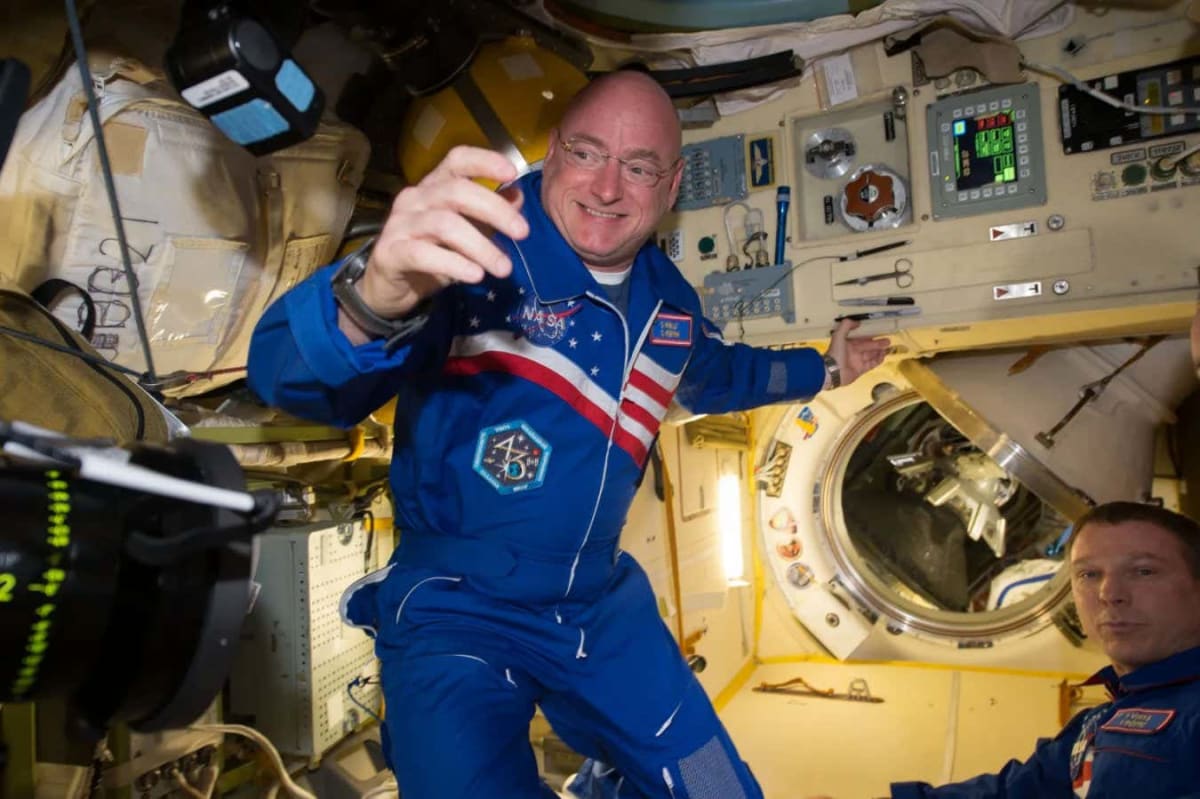
Right now, astronauts on the International Space Station wear the same outfits for days before tossing them into cargo ships that burn up during reentry. That system works for missions with regular resupply runs from Earth, but it won't cut it for years-long journeys to Mars or permanent lunar bases.
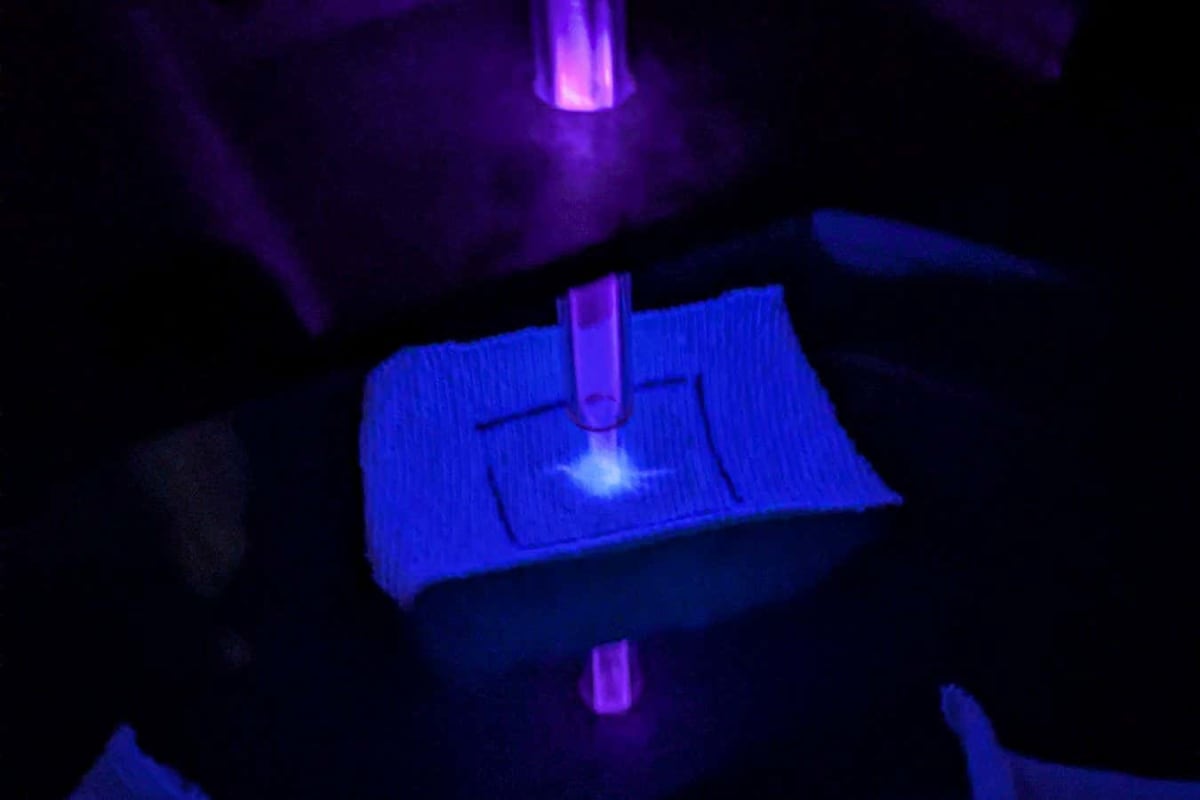
The plasma gun works by shooting a mixture of helium, air, and water vapor through powerful electrical bursts. This creates oxygen ions that seep into fabric fibers and kill microbes through oxidative stress, essentially poisoning them from the inside.
Unlike UV light sanitization, which some hardy microbes can survive, the oxidative stress appears universally lethal. "If you eat poison, it kills you," Xu explained at the Astrobiology Science Conference in Wisconsin in May.
Tests on cotton fabric showed dramatic results. The plasma beam reduced bacterial colonies from 250,000 per milliliter to about 60,000, all without damaging the material or creating heat.
Despite the intimidating name, the technology is surprisingly gentle. You could safely put your hand in the plasma beam, unlike the scorching temperatures of lightning or arc welding. The purple glow is cool to the touch.
The Ripple Effect
The current prototype only sanitizes a patch smaller than a centimeter at a time, so Xu and Cassilly are developing more practical versions. One design resembles a washing machine that pipes plasma into a chamber with dirty clothes. Another combines a plasma jet with a vacuum cleaner for sanitizing surfaces like couches and chairs.
That second application matters more than it might seem. Astronauts spending years on Mars will crave the comforts of home, like a soft place to sit after a long day of exploration. Without a way to keep furniture clean, mission planners would likely skip such "luxuries" to save weight and reduce contamination risks.
The plasma technology could change that calculation entirely. A small, efficient cleaning device would let future space travelers bring items that make distant habitats feel more human, improving mental health and quality of life during isolation.
Beyond space, the gentle cleaning power could eventually find uses on Earth, though the researchers are focused on perfecting it for NASA first.
After decades of wearing dirty socks in space, astronauts might finally get their laundry day.
More Images

Based on reporting by New Scientist
This story was written by BrightWire based on verified news reports.
Spread the positivity!
Share this good news with someone who needs it