NASA Finds Asteroid Cracks That Explain Space Mystery
Scientists peering inside rocks from asteroid Bennu discovered something unexpected: tiny crack networks that solve a puzzle about how asteroids behave in space. The discovery came from samples that traveled 4 billion miles to reach Earth.
NASA has solved a cosmic puzzle by looking inside pieces of an asteroid, revealing hidden cracks that explain why some space rocks heat up and cool down so quickly.
In September 2023, the OSIRIS-REx spacecraft delivered samples from asteroid Bennu after a historic 4 billion mile journey. Scientists at NASA's Johnson Space Center have been studying these precious fragments ever since, and their latest discovery solves a mystery that telescopes alone couldn't crack.
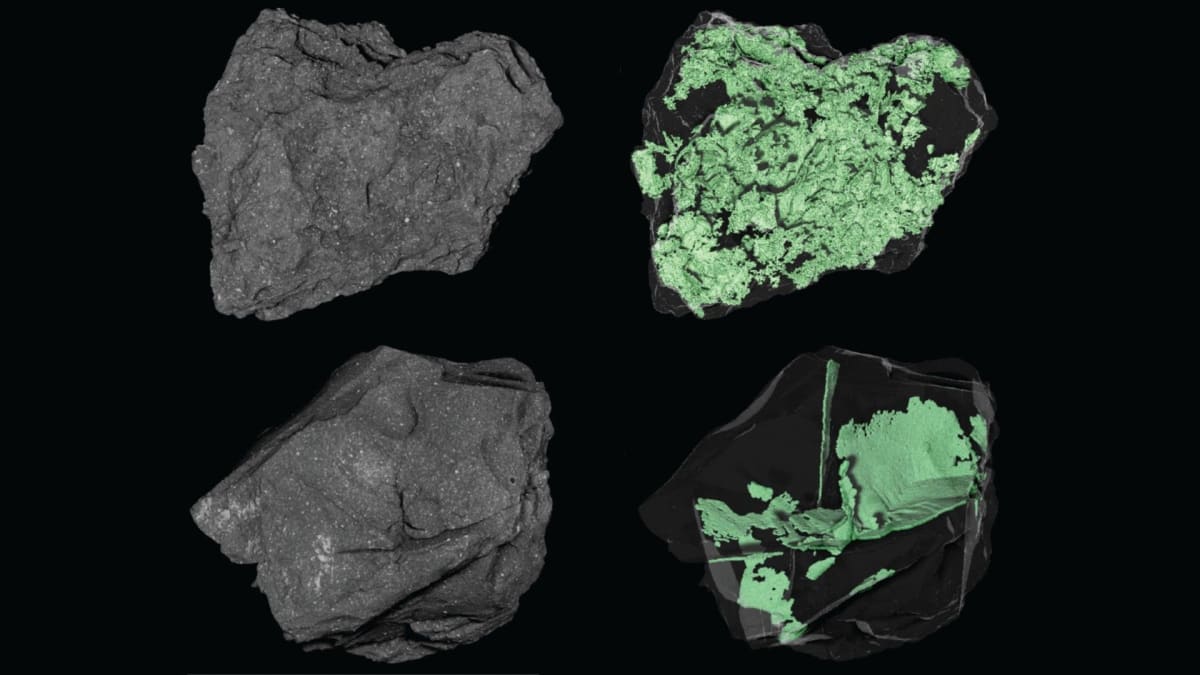
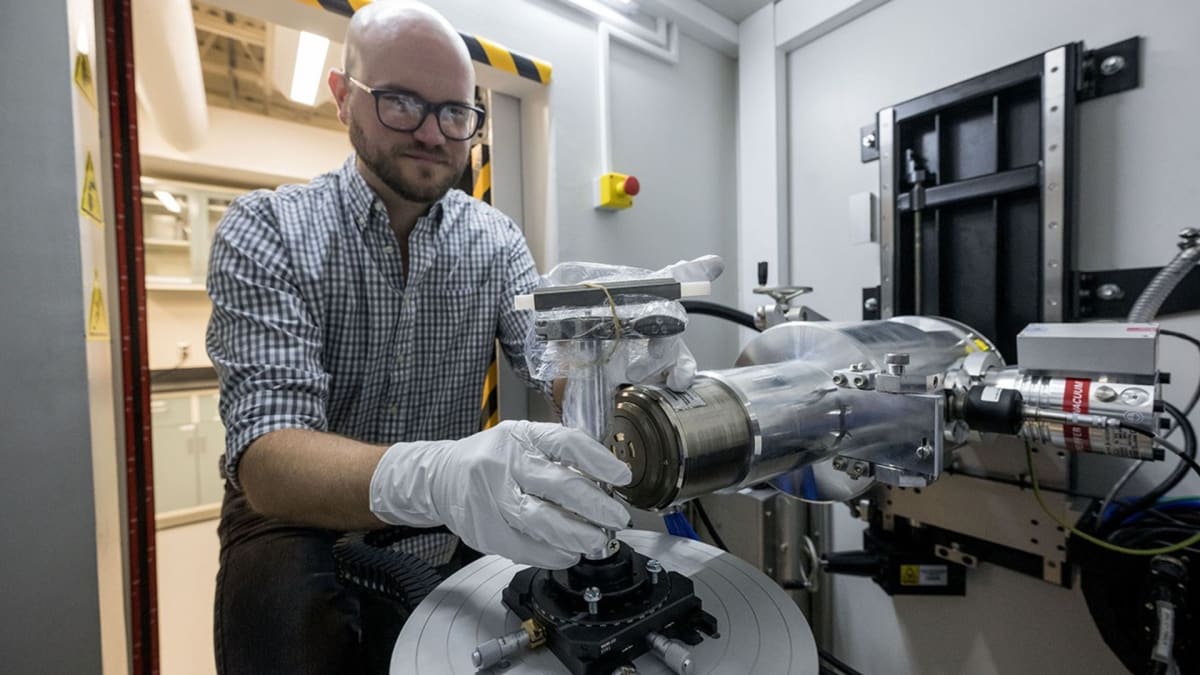
Using X-ray computed tomography, the same imaging technology hospitals use for medical scans, researchers peered inside the rock particles without damaging them. What they found surprised them: extensive networks of fine cracks running throughout the samples.
"It turns out that they're really cracked too, and that was the missing piece of the puzzle," said Andrew Ryan, who led the sample analysis team. The cracks explain why Bennu has such low thermal inertia, meaning its surface temperature changes rapidly as it rotates in and out of sunlight.
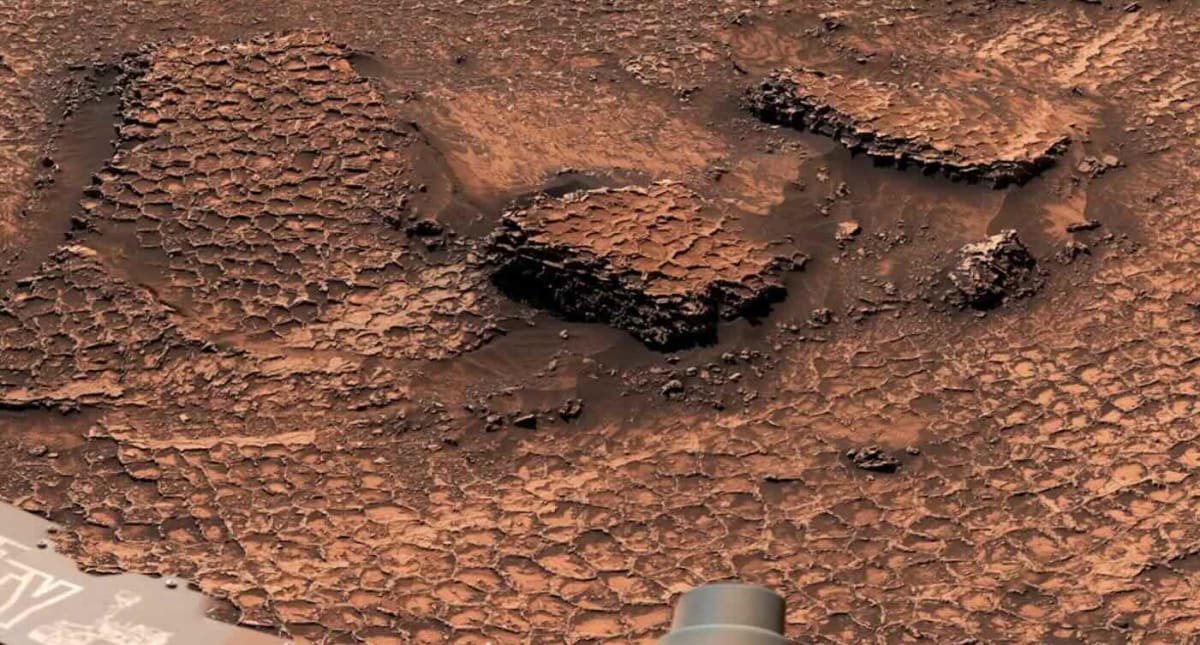
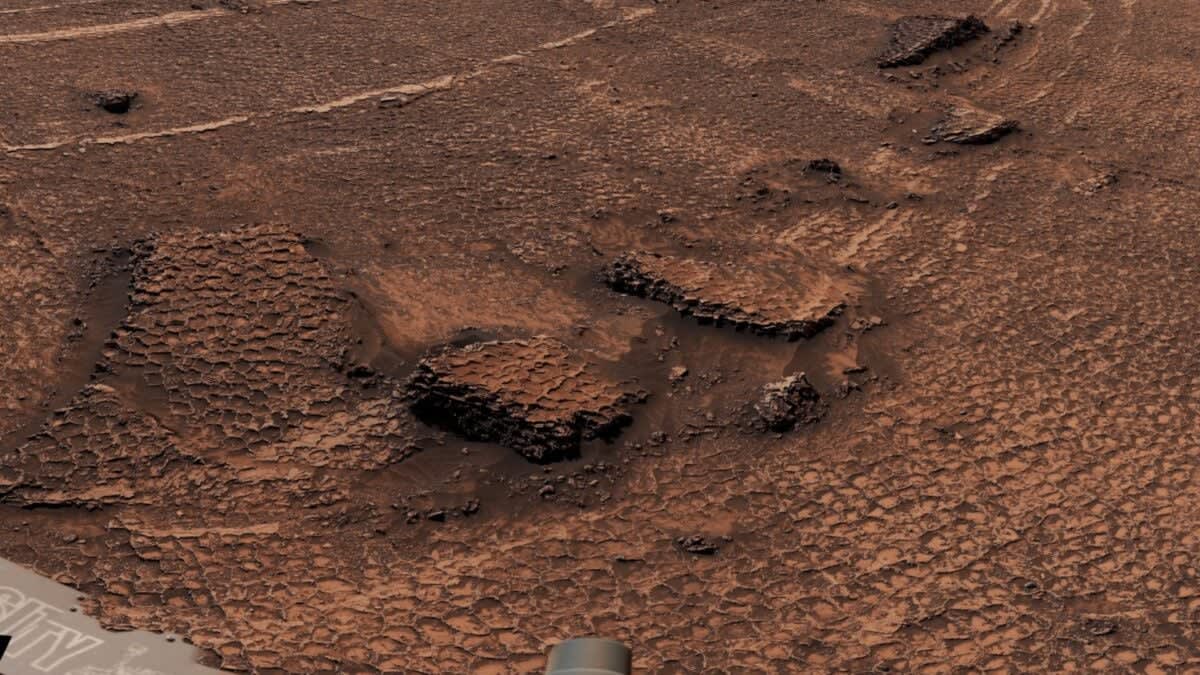
Before analyzing the actual samples, scientists suspected Bennu might be more porous than it appeared through telescopes. The asteroid's boulder-covered surface didn't look particularly porous from afar, but the thermal readings suggested something was different about its structure.
The crack networks act like tiny insulation gaps, preventing heat from spreading efficiently through the rock. This discovery helps scientists understand not just Bennu, but potentially thousands of other asteroids we observe from Earth.
Why This Inspires
This breakthrough shows how bringing even tiny pieces of space back to Earth can answer questions that billion-dollar telescopes cannot. The Bennu samples, some smaller than grains of sand, are teaching us to better interpret what we see through our instruments when observing distant objects.
The research also builds on earlier exciting findings from these same samples. Scientists previously discovered that Bennu contains amino acids, the building blocks of life as we know it, and appears to be older than our own solar system.
Now researchers can better predict asteroid structures based on thermal properties observable from Earth, potentially identifying which space rocks might be worth studying in future missions. Understanding asteroid composition also helps scientists track how our solar system formed and evolved over billions of years.
The samples that made this discovery possible represent humanity's ability to reach across vast distances and bring back pieces of our cosmic history. Those cracks in ancient space rocks are opening windows into understanding our celestial neighborhood.
More Images


Based on reporting by Space.com
This story was written by BrightWire based on verified news reports.
Spread the positivity!
Share this good news with someone who needs it