NASA Finds First Lightning on Mars After 10 Years
Scientists discovered the first direct evidence of lightning on Mars hiding in decade-old spacecraft data. The rare detection offers a breakthrough in understanding the Red Planet's mysterious atmosphere.
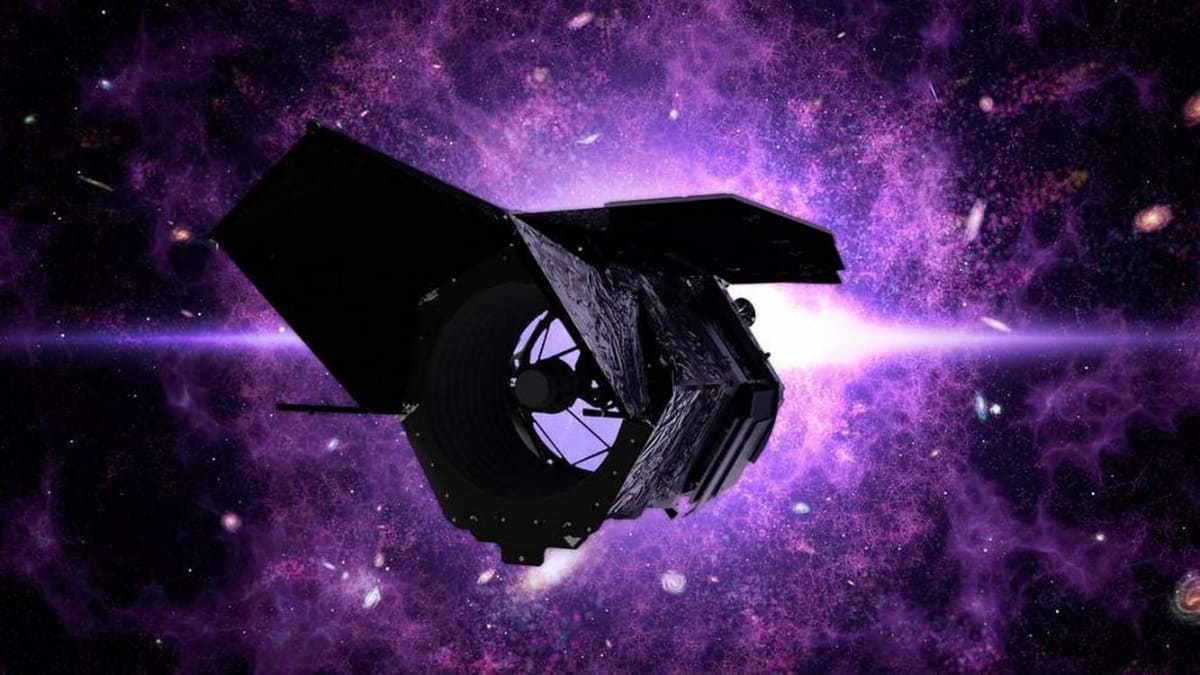
After sifting through ten years of data from NASA's MAVEN spacecraft, scientists found something they'd been hoping to see: the first direct proof of lightning on Mars.
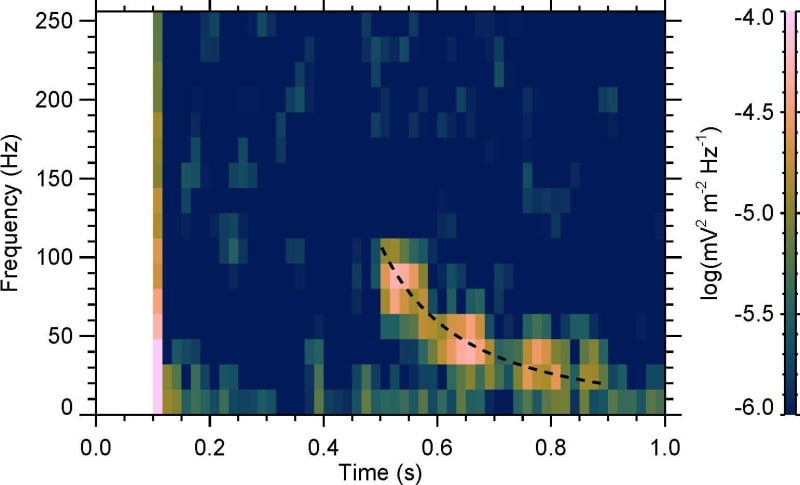
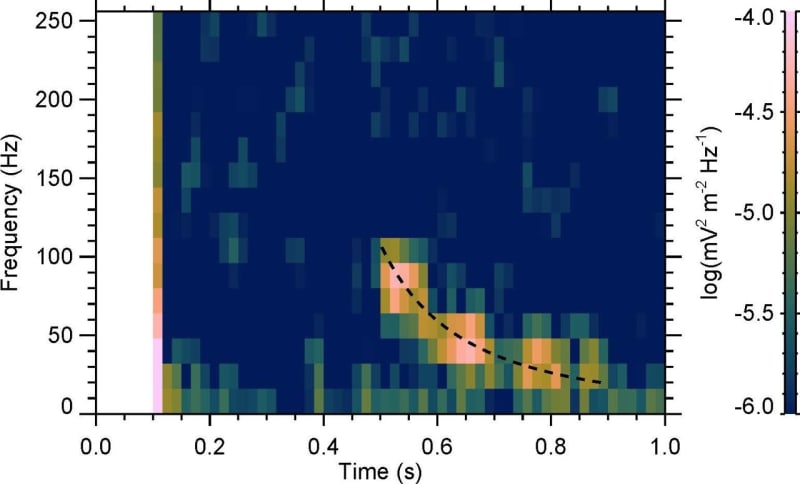
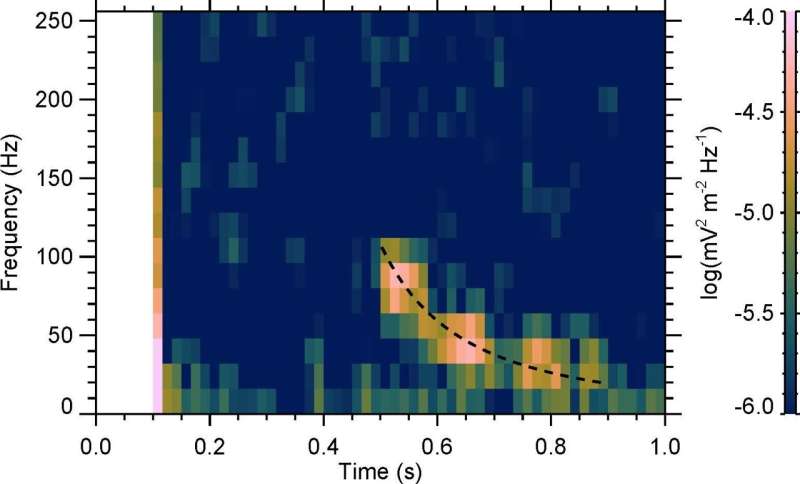
The team discovered a single electromagnetic signal called a "whistler wave" among more than 108,000 measurements. These radio waves are created by lightning and commonly detected on Earth, but finding one on Mars is like winning a cosmic lottery.
The discovery, published in Science Advances this month, solves a longstanding mystery about Mars. Scientists knew lightning was theoretically possible during the planet's massive dust storms, where colliding dust particles create electrical charges. Lab experiments confirmed it could happen. But actually catching it was another story.
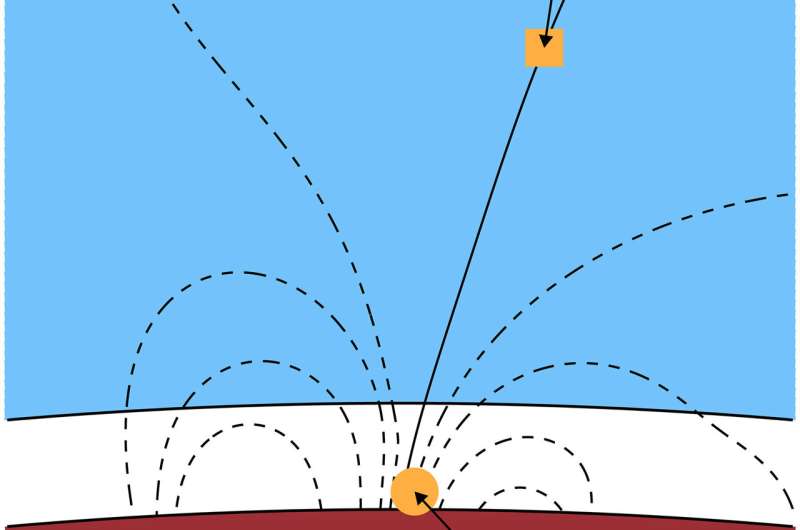
Mars makes lightning detection incredibly difficult because it lacks Earth's global magnetic field. Without that protective bubble, whistler waves can only travel along scattered patches of magnetism in the Martian crust. These patches are stronger in the southern hemisphere but still tiny compared to Earth's magnetic shield.
The detected signal lasted just 0.4 seconds and reached frequencies up to 110 Hz. It looked remarkably similar to lightning signals from Earth. The spacecraft had to be in exactly the right place at the right time: on Mars' night side, where the magnetic field pointed vertically upward, with perfect atmospheric conditions. Only 290 measurements out of 108,000 met those criteria.
While researchers can't pinpoint the exact location of the discharge or confirm it came from a dust storm, their models show the wave could have traveled from the surface to the orbiter. The math checks out perfectly.
The Ripple Effect
This single measurement opens doors for future Mars missions. Knowing that lightning exists on Mars helps scientists understand how the planet's atmosphere works and what equipment future astronauts might need to stay safe during dust storms.
The discovery also adds Mars to an exclusive club. Whistler waves have been observed on Jupiter, Saturn, and Neptune, but those gas giants have strong magnetic fields that make detection easier. Mars proved it can generate these signals despite losing its global magnetism billions of years ago.
Scientists now know that lightning on Mars isn't impossible, just incredibly rare or difficult to detect. The finding demonstrates that even decade-old data can yield fresh surprises when dedicated researchers keep looking.
One lucky measurement has given humanity new insight into our neighboring planet's electrical secrets.
More Images
Based on reporting by Phys.org
This story was written by BrightWire based on verified news reports.
Spread the positivity!
Share this good news with someone who needs it