NASA Fuels Artemis 2 Rocket for First Moon Crew in 50 Years
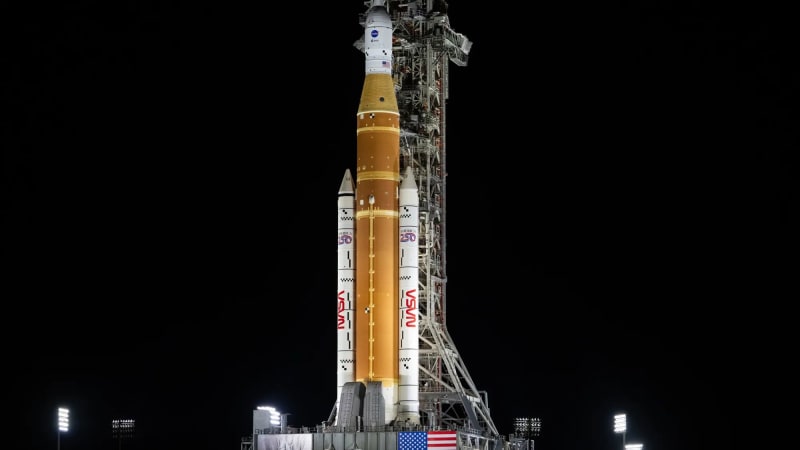
NASA is loading 700,000 gallons of fuel into its Artemis 2 moon rocket today as four astronauts prepare to become the first humans near the moon since 1972. This critical test brings us one step closer to a new era of lunar exploration.
For the first time in over five decades, a rocket designed to carry humans to the moon is being fueled up and prepared for launch.
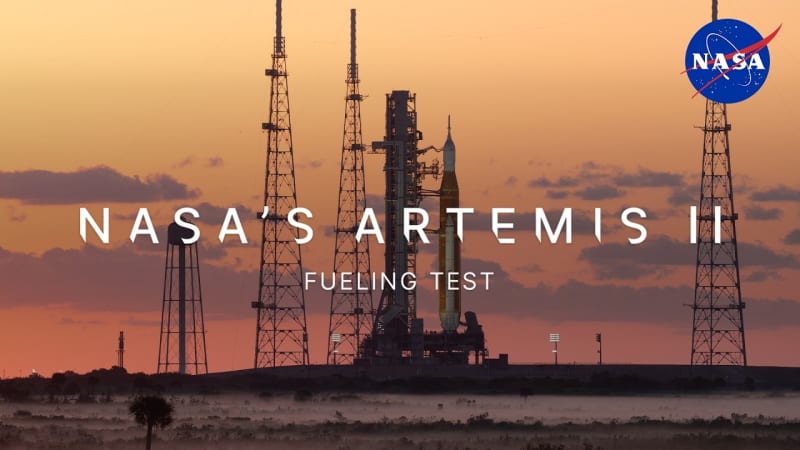
NASA began its wet dress rehearsal for Artemis 2 on Saturday night, a two-day countdown simulation that mirrors every step of an actual launch. The most critical part happens today: pumping more than 700,000 gallons of super-cold liquid oxygen and liquid hydrogen into the massive Space Launch System rocket.
Four astronauts are watching closely. NASA's Reid Wiseman, Victor Glover, Christina Koch, and Canadian Space Agency's Jeremy Hansen will make the roughly 10-day journey around the moon and back to Earth. When they lift off on February 8, they'll become the first people to venture into lunar space since Apollo 17 touched down in December 1972.
The fueling process is notoriously tricky, especially with liquid hydrogen. Its molecules are so tiny they can escape through the smallest cracks. During Artemis 1's wet dress rehearsals in 2022, hydrogen leaks delayed the mission by months.
But those setbacks led to success. Artemis 1 finally launched in November 2022, sending an uncrewed Orion capsule on a flawless trip to lunar orbit and back. The mission proved the technology works.
Now the stakes are higher with human lives aboard. The rocket sits ready at Launch Pad 39B at Kennedy Space Center in Florida, the same facility that launched astronauts to the moon during the Apollo era. It rolled out from the Vehicle Assembly Building on January 17.
The Ripple Effect
This mission represents more than a trip around the moon. It's the foundation for Artemis 3, which will land the first woman and first person of color on the lunar surface. Beyond that, NASA plans to establish a permanent human presence on and around the moon, using it as a proving ground for eventual missions to Mars.
The crew itself breaks barriers. Christina Koch will be the first woman to fly to the moon, while Victor Glover will be the first person of color to make the journey. Jeremy Hansen's presence marks Canada's deepening role in space exploration.
If weather or technical issues prevent the February 8 launch, backup dates are available on February 10 and 11. Additional launch windows open in March and April, giving the team flexibility to get everything perfect.
Today's fueling test is humanity's dress rehearsal for our return to deep space.
More Images

Based on reporting by Space.com
This story was written by BrightWire based on verified news reports.
Spread the positivity!
Share this good news with someone who needs it