NASA-Funded Lab Chips Could Test Space Safety Before Liftoff
Before astronauts venture to the Moon or Mars, miniature versions of their organs might make the journey first. These tiny tissue chips could unlock safer, faster ways to protect humans in deep space.
Imagine sending a shoebox-sized container into space that could save lives without a single astronaut on board.
That's the promise of tissue chips, miniature lab-grown organ systems that scientists are developing to test how the human body responds to the harsh environment of deep space. The Translational Research Institute for Space Health is leading the charge to make these tiny biological laboratories the future of space medicine.
Here's how it works. Scientists can engineer these chips from an astronaut's own cells, creating thumbnail-sized versions of lungs, hearts, or other organs. These chips then travel to space on unmanned missions, where researchers can study how cosmic radiation and weightlessness affect human tissue without putting anyone at risk.
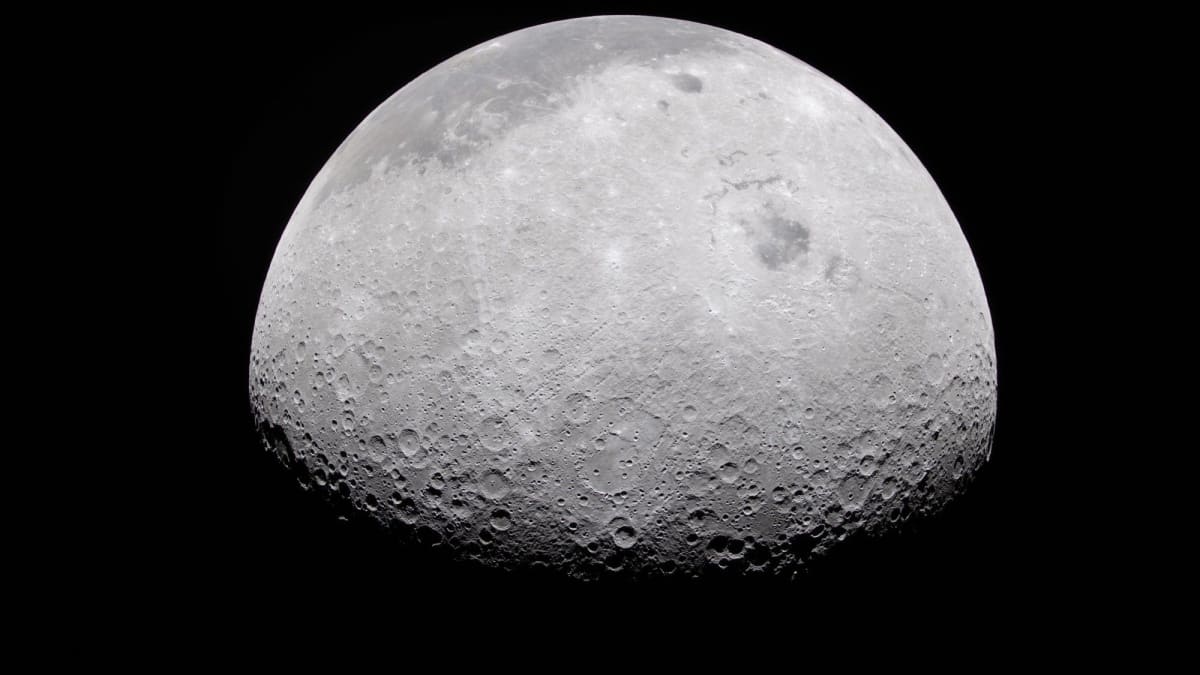
The timing couldn't be more critical. NASA's Artemis missions will expose astronauts to deep space radiation far longer than any humans have experienced in 50 years. Unlike the International Space Station, which orbits close enough to Earth for some protection, lunar missions venture into truly hazardous territory where cosmic radiation poses unknown threats.
Traditional research methods face serious limitations. Mouse studies fail to predict human responses nearly 90 percent of the time in clinical trials. Collecting samples from astronauts is challenging and time-consuming, and animal models don't always translate to human biology.
Tissue chips solve these problems elegantly. They provide human-relevant data without relying on scarce astronaut time or returning samples to Earth for months of analysis. A single unmanned mission carrying these chips could test multiple radiation countermeasures simultaneously, dramatically speeding up the process of finding what works.
The technology builds on nearly a decade of groundwork. Early tissue chip missions proved these delicate biological systems could survive launch and function in orbit. Now researchers are taking the next step with TRISH's SENTINEL initiative, developing multi-tissue systems that can test how different radiation doses affect human cells and evaluate protective countermeasures.
The Ripple Effect goes beyond space exploration. These same chips could revolutionize medicine on Earth, offering better drug testing and disease research without animal testing. The advances needed for space applications will improve how we study aging, cancer treatment, and countless other health challenges affecting people worldwide.
As the International Space Station approaches decommissioning, opportunities for traditional space health research are shrinking just as exploration ambitions are growing. Tissue chips offer a path forward that's safer, more efficient, and potentially more affordable than previous methods.
This tiny technology could be the key that unlocks humanity's future among the stars, one cell at a time.
More Images

Based on reporting by SpaceNews
This story was written by BrightWire based on verified news reports.
Spread the positivity!
Share this good news with someone who needs it