NASA Hunts Moon Ice to Power Future Lunar Living
NASA is teaming up with Japan and India to scan the Moon's South Pole for water ice that could let astronauts breathe, refuel rockets, and build a lasting lunar home. The mission launches in 2028 with a special tool that spots hidden ice without drilling.
Finding water on the Moon just became humanity's next great treasure hunt, and it could change everything about space exploration.
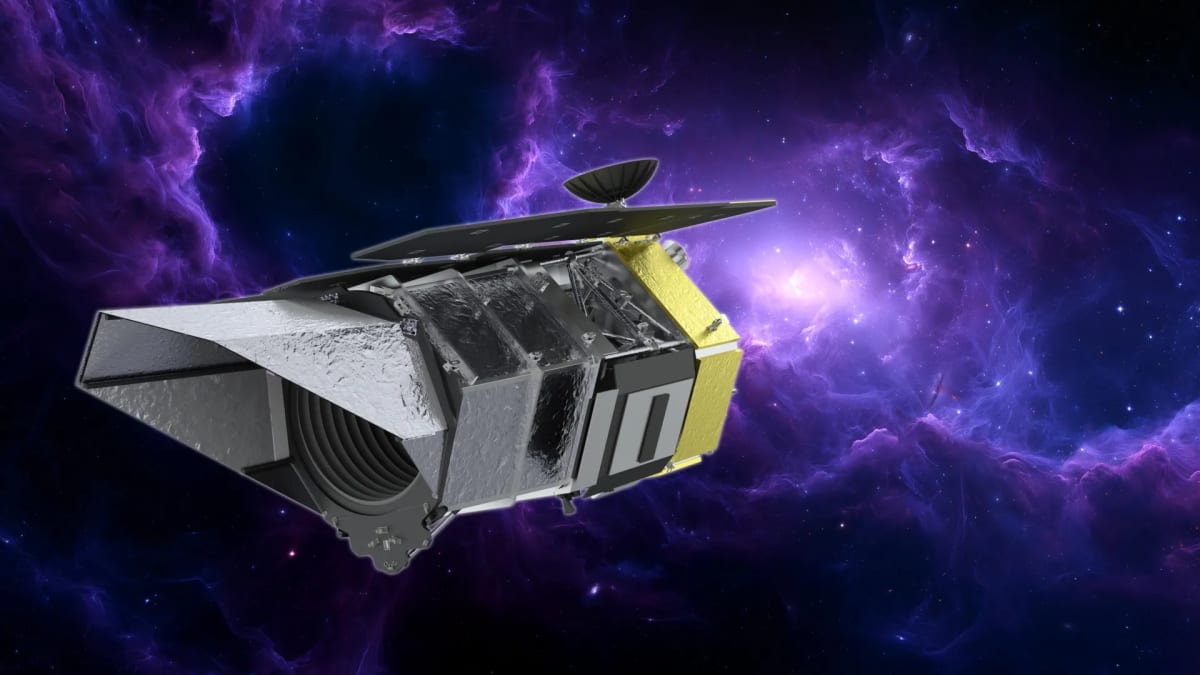
NASA is sending a water-detecting instrument aboard an international rover mission to the Moon's South Pole in 2028. The Neutron Spectrometer System will ride on the LUPEX rover, a partnership between Japan's JAXA and India's ISRO, to map hidden ice deposits that future astronauts could tap for survival and fuel.
The stakes are huge. Instead of hauling every ounce of water from Earth at enormous cost, astronauts could convert lunar ice into breathable air and rocket propellant. That single breakthrough could transform the Moon from a destination into a true outpost for deeper space exploration.
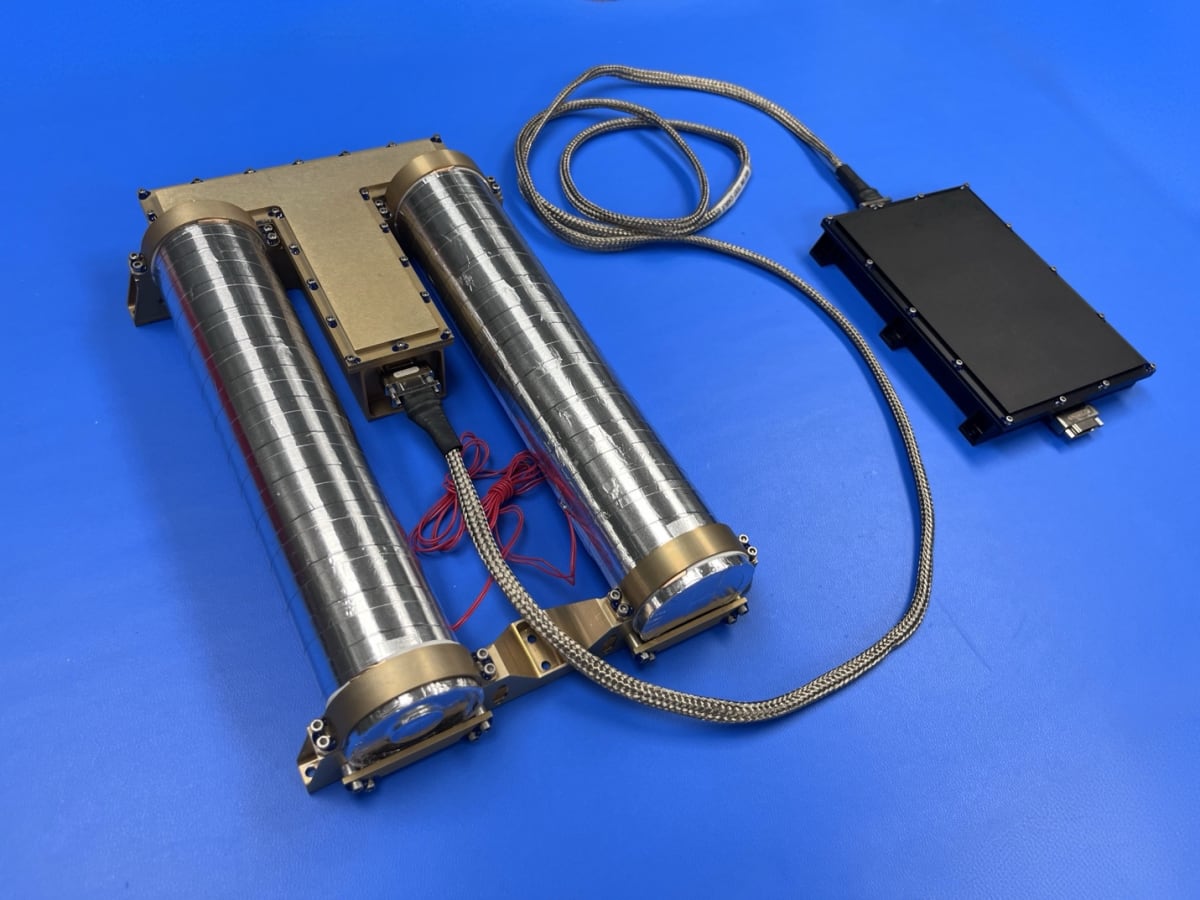
The clever science behind the hunt involves chasing particles called neutrons. These tiny particles bounce around in lunar soil, and when they hit hydrogen atoms (the H in H2O), fewer medium-energy neutrons escape the surface. The NSS instrument counts these missing neutrons using special tubes filled with helium-3 gas, revealing ice hidden up to three feet underground without ever breaking the surface.
Rick Elphic, who leads the NSS project at NASA's Ames Research Center in California, explains the current challenge. Scientists know ice exists at the poles from orbit, but they need ground-level details to know exactly where to land and how much they can harvest.
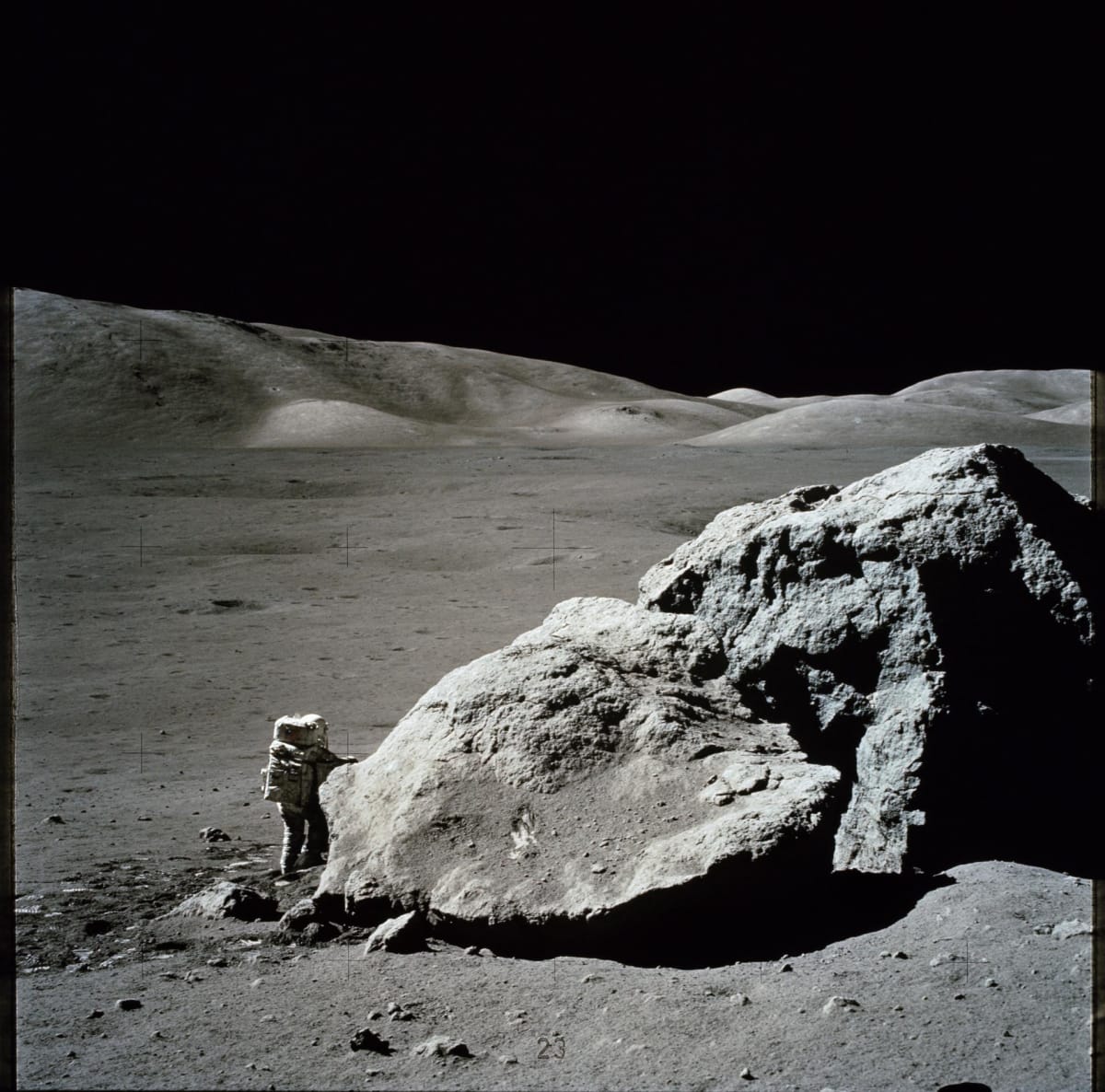
The Moon's South Pole holds the most promise because permanently shadowed craters there could preserve ancient ice deposits. While most lunar water exists as scattered molecules in the dusty regolith covering the surface, concentrated ice patches below ground would be far more useful for supporting human life.
The Ripple Effect
This mission represents just one piece of a growing international water-hunting campaign. NASA has built multiple NSS instruments for different Moon missions, including the VIPER rover and a micro rover from Carnegie Mellon University. Each expedition will scout different sites, building a comprehensive map that guides where future astronauts should land.
The first NSS actually launched in January 2024 aboard Astrobotic's Peregrine lander. Though that mission never reached the lunar surface, the instrument powered on successfully and gathered valuable data about space conditions that will improve future attempts.
This collaborative approach shows space agencies worldwide working together toward a shared vision. Japan, India, and the United States are pooling their expertise to solve a problem no single nation could tackle alone, turning competition into cooperation.
The technology developed at Ames Research Center in partnership with Lockheed Martin could eventually help humans establish permanent settlements beyond Earth. What starts as counting neutrons in lunar dust could end with thriving communities producing their own resources millions of miles from home.
Every drop of water found brings that future one step closer.
More Images
Based on reporting by Google News - Science
This story was written by BrightWire based on verified news reports.
Spread the positivity!
Share this good news with someone who needs it