NASA Mission to Discover 100,000 New Planets
NASA's Nancy Grace Roman Space Telescope is launching a groundbreaking mission to find 100,000 new worlds beyond our solar system. The telescope will explore uncharted regions of the Milky Way, potentially discovering Earth-like planets that could change our understanding of life in the universe.
Imagine discovering 100,000 new worlds in one mission. That's exactly what NASA plans to do with its Nancy Grace Roman Space Telescope, marking humanity's most ambitious planet-hunting expedition yet.
The space agency is taking exoplanet discovery to unprecedented levels. Only 6,300 exoplanets have been officially identified to date, but scientists predict the Roman telescope will spot roughly 16 times that number hidden across the Milky Way.
"Our galaxy is home to a variety of different environments, but when it comes to hunting for exoplanets, we've really only explored one: our own neighbourhood," said NASA researcher Elisa Quintana. Roman will venture far beyond the few thousand light years we've studied before, reaching into unexplored galactic territories.
The telescope brings something special to the search. Unlike its famous cousin, the James Webb Space Telescope, Roman will continuously monitor hundreds of millions of distant stars across large sections of our galaxy, watching for the telltale signs of planets.
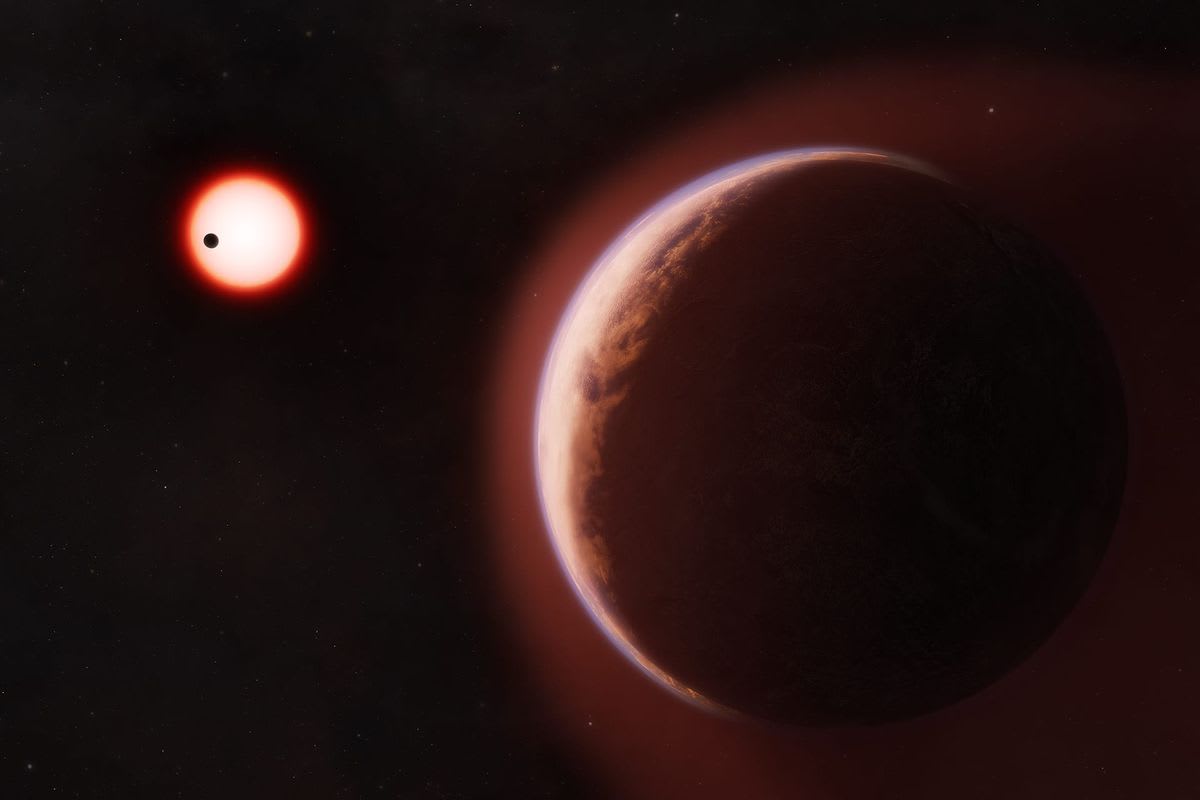
Scientists will use two clever detection methods. The first tracks planetary transits, those moments when a planet crosses in front of its star and causes a tiny dimming of light. The second uses microlensing, where gravity from foreground stars and their planets magnifies background starlight, creating temporary brightening.
This broader search area matters for understanding how planets form. "Roman will extend the search far enough to encompass other galactic habitats, which could help us learn how planet formation varies across different regions of the Milky Way," Quintana explained.
The data flood is coming, and researchers are ready. Robby Wilson, a postdoctoral fellow at NASA Goddard, shared that teams are already preparing with synthetic data and machine learning to filter results. They're creating simulated planets and training algorithms so they can hit the ground running when real discoveries start pouring in.
Why This Inspires
This mission represents more than numbers on a chart. Every new planet discovered expands our cosmic address book and brings us closer to answering humanity's oldest question: Are we alone?
The Roman telescope will reveal planets in environments we've never studied, from dense star clusters to sparse galactic outskirts. Some may orbit stars rich in heavy elements, which tend to host more planets, especially giant ones. Others might be rocky worlds similar to Earth, orbiting in the habitable zone where liquid water could exist.
Each discovery teaches us something new about how planetary systems form, evolve, and perhaps support life. The mission turns our galaxy from a mysterious expanse into a detailed map of possibilities, showing us that worlds beyond our imagination are waiting to be found.
The search for our cosmic neighbors has never looked more promising.
More Images



Based on reporting by Google: NASA discovery
This story was written by BrightWire based on verified news reports.
Spread the positivity!
Share this good news with someone who needs it