NASA Names 4 Astronauts for 2027 Artemis III Moon Mission
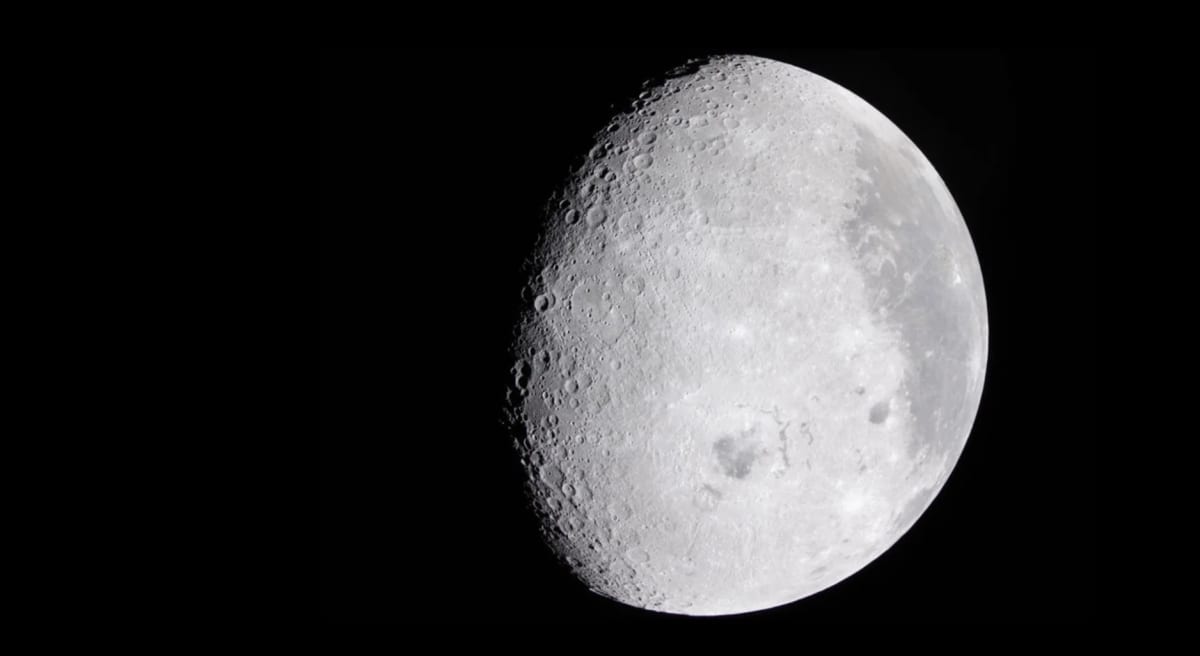
NASA announced the crew for Artemis III, a critical 2027 mission that will test everything needed to return humans to the Moon's South Pole in 2028. The international team includes astronauts from the U.S. and Europe who will practice complex docking with lunar landers near Earth.
Four astronauts are preparing for one of the most ambitious space missions in decades, bringing humanity closer to walking on the Moon again.
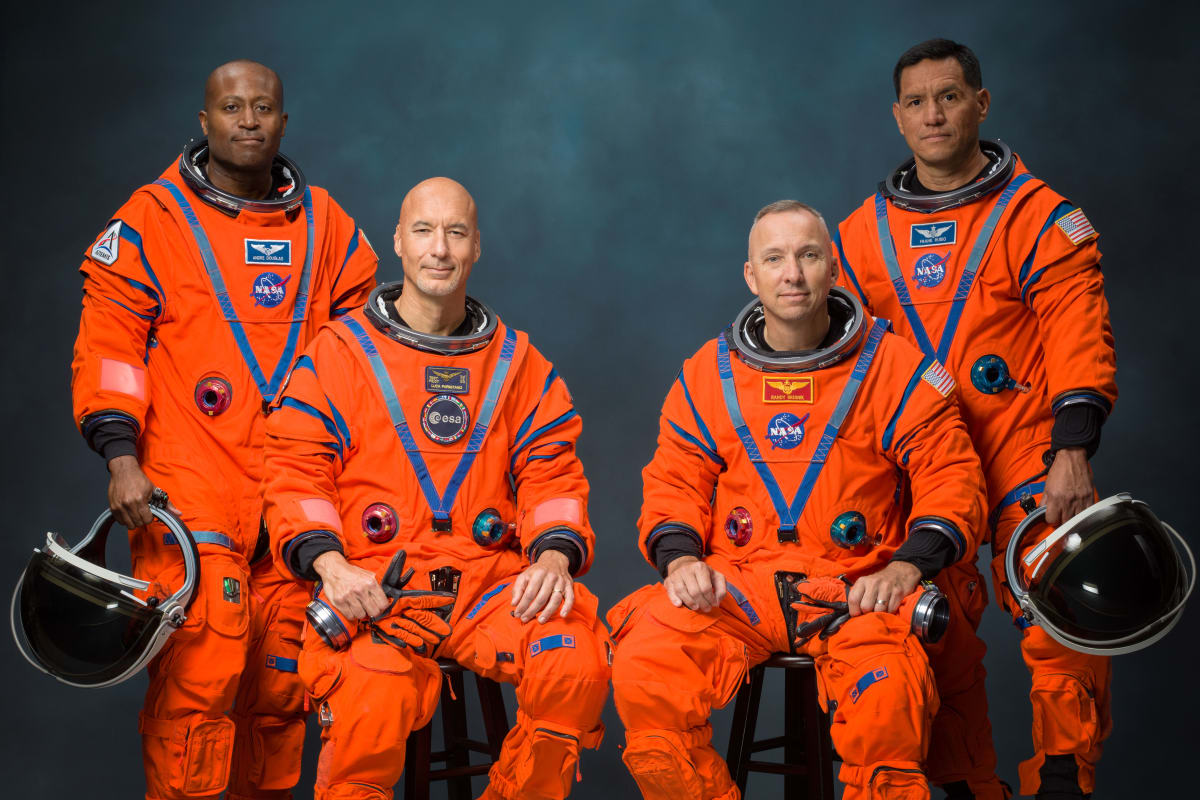
NASA revealed Tuesday that Randy Bresnik, Luca Parmitano, Andre Douglas, and Frank Rubio will crew Artemis III in 2027. This mission won't land on the Moon, but it will test every critical system needed for the historic Artemis IV landing at the lunar South Pole in 2028.
The crew will launch from Kennedy Space Center in Florida aboard NASA's powerful Space Launch System rocket. Once in Earth orbit, they'll perform something never attempted before: practicing rendezvous and docking procedures with test versions of lunar landers built by Blue Origin and SpaceX.
Think of it as the ultimate dress rehearsal. The astronauts will verify that Orion spacecraft systems work seamlessly with commercial landing vehicles, testing propulsion, communications, and all the connections that must work perfectly when lives depend on them near the Moon.
Parmitano makes history as the first European Space Agency astronaut assigned to an Artemis mission. His selection as pilot recognizes Europe's deep expertise in human spaceflight and honors the European Service Module that powers Orion.
Bob Hines was named as backup crew member. All five astronauts begin training immediately on Orion systems and will help develop the lunar lander test versions.
The Ripple Effect
This mission represents the most complex coordination of heavy-lift rocket launches in history. Multiple launches will send components into orbit, requiring perfect timing and teamwork across government agencies and private space companies.
Engineers are already connecting Orion's crew and service modules this summer and installing the docking system for its first flight. The heat shield has passed inspections, and technicians are integrating the rocket's core stage with four RS-25 engines.
NASA Administrator Jared Isaacman emphasized how Artemis III builds on the enthusiasm sparked by Artemis II. The mission demonstrates American innovation and international collaboration working together toward a shared goal.
Thousands of engineers, technicians, and specialists across NASA, ESA, and industry partners are making this possible. ESA Director General Josef Aschbacher called it "a powerful recognition" of Europe's role in returning humanity to the Moon.
The careful preparation reflects lessons learned from Apollo while incorporating 21st-century technology and global partnership. Every test, every docking practice, every system check in 2027 paves the way for astronauts to set foot in the lunar South Pole's unexplored terrain.
Humanity's return to the Moon is no longer a distant dream but a coordinated effort with names, faces, and a timeline.
More Images
Based on reporting by NASA
This story was written by BrightWire based on verified news reports.
Spread the positivity!
Share this good news with someone who needs it