NASA Plans $20B Moon Base and Nuclear Spacecraft by 2028
NASA just announced an ambitious plan to build a permanent moon base and launch humanity's first nuclear-powered interplanetary spacecraft, all within the next three years. The space agency is racing to return Americans to the lunar surface before competing nations stake their claim.
America is heading back to the moon in a big way, and this time we're planning to stay.
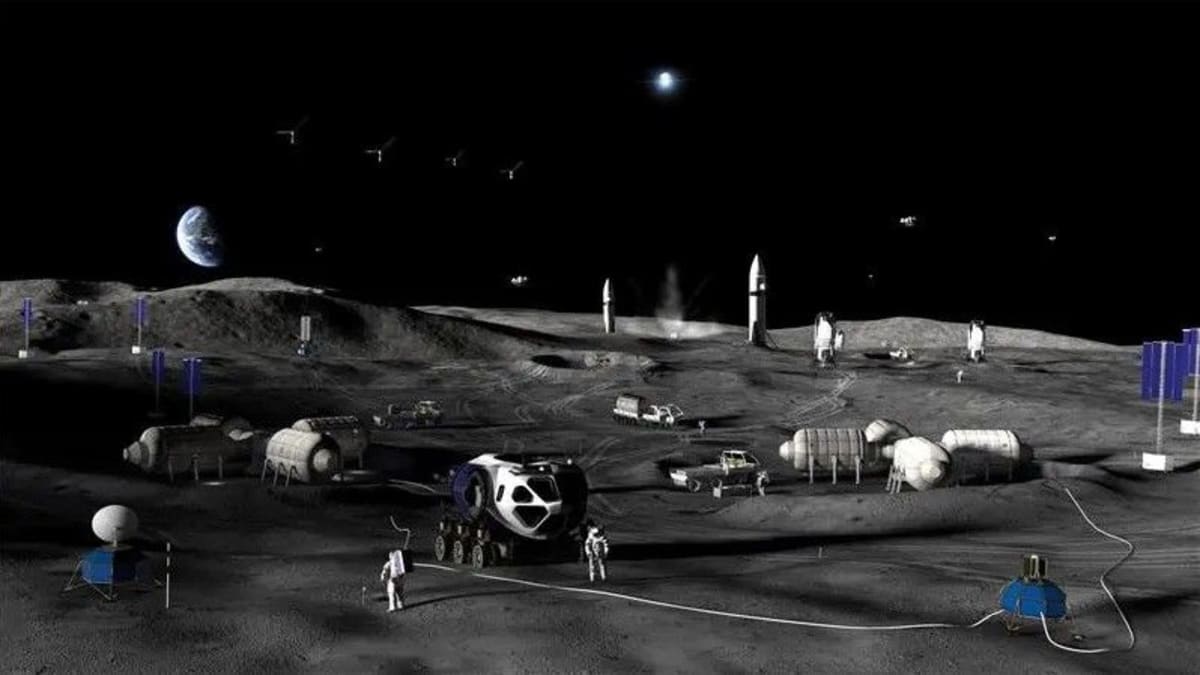
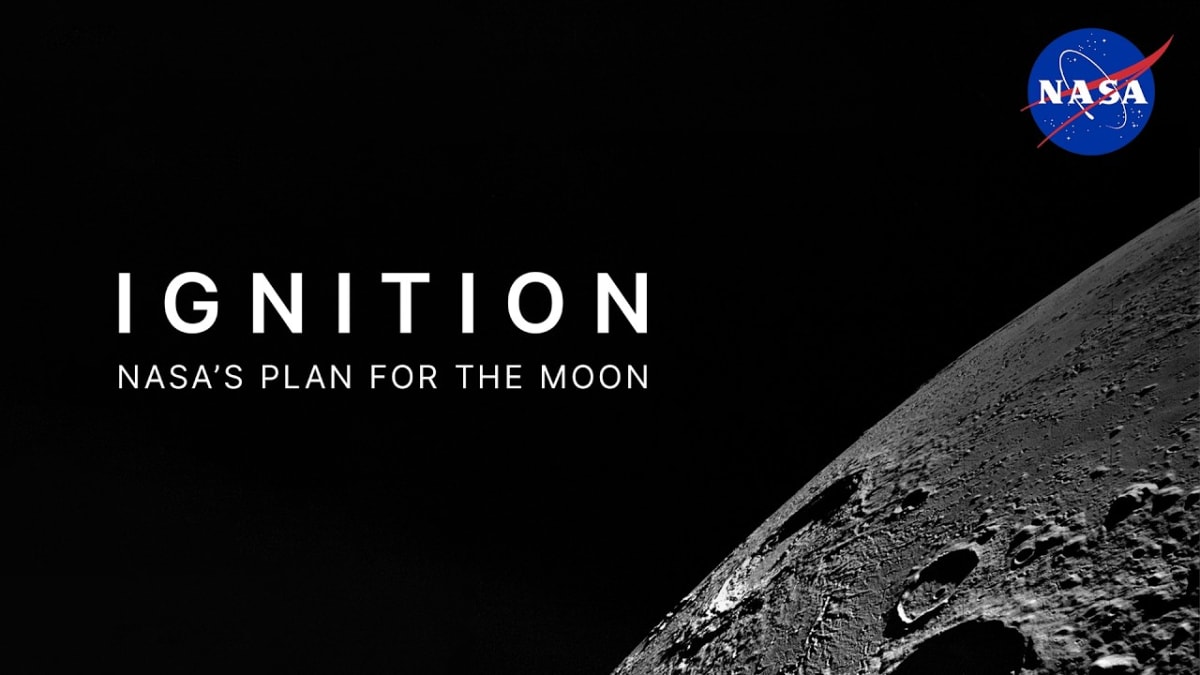
NASA Administrator Jared Isaacman unveiled plans this week for a $20 billion permanent lunar base, marking one of the most ambitious space exploration goals since the Apollo era. The announcement came during a daylong event called "Ignition," where the space agency laid out its vision for establishing an enduring human presence on the moon before the end of 2028.
The timeline is tight but thrilling. NASA plans two crewed lunar landing missions in 2028 alone, with Artemis IV and Artemis V both targeting the moon's south pole. These missions will lay the groundwork for the permanent base, which will be built in three phases: experimental design, semi-habitable infrastructure, and finally a fully operational lunar station.
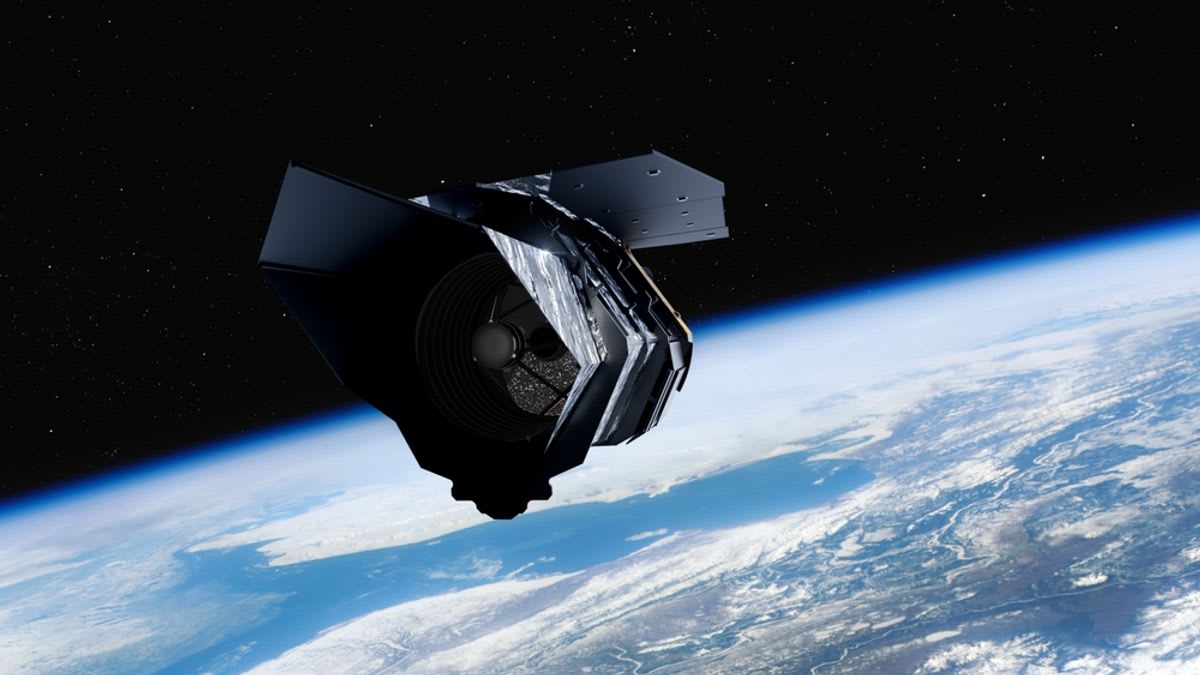
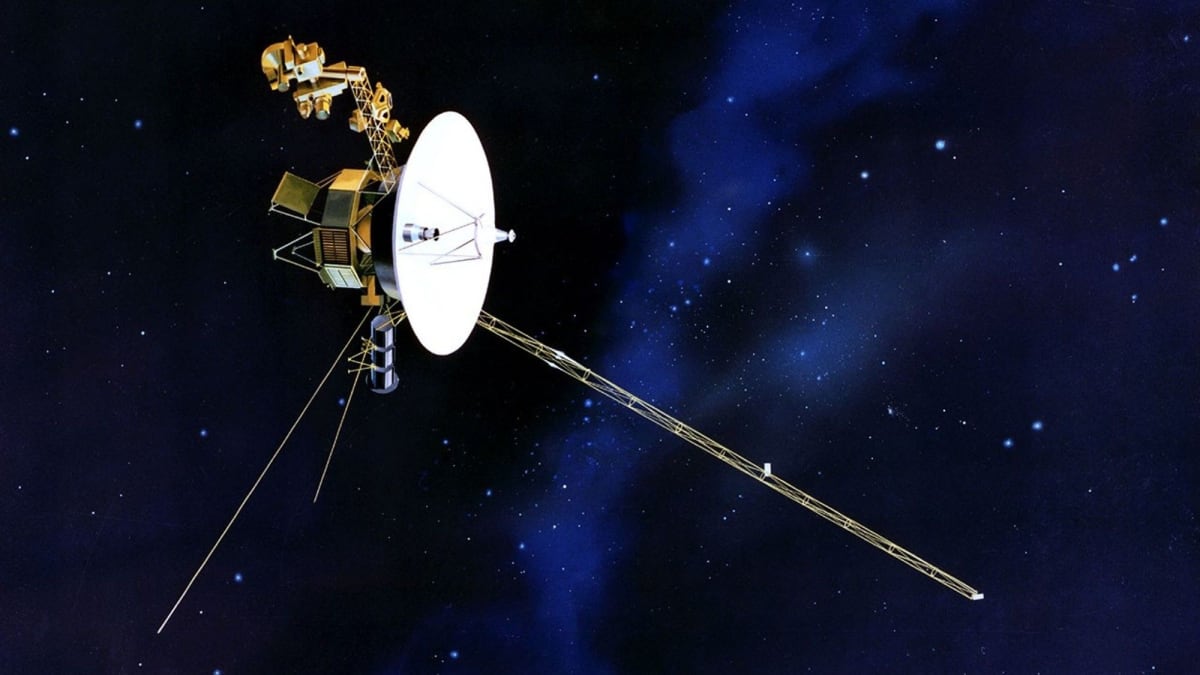
But the moon is just the beginning. NASA also announced plans for Space Reactor 1 Freedom, the world's first nuclear-powered interplanetary spacecraft designed for Mars missions. If successful, this technology could revolutionize deep space exploration by providing reliable power far beyond what solar panels can offer.
To make these goals happen, NASA is shifting resources from its planned Gateway space station to focus on lunar surface activities. The agency also plans to standardize rocket designs and increase launch frequency to every six months once the base is operational.
The Ripple Effect
This renewed commitment to space exploration extends far beyond national pride. A permanent moon base could serve as a proving ground for technologies needed for Mars missions and deep space travel. Scientists will have unprecedented opportunities to conduct research in lunar gravity, test life support systems, and learn how to use local resources like ice deposits to create fuel and drinking water.
The base could also become an international hub for scientific collaboration. While NASA is racing against China's own lunar ambitions, the moon has enough room for peaceful coexistence and shared discovery. Early infrastructure could support mining operations for rare minerals and helium-3, a potential future energy source.
The accelerated timeline comes with real challenges. Artemis has faced years of delays and cost overruns, and critics question whether these new deadlines are realistic. But NASA seems energized by the competition and focused on streamlining operations.
The first crewed lunar flyby mission, Artemis II, could launch as early as next week, finally getting the program back on track after years of postponements. That mission will test critical systems and pave the way for the surface landings to follow.
Isaacman emphasized the urgency of the moment, noting that success or failure would be "measured in months, not years." Both the United States and China are eyeing the same landing sites near the lunar south pole, where frozen water could support long-term habitation.
Beyond geopolitics, there's something deeply hopeful about humanity returning to the moon with plans to stay. A generation has grown up never seeing humans walk on another world, and that's about to change.
More Images


Based on reporting by Live Science
This story was written by BrightWire based on verified news reports.
Spread the positivity!
Share this good news with someone who needs it