NASA Plans $20B Moon Base, Nuclear Mars Mission by 2028
NASA is trading an orbiting space station for something bolder: a $20 billion base on the moon's surface and a nuclear-powered spacecraft headed to Mars. The sweeping changes signal America's most ambitious push into deep space since the Apollo missions ended in 1972.
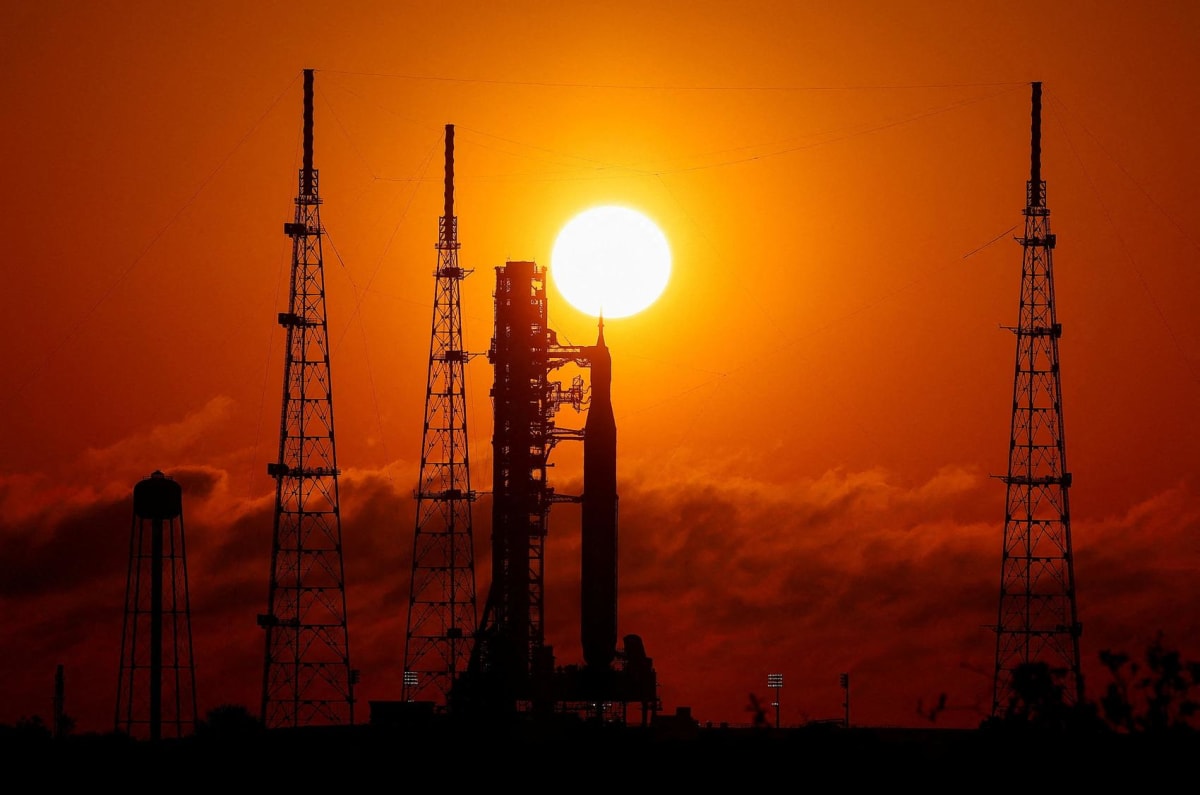
America is building a home on the moon. NASA announced this week it's canceling plans for a lunar orbiting station and repurposing those resources to construct a $20 billion base directly on the moon's surface, alongside plans to launch a nuclear-powered spacecraft to Mars before the end of 2028.
NASA chief Jared Isaacman unveiled the dramatic shift at the agency's Washington headquarters, describing a reimagined vision for the Artemis program that includes more robotic moon landers and nuclear power on the lunar surface. The changes accelerate America's timeline as competition heats up with China's planned 2030 moon landing.
The scrapped Lunar Gateway station, already largely built by contractors, was designed as a transfer point where astronauts would switch to lunar landers. Instead, NASA will repurpose existing equipment to support sustained operations directly on the moon itself.
The most exciting addition is Space Reactor 1 Freedom, a nuclear-powered spacecraft headed to Mars. Once it reaches the red planet, it will deploy helicopters to explore the Martian surface. NASA called this "a major step forward in bringing nuclear power and propulsion from the laboratory to space."
The timeline remains ambitious. NASA still plans to land astronauts on the moon's surface in 2028, with both SpaceX and Blue Origin racing to develop the lunar landers that will carry them there.
The Ripple Effect
This shift represents more than new hardware. It's a fundamental change in how humans will explore space, moving from brief visits to permanent presence.
The decision to build infrastructure for "sustained operations" means future astronauts won't just visit the moon. They'll live and work there, establishing humanity's first home beyond Earth.
International partners including Japan, Canada, and the European Space Agency are working with NASA to adapt their contributions to the new surface-based approach. European Space Agency chief Josef Aschbacher confirmed continued collaboration on the updated plans.
The Artemis program, launched in 2017, represents humanity's return to the moon after more than five decades. What's different this time is the intention to stay, building the foundation for even deeper space exploration.
Billions of dollars in contracts are being reshaped to match the new urgency, with companies scrambling to meet accelerated timelines. The race isn't just against the clock but against other nations pushing their own lunar ambitions.
From nuclear reactors powering lunar bases to helicopters flying on Mars, the next few years promise to redefine what's possible in space exploration.
More Images


Based on reporting by Japan Today
This story was written by BrightWire based on verified news reports.
Spread the positivity!
Share this good news with someone who needs it