NASA Plans Permanent Moon Base by 2032
NASA just announced its roadmap for building a permanent human settlement on the Moon, with the first uncrewed missions launching by year's end. After last month's historic Artemis II deep-space flight, humanity's return to the lunar surface is closer than ever.
Humans could be living and working on the Moon within six years, and NASA just revealed exactly how they'll make it happen.
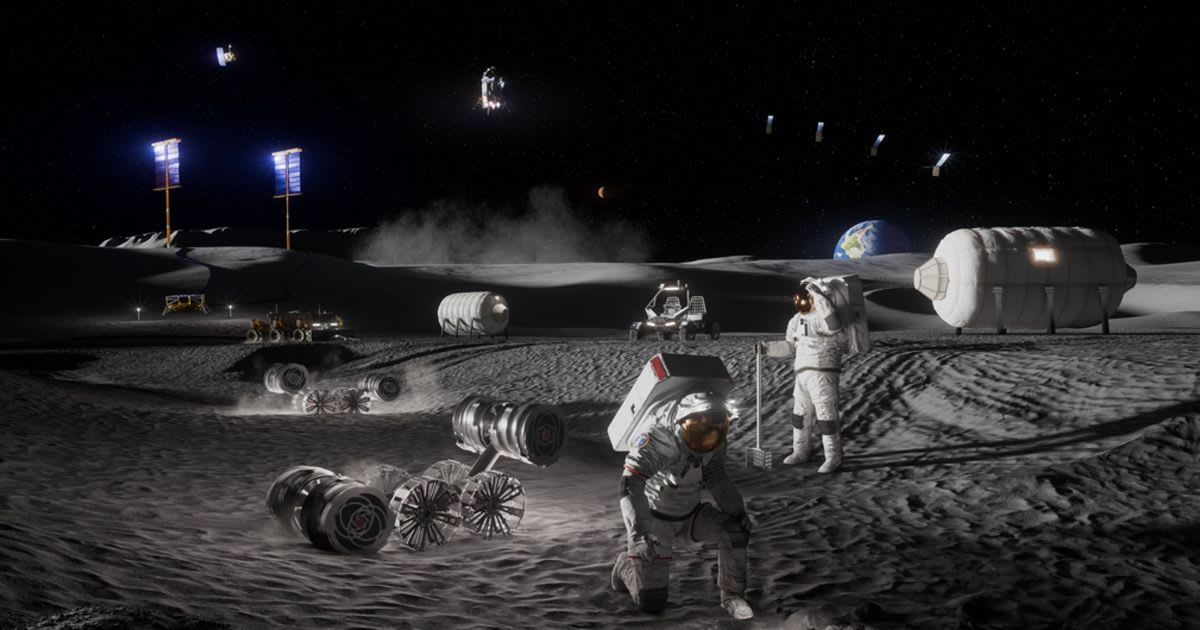
The space agency announced its Moon Base initiative this week, outlining an ambitious three-phase plan to establish a permanent human presence on the lunar surface. The announcement comes fresh off the success of April's Artemis II mission, which sent four astronauts deeper into space than anyone in human history.
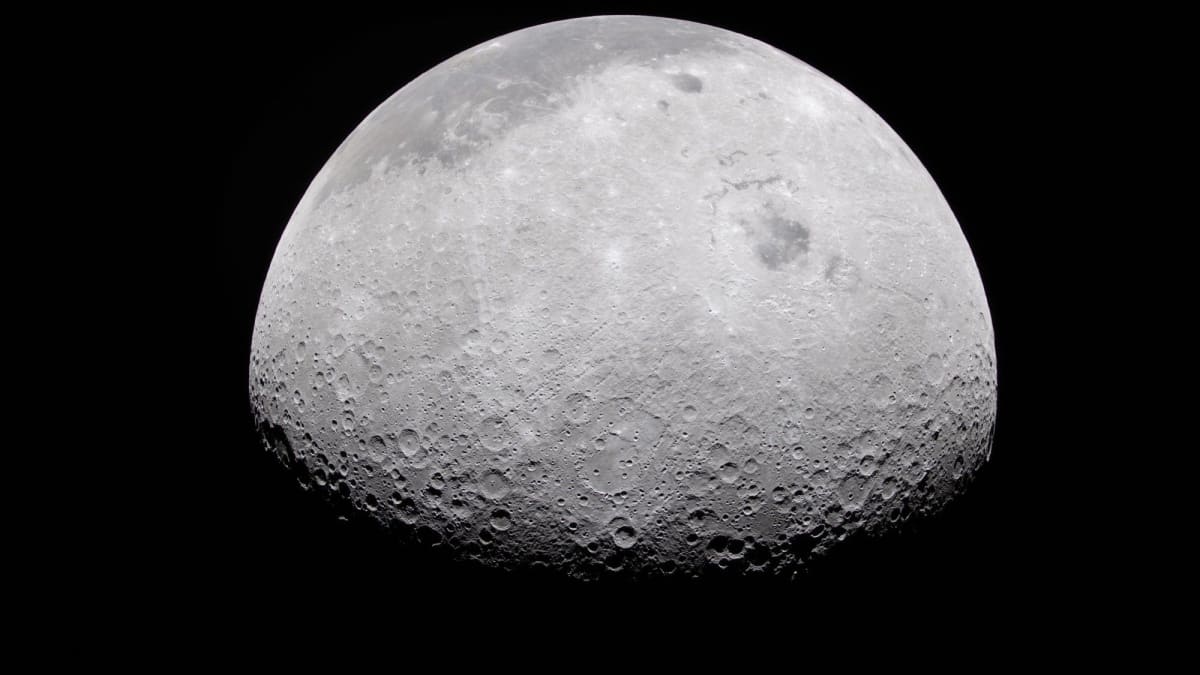
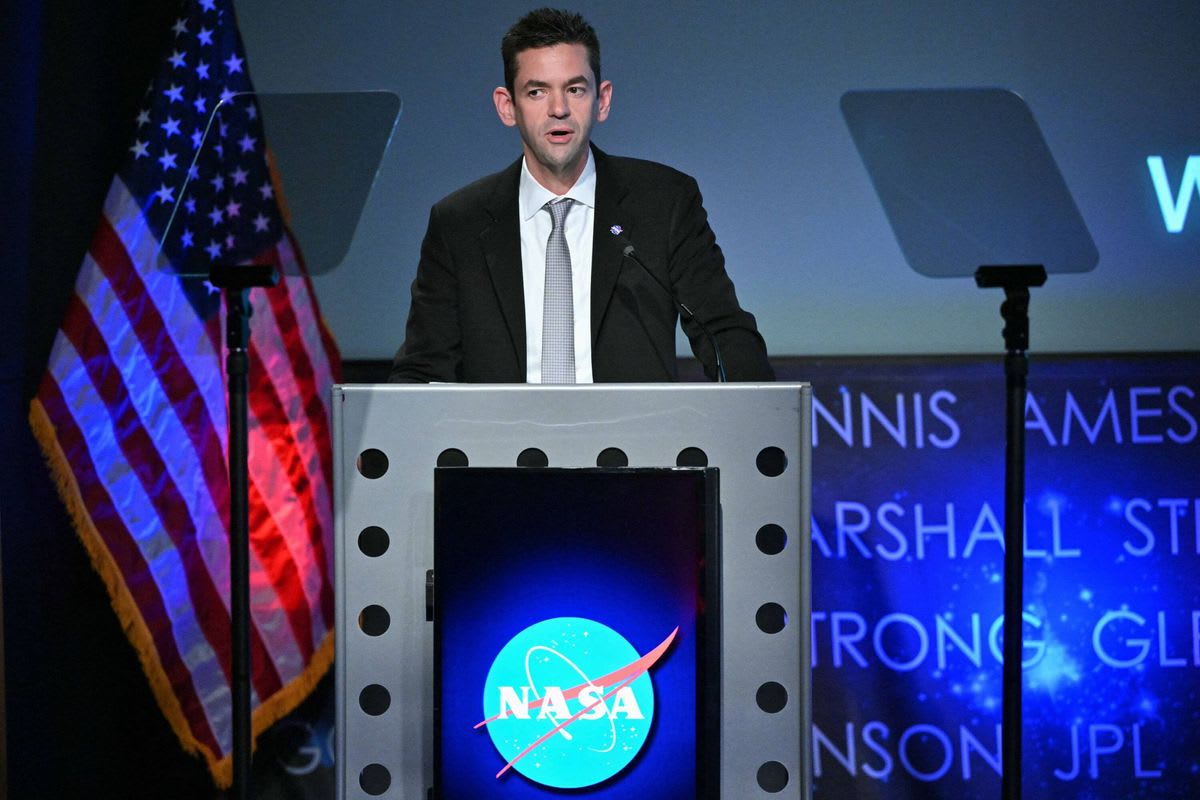
NASA Administrator Jared Isaacman acknowledged the massive challenge ahead. The Moon's surface heats to over 250 degrees Celsius in sunlight and plunges below minus 200 degrees in darkness, with no atmosphere to shield against radiation or meteorite impacts.
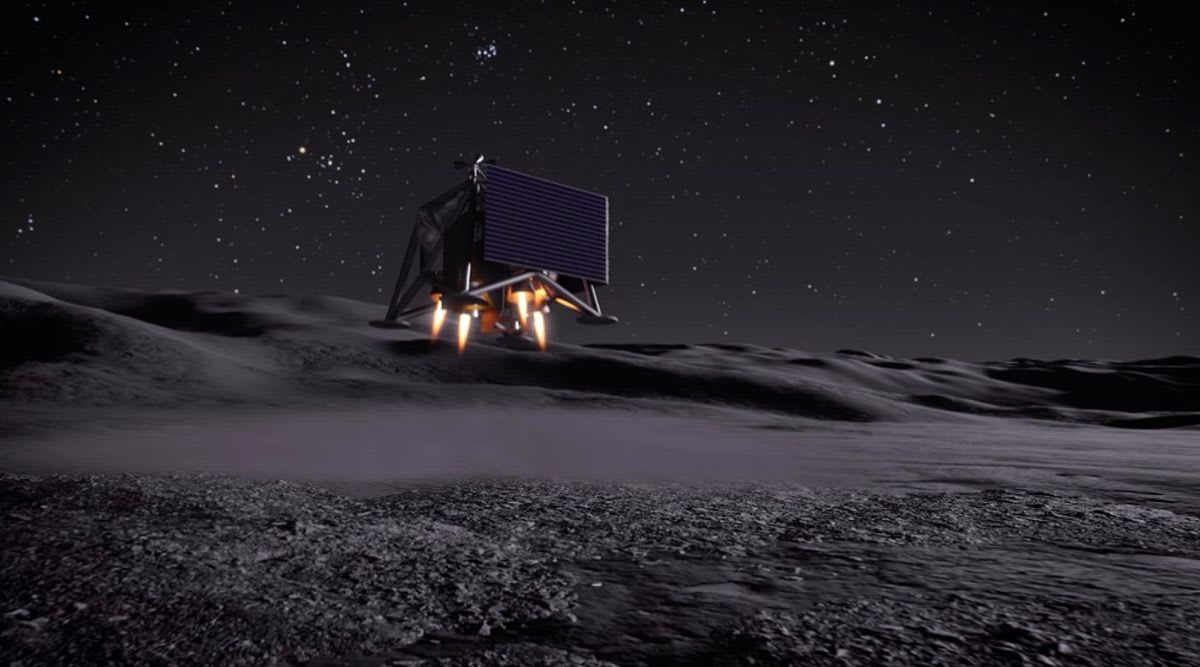
But that's not stopping the agency's bold timeline. Three uncrewed missions called Moon Base I, II, and III will launch by the end of 2026 to test technologies and scout the lunar South Pole region.
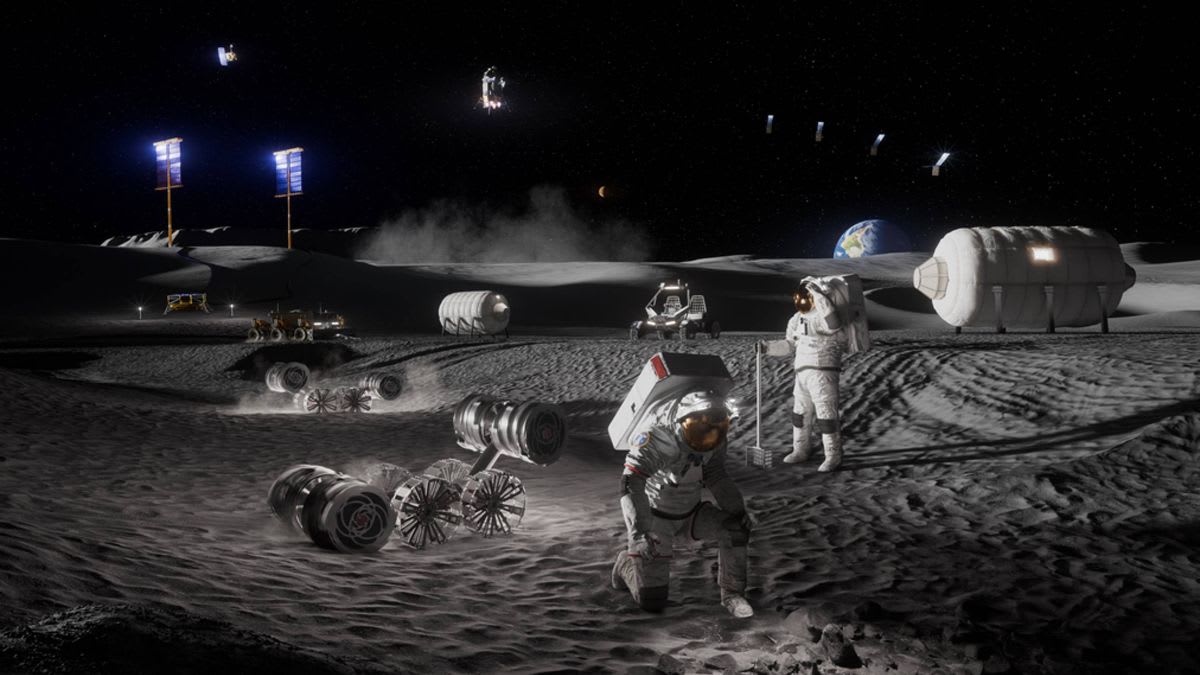
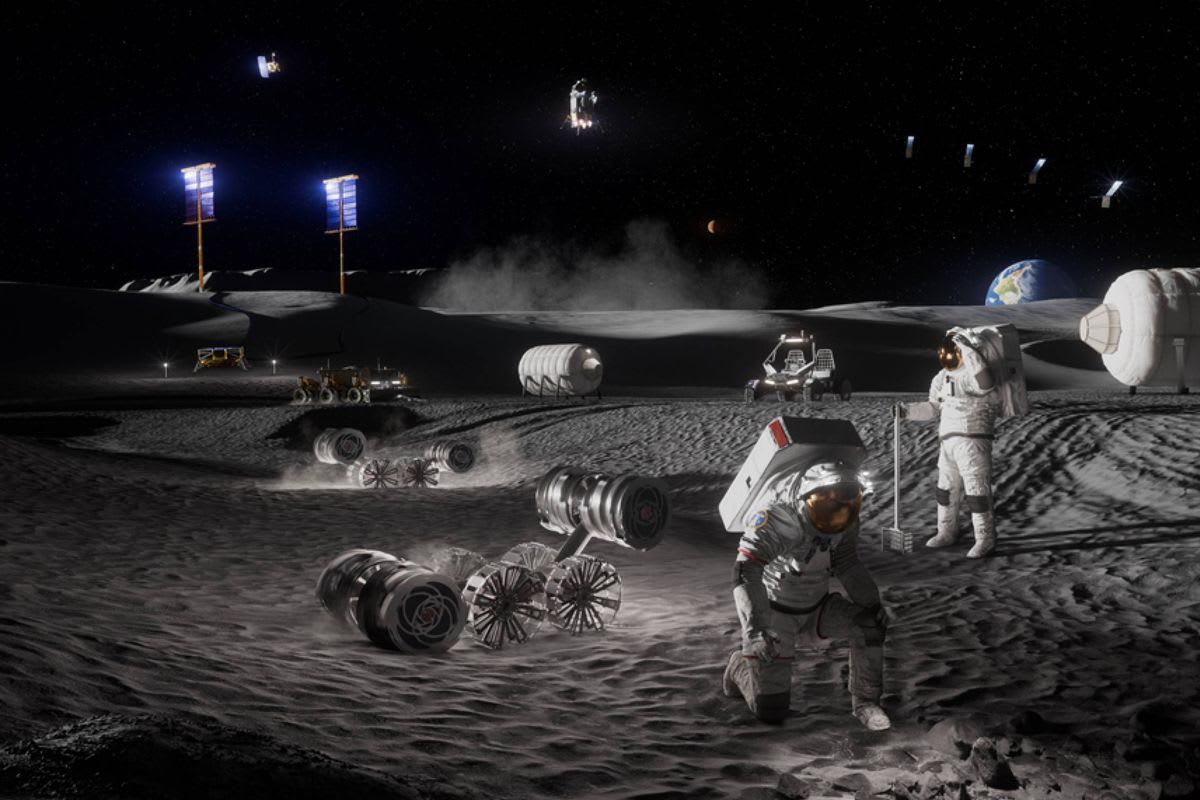
Phase one runs through 2029 with rapid robotic missions preparing for human operations. Phase two, from 2029 to 2032, focuses on building semi-permanent infrastructure and early habitation systems.
The real milestone comes in phase three, starting in 2032. That's when continuous human presence begins, with routine crew rotations and regular surface activity making lunar living an everyday reality.
NASA envisions a base covering hundreds of square miles. Blue Origin, the space company founded by Amazon's Jeff Bezos, will build key delivery landers to transport equipment and supplies to the surface.
Carlos García-Galán, Moon Base programme executive, noted that permanently shaded craters hold particular scientific interest. These areas haven't seen sunlight for millions or even billions of years, potentially holding clues about the solar system's history.
The Artemis II crew witnessed firsthand the hazards awaiting Moon Base builders. From orbit, they observed light flashes from meteorite impacts striking the unprotected surface, a constant reminder of the hostile environment.
The Ripple Effect
This isn't just about planting flags or breaking records. A permanent Moon base serves as a crucial stepping stone for future Mars missions and deep-space exploration. The technologies developed for surviving the Moon's extreme conditions will help humans eventually venture further into the solar system.
The lessons learned from "figuring out what works and what doesn't" on the Moon could also benefit life on Earth, from sustainable energy solutions to advanced materials that withstand extreme temperatures.
After more than 50 years since the last Apollo mission, humanity is finally going back to stay.
More Images
Based on reporting by Google: space mission success
This story was written by BrightWire based on verified news reports.
Spread the positivity!
Share this good news with someone who needs it