NASA Plans Permanent Moon Base by 2036
America is going back to the moon to stay. NASA just unveiled a $30 billion plan to build a permanent lunar base within the next decade, marking a new era of space exploration.
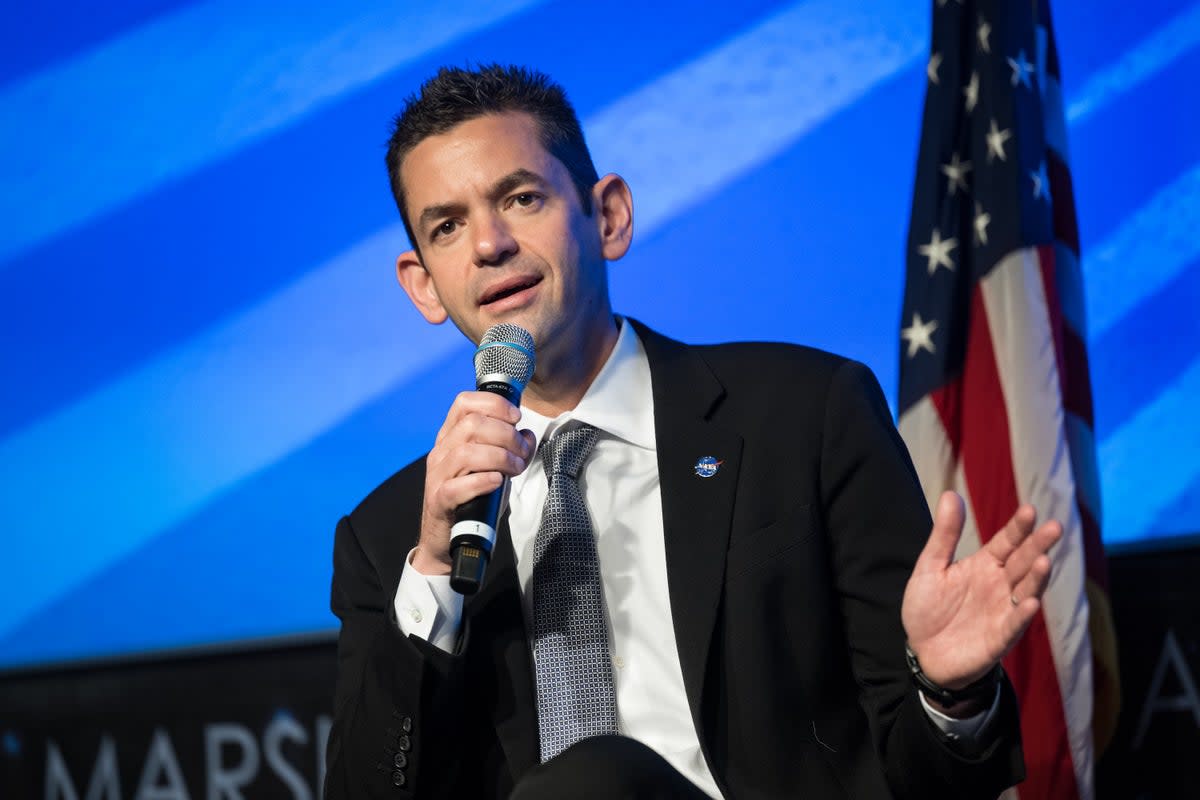
NASA Administrator Jared Isaacman stood before reporters Tuesday with news that would make every space-loving kid (and adult) jump for joy: America is building a permanent home on the moon by 2036.
The $30 billion plan marks a giant leap from the Apollo missions of the 1960s and 70s. Back then, astronauts visited briefly, planted flags, and came home. This time, NASA wants to stay.
The moon base will sit at the lunar south pole, where scientists believe ice and valuable materials hide in shadowed craters. NASA plans dozens of launches over the next decade, sending rovers, drones, power systems, communication equipment, and living modules to build humanity's first extraterrestrial outpost.
The timeline moves fast. Next week, four astronauts will circle the moon on Artemis II, testing the massive Space Launch System rocket and Orion capsule. By 2028, if all goes well, humans will walk on the moon again for the first time in over half a century.
From there, the base construction accelerates. The first phase alone calls for 24 launches to the moon by 2028. Crews will land every six months once the base becomes operational, exploring and expanding our lunar foothold.
The project requires some serious power solutions. Long shadow periods at the south pole sometimes last months, making solar panels useless. NASA plans to use radioactive isotope power sources and eventually a full nuclear reactor to keep the lights on.
The Ripple Effect
This isn't just about planting a flag farther from home. The moon base represents a stepping stone to Mars and deeper space exploration. Nuclear electric propulsion technology developed for the lunar outpost could power science missions throughout the solar system.
The project also signals America's commitment to maintaining its edge in space. China aims to land astronauts on the moon by 2030, possibly sooner. Isaacman acknowledged the tight race, estimating NASA might win by mere months rather than years.
Beyond geopolitics, the base could unlock discoveries about Earth's formation, test technologies for surviving on other worlds, and inspire a new generation of scientists and engineers. Carlos Garcia-Galan, NASA's Moon Base program official, says the biggest challenge is simply the number of launches required, but hitting those targets will prove America can deliver on its cosmic ambitions.
NASA is also embracing private partnerships, supporting commercial space stations while focusing lunar efforts on the base itself. The agency even canceled its long-planned Gateway orbital station to concentrate resources on the surface outpost.
"America will never again give up the moon," Isaacman declared, and for once, the timeline and funding suggest those aren't just words.
More Images



Based on reporting by Scientific American
This story was written by BrightWire based on verified news reports.
Spread the positivity!
Share this good news with someone who needs it