NASA Prepares New Astronauts for Future Moon Missions
As NASA's Artemis program prepares to return humans to the Moon, astronaut selection has evolved beyond physical fitness to prioritize teamwork and psychological resilience. The agency is training a new generation of space explorers who can thrive in extreme isolation while working together toward humanity's next giant leap.
Getting to the Moon isn't just about having the right physical abilities anymore. It's about being someone others want to spend months with in a tiny capsule millions of miles from home.
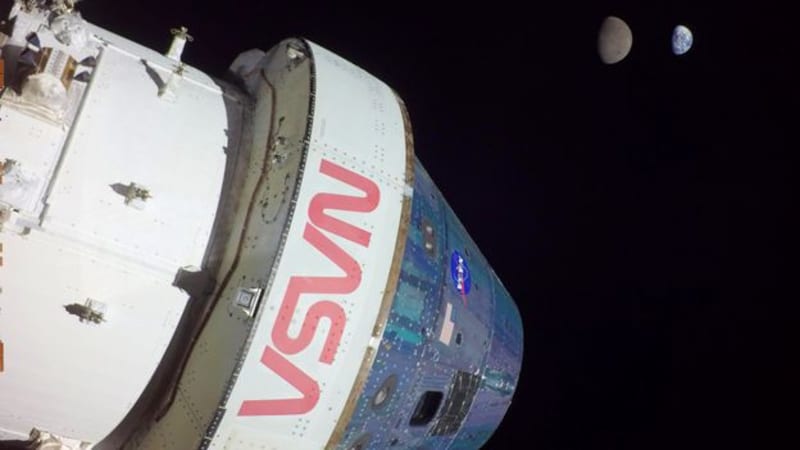
NASA astronaut Victor Glover will soon pilot Artemis II, taking humans farther from Earth than ever before. He knows the mission's success depends as much on crew chemistry as technical skill.
"Space is really challenging," Glover says. "There's no such thing as privacy." Even using the bathroom wakes everyone up because the machinery is so loud.
Future Artemis missions will establish a permanent base near the Moon's South Pole, where astronauts will live for months at a time. They'll face two-week-long nights, extreme temperatures, dangerous radiation levels, and complete isolation from Earth.
That's why NASA and the European Space Agency have completely reimagined what makes someone qualified for space. The "right stuff" today looks very different from the hyper-competitive test pilots of the 1950s.
"You're looking for someone good in all domains, and that is dramatically difficult to find," says Sergi Vaquer Araujo, who leads space medicine at ESA. Physical health still matters, but chronic conditions like asthma or heart irregularities can disqualify candidates since there's limited medical equipment in space.
But the real game-changer is teamwork. During ESA's recent astronaut selection, candidates were evaluated on whether they could put the team's success above their own.
"It got to the stage where, to succeed, you had to lose for the benefit of the team," Vaquer Araujo explains. Being able to work well with others is now the most important quality an astronaut can have.
British surgeon Nina Purvis recently tested her own "right stuff" at Antarctica's Concordia research station. She spent nine months in complete isolation with just 12 people, enduring temperatures of -80°C and months without sunlight.
"You have to be a pleasant person to work with, that's number one," Purvis says. The experience proved that surviving extreme environments requires emotional intelligence as much as technical expertise.
Why This Inspires
This shift in astronaut selection reflects a beautiful truth about human achievement. We don't need lone superheroes to reach the stars. We need people who lift each other up, who can stay calm under pressure, and who genuinely care about their teammates' wellbeing.
The next Moon landing won't just be a technical triumph. It will showcase humanity's ability to work together in the most challenging conditions imaginable.
More Images

Based on reporting by BBC Future
This story was written by BrightWire based on verified news reports.
Spread the positivity!
Share this good news with someone who needs it