NASA Returns to Moon After 53 Years with Artemis II Launch
For the first time in over half a century, astronauts are heading back to the moon. NASA's Artemis II mission launches Wednesday, opening a new chapter in human space exploration.
After 53 years of waiting, humanity is returning to the moon, and this time we're planning to stay.
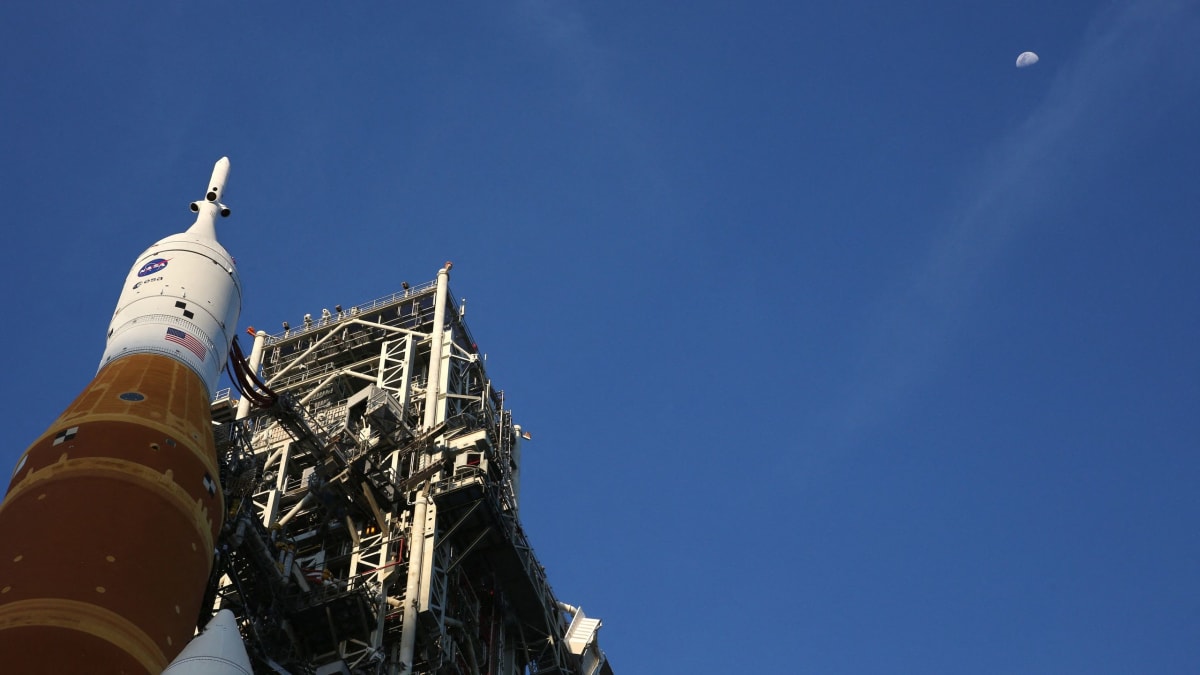
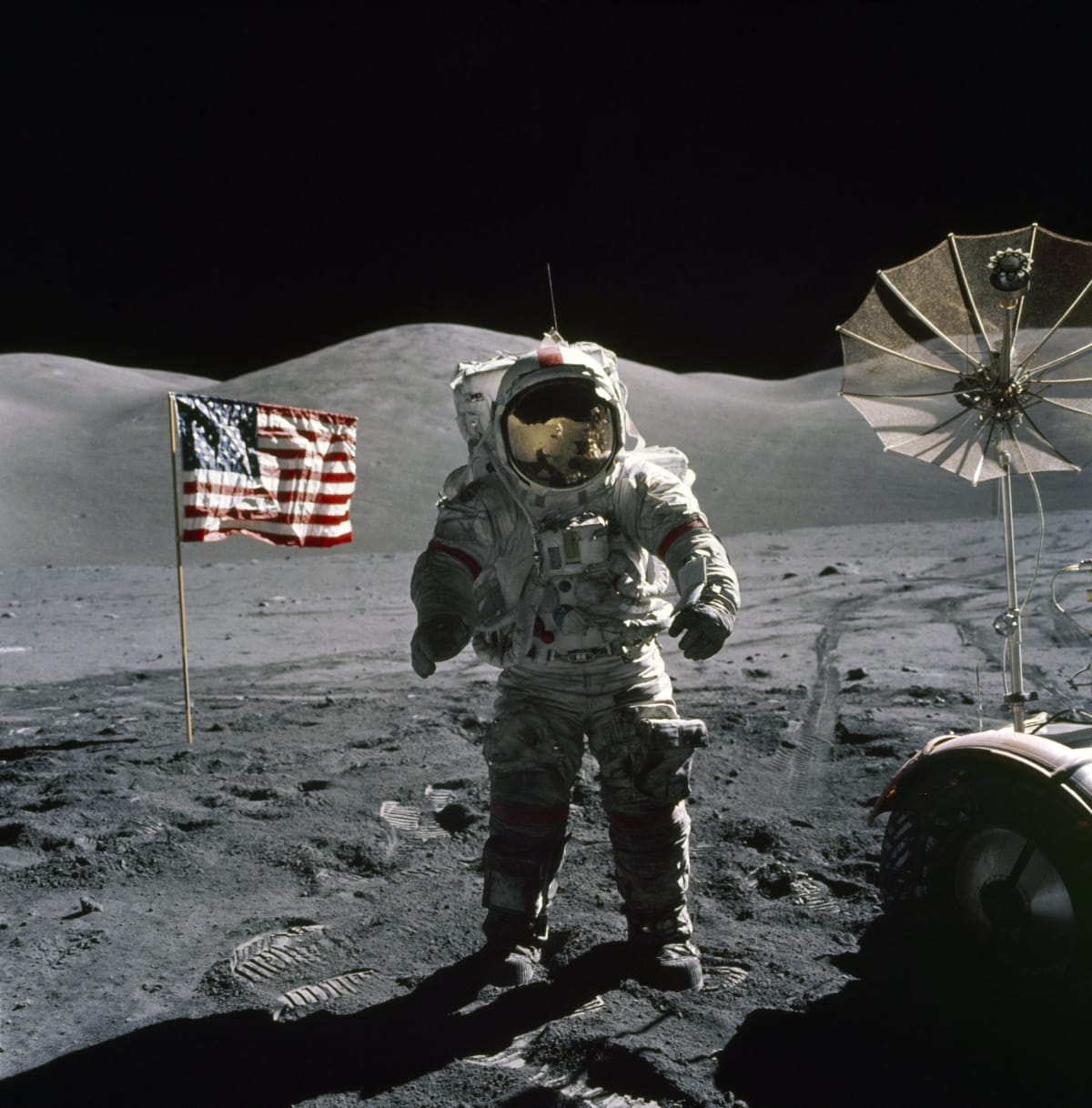
NASA's Artemis II mission is set to launch Wednesday evening at 6:24 p.m. ET, with an impressive 80% chance of favorable weather. Four astronauts will embark on a 10-day journey around the moon and back, making this the first crewed lunar mission since Gene Cernan left the last human bootprint on the moon's surface in December 1972.
The mission mirrors NASA's historic Apollo 8 flight from 1968, when three astronauts circled the moon to test flight systems before attempting a landing. While the Artemis II crew won't touch down on the lunar surface, they're paving the way for something much bigger.
This flight isn't about repeating past achievements. The astronauts aboard the Orion spacecraft are testing critical systems that will support NASA's ambitious plans for Artemis IV and V, scheduled to land on the moon in 2028.
NASA has a tight window to work with. If weather or technical issues prevent a Wednesday launch, the team can try again any day through Monday, April 9. After that, they'll have to wait until April 30, the mission's final possible launch date.
The Ripple Effect
This mission represents the first step toward establishing a permanent human presence on the moon. NASA envisions a lunar base where astronauts can live and work, conducting research that will prepare us for an even more ambitious goal: sending humans to Mars.
The technology being tested on Artemis II will shape how we explore space for decades to come. Every system check, every orbit around the moon, every bit of data collected brings us closer to becoming a multi-planetary species.
Space travel remains incredibly challenging even in 2026, but that's precisely why these missions matter. We're not just revisiting old accomplishments; we're building the foundation for humanity's future among the stars.
Wednesday's launch could mark the beginning of a new era where the moon isn't just a destination we visit, but a place we call home.
More Images

Based on reporting by Google News - Science
This story was written by BrightWire based on verified news reports.
Spread the positivity!
Share this good news with someone who needs it