NASA Robot Rescues Telescope From Fiery Earth Crash
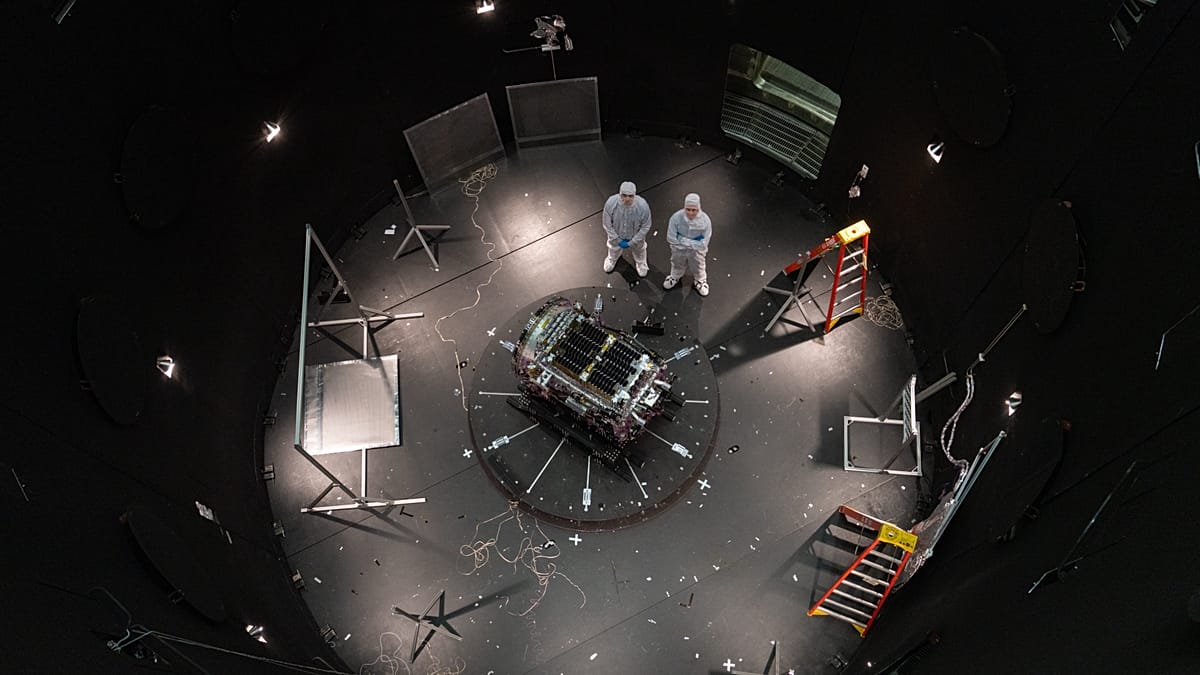
A three-armed robot just launched on a daring mission to save a 21-year-old space telescope from burning up in Earth's atmosphere. Built in just nine months, this $30 million rescue could keep Swift scanning the cosmos for years to come.
A rescue spacecraft blasted off from the Marshall Islands on Friday with one job: save a beloved NASA telescope from crashing back to Earth.
The three-armed robot named Link is racing to reach the Neil Gehrels Swift Observatory, a telescope that has been watching the universe's most explosive events since 2004. Swift has been falling faster than anyone expected, pulled down by Earth's expanding atmosphere heated by recent solar activity.
NASA had just months to act. Without intervention, Swift would burn up in the atmosphere by October, taking two decades of scientific capability with it.
Enter Katalyst Space Technologies, an aerospace startup that assembled this entire rescue mission in just nine months. The company is getting $30 million from NASA to catch Swift and boost it back to safety.
Link launched aboard a Northrop Grumman Pegasus XL rocket on its final ever flight. The rocket dropped from a modified aircraft high above the Pacific Ocean and ignited, carrying Link toward its target about 360 kilometers above Earth.
The mission requires precision and patience. Link will gently push Swift up by 240 kilometers using careful thruster burns to avoid damaging the aging spacecraft. If everything goes according to plan, Swift could resume its search for gamma-ray bursts and exploding stars by September.
Why This Inspires
This mission shows what happens when urgency meets innovation. A startup built a custom robot in less than a year to save scientific equipment worth far more than its price tag.
Swift has helped scientists understand some of the most violent cosmic events for over two decades. Rather than letting that capability burn up, NASA trusted a young company to try something that had never been done before.
The rescue also hints at a new future for space operations. As more satellites face similar fates from solar activity, missions like this prove we don't have to choose between losing valuable equipment and accepting the risk. We can build solutions fast enough to matter.
Even NASA's famous Hubble Space Telescope may need a similar rescue in coming years. Link's success could write the playbook for saving it.
Bad weather and technical delays tested the team's resolve before Friday's launch. "The biggest danger was always we don't launch anything and we let Swift burn up in the atmosphere," said Katalyst CEO Ghonhee Lee. "Our team has done that."
Swift's observations are paused for now to slow its fall, but soon it could be back watching the universe's fireworks from a safe perch above Earth.
More Images


Based on reporting by Euronews
This story was written by BrightWire based on verified news reports.
Spread the positivity!
Share this good news with someone who needs it