New 4D Printing Makes Wind Turbine Blades 80% Lighter
Engineers have developed revolutionary 4D-printing technology that creates wind turbine blades 80% lighter than traditional designs using flat panels. This breakthrough could make clean energy cheaper and easier to transport worldwide.
Wind turbines just got a massive upgrade that could change how we power the planet.
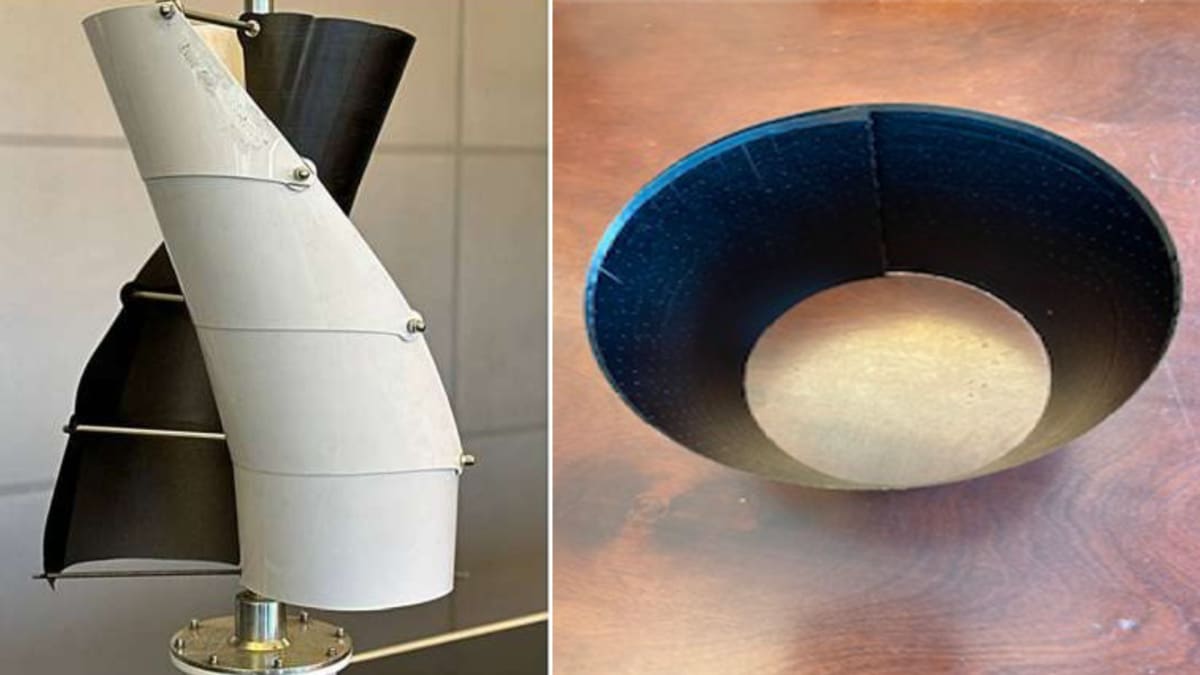
Engineers have created a new 4D-printing technique that produces wind turbine blades 80% lighter than conventional designs. The innovative process starts with flat panels that transform into full blade shapes, making manufacturing and transportation dramatically simpler.
Traditional wind turbine blades are massive structures that require specialized equipment to build and enormous trucks to transport. A single blade can stretch over 100 feet long and weigh tens of thousands of pounds. Moving them to wind farms often means blocking highways and navigating tight turns with expensive escorts.
The new flat-panel approach solves these headaches. Manufacturers can print the panels, ship them flat like furniture, and assemble them on site. The weight reduction means lower shipping costs and smaller carbon footprints during production.
The 4D-printing technology adds a fourth dimension (time) to traditional 3D printing. Materials are programmed to change shape when exposed to specific conditions like heat or moisture. This allows the flat panels to transform into aerodynamic blade shapes without heavy machinery or complex assembly.
Lighter blades also mean less stress on turbine structures. Wind farms could potentially use smaller, less expensive towers and foundations. Maintenance becomes easier when components weigh a fraction of current designs.
The Ripple Effect
This innovation arrives as countries worldwide race to expand renewable energy. Lighter, easier-to-transport turbine blades could bring wind power to remote areas previously too difficult or expensive to reach. Island communities and developing nations could access clean energy without building specialized infrastructure.
The technology could accelerate wind farm construction timelines. Faster deployment means cleaner energy replacing fossil fuels sooner, directly impacting climate goals.
Manufacturing costs should drop as well. Simpler production methods and reduced material use make wind energy more competitive with traditional power sources. As prices fall, more communities can afford to make the switch.
Tomorrow's wind farms might look very different thanks to today's printing innovations.
Based on reporting by Google News - Wind Energy
This story was written by BrightWire based on verified news reports.
Spread the positivity!
Share this good news with someone who needs it